



Beyond the Four Walls
For generations, the image of a classroom has been fixed: four walls, a blackboard, and rows of desks. But as concerns grow over excessive screen time and the pressures of rote learning, parents and educators across India are looking for an alternative.
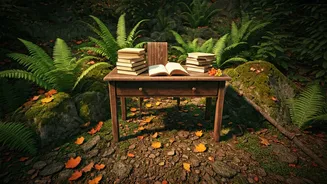
They’re finding it in the oldest classroom of all—the great outdoors. The concept, often called nature-based learning or 'forest schools', is simple yet profound. It involves taking children out of the traditional school environment and into natural settings like parks, forests, and even beaches, where the curriculum is guided by curiosity and the teaching tools are sticks, stones, and streams. This isn't just about unstructured play; it's a pedagogical shift that leverages the natural world to teach complex concepts in a tangible, memorable way.
A Boost for Young Brains
The benefits of this approach go far beyond a simple breath of fresh air. Research increasingly shows that learning in nature has significant cognitive advantages. When a child balances on a log, they aren't just playing; they're developing their proprioception and problem-solving skills. When they observe an ant trail, they're engaging in scientific observation and pattern recognition. Unlike the predictable environment of a classroom, nature is dynamic and multi-sensory. This complexity stimulates a child’s brain, fostering creativity and flexible thinking. Studies have shown that children who spend regular time learning outdoors often demonstrate improved concentration, better memory recall, and enhanced critical thinking abilities when they return to a traditional classroom setting. The unstructured challenges of nature teach them to think on their feet in a way a worksheet never could.
Building Resilience and Empathy
Perhaps the most crucial lessons nature teaches are social and emotional. In an outdoor classroom, there are no prescribed right or wrong answers. Children learn to collaborate to build a den, negotiate who gets to use a particular climbing tree, and take calculated risks under gentle supervision. Scraping a knee while climbing or feeling the rain on your face isn't a failure; it’s a learning experience that builds resilience. This environment allows children to develop a robust sense of self-confidence and independence. Furthermore, interacting with living things—from tiny insects to towering trees—fosters a deep sense of empathy and connection to the world. They learn that they are part of a larger ecosystem, a lesson in interdependence that is vital for developing responsible and compassionate individuals.
The Indian Context: A Natural Fit
While the 'forest school' movement has its roots in Scandinavia, the idea of learning from nature is deeply ingrained in Indian culture and philosophy. From the gurukuls of ancient India set in serene ashrams to Rabindranath Tagore’s vision for Santiniketan, education has often been intertwined with the natural world. Today, this philosophy is seeing a modern resurgence. Cities like Bengaluru, Mumbai, and Hyderabad are now home to a growing number of nature-based learning centres and weekend workshops. These programmes are adapting the global model to the local ecology, teaching children about native plants, local biodiversity, and the rhythms of the Indian seasons. For urban children who might otherwise only experience nature through a screen, these initiatives provide an invaluable connection to their environment and heritage.
An Antidote to Modern Pressures
Ultimately, the rise of the nature classroom is a response to the specific anxieties of modern childhood. In a world of hyper-scheduling, academic pressure, and digital immersion, the outdoors offers a space for calm, reflection, and authentic discovery. It allows children to be children—to run, to shout, to get dirty, and to learn through doing. It’s not about abandoning traditional education but enriching it. By integrating the lessons of the natural world, we equip our children not just with knowledge, but with the curiosity, resilience, and creativity they will need to thrive in an unpredictable future. Nature provides the context, and a child’s innate curiosity does the rest.