





Getting Around: Smart Transport Choices
Transportation can be a major expense, but with smart planning, it’s easily managed. In Muscat and between major cities, the Mwasalat public bus system is your most budget-friendly ally. These modern, air-conditioned buses connect key areas, including
the airport, Ruwi, and popular sights. A trip from Muscat International Airport to the city of Ruwi costs about 1 Omani Rial (OMR). For travel between cities like Muscat and Nizwa, intercity buses are significantly cheaper than taxis, costing around 1.5 OMR for the journey. The bus network is ideal for reaching major hubs, from which you can explore further. For more flexibility within cities, local ride-sharing apps like Otaxi are prevalent and offer a more affordable alternative to airport or street-hailed taxis. If travelling in a group, renting a small car and splitting the cost can also be an economical way to explore attractions at your own pace, especially those outside the main bus routes.
Feasting Like a Local on a Budget
Oman offers a culinary journey that is both delicious and affordable, especially for those with a taste for Indian and Middle Eastern flavours. To keep food costs low, avoid hotel restaurants and tourist-centric eateries. Instead, seek out the countless small cafeterias and coffee shops frequented by locals. These spots serve up hearty and inexpensive meals like shawarma, falafel sandwiches, and fresh juices for under 2 OMR. For a more substantial meal, the city of Muscat, particularly the Ruwi area, is filled with South Asian restaurants where you can get a generous plate of biryani or a full curry meal for as little as 1 to 2.5 OMR. Don't miss out on trying local Omani specialties like 'shuwa' (slow-cooked lamb) or 'majboos' (spiced rice with meat), which can be found in traditional restaurants at reasonable prices. Another excellent tip is to visit a Lulu Hypermarket, a familiar name for many Indians, to stock up on water, snacks, and fruits, which will be much cheaper than buying them at tourist sites.
Exploring Heritage Without Breaking the Bank
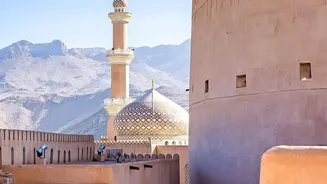
Oman's heritage is one of its biggest draws, and many of its most stunning sights are either free or very affordable to visit. In Muscat, the magnificent Sultan Qaboos Grand Mosque is a must-see and has no entry fee. A walk along the Muttrah Corniche and through the bustling lanes of the Muttrah Souq also costs nothing and offers an authentic Omani experience. While some of the major forts do have entrance fees, they are generally modest. For instance, the UNESCO-listed Bahla Fort has an entrance fee of around 2 USD, while the iconic Nizwa Fort's fee is approximately 13 USD. To maximize your budget, plan your itinerary to group sights together. For example, when visiting Nizwa, you can also explore the nearby Bahla Fort and Jabrin Castle in a single day trip, saving on multiple transport fares. The true beauty of Oman's landscape, from the stunning wadis to the dramatic mountains, can often be enjoyed for free.
Essential Tips for Indian Travellers
A few extra tips can make your Omani adventure even smoother. First, securing your visa is straightforward. Indian passport holders can typically apply for an e-Visa online before departure. In some cases, a visa on arrival is available, especially if you hold a valid visa from the US, UK, Schengen countries, and others. Always check the latest regulations on the official Royal Oman Police e-Visa portal. Upon arrival, getting a local SIM card from providers like Omantel or Ooredoo is a good investment for accessing maps and ride-sharing apps. While cards are widely accepted in larger establishments, carrying some cash in Omani Rials is essential for smaller eateries, souq purchases, and bus fares. By combining these strategies, Indian travellers can easily experience the rich culture and breathtaking scenery of Oman on a comfortable budget.