







Beyond a Basic Forecast
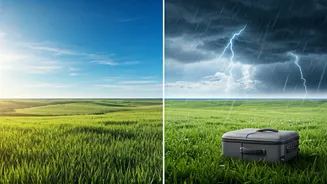
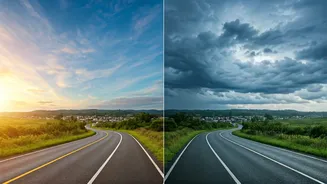
Gone are the days when a weather forecast was just a simple prediction of 'sunny' or 'cloudy'. Today’s weather technology provides a wealth of detailed information that can transform how you plan your trips. Instead of just knowing the temperature, you can now access
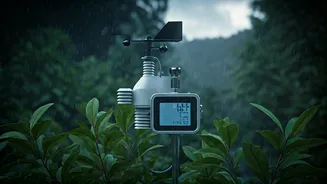
hyperlocal, minute-by-minute precipitation forecasts, wind speed and direction, air quality indexes, and humidity levels. Advanced alerts can warn you about specific phenomena like impending thunderstorms, dense fog, or flash floods, often hours or even days in advance. This level of detail allows for dynamic planning, helping you decide whether to proceed with that long trek, visit the beach, or schedule an indoor activity instead. It’s about moving from reactive disappointment to proactive, informed decision-making.
Your Go-To Weather Toolkit
For the most reliable information in India, the official India Meteorological Department (IMD) is your best first stop. The government has developed a suite of apps for different needs. The 'Mausam' app is the primary tool for general forecasts, cyclone warnings, and radar imagery. For more specific alerts, the 'Damini' app provides warnings for lightning strikes, while 'Meghdoot' offers weather information tailored for farmers that can also be useful for rural travel.
Beyond official sources, several international apps are known for their accuracy in India. AccuWeather is popular for its 'MinuteCast' feature, which gives minute-by-minute rain predictions. Apps like Windy and WeatherBug are favoured by those who want more detailed data, offering advanced maps for wind, rain, and storms, which are invaluable for trekkers, cyclists, and coastal travellers.
Planning for India's Diverse Terrains
India’s varied geography presents unique weather challenges, but modern alerts can help you prepare for them. Planning a Himalayan trek? Use an app that shows wind speed and snowfall predictions at high altitudes. Headed to a coastal destination like Goa or Kerala during the monsoon? Monitor IMD alerts for heavy rainfall warnings and potential flooding in low-lying areas. Driving through North India in winter? Stay updated on fog alerts, as dense fog frequently disrupts road and air travel. Even planning for a city break requires attention to weather, with alerts for heatwaves in the plains or thunderstorm warnings helping you pack appropriately and plan your daily activities for comfort and safety.
Reading Between the Lines
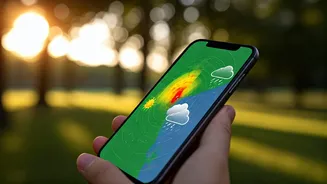
Getting the most out of weather apps means understanding what the data truly means. A '40% chance of rain' doesn’t mean it will rain for 40% of the day; it means there's a 4 in 10 chance that rain will occur at any point in your specific forecast area. Always check the hourly forecast to see when the probability is highest. Look at the precipitation map, a common feature in many apps. This dynamic map shows the movement and intensity of rain clouds, which can help you see if a storm is approaching or moving away from your location. This is far more useful than a static percentage. Also, pay attention to 'feels like' temperatures, which factor in humidity and wind chill to give you a better sense of how hot or cold it will actually feel outdoors.
Safety is the New Convenience
While weather alerts are great for avoiding a ruined picnic, their most important function is ensuring safety. The IMD regularly issues alerts for severe weather events like cyclones, flash floods, and extreme heat. These warnings are not just suggestions; they are critical advisories based on scientific data, designed to protect lives and property. When travelling, especially in remote or ecologically sensitive areas, always heed these warnings. If a 'red alert' for heavy rainfall is issued for a hilly region, it’s a signal to postpone travel to avoid landslides. Similarly, a heatwave alert is a prompt to stay hydrated and avoid strenuous outdoor activity during peak afternoon hours. By treating these alerts as essential safety tools, you ensure your travels are memorable for the right reasons.