








The New Price on Your Cappuccino
If you've noticed the price of your favourite beverage creeping up, you're not wrong. Several eateries and cafe chains have started adjusting their prices. This isn't a coordinated move by one or two big names but rather an industry-wide response to mounting
costs. Earlier this year, popular restaurants began hiking food prices by 5% to 10% to cope with rising operational expenses. For instance, even a simple cup of tea at some mid-level eateries saw a price increase. While major chains like Starbucks and their domestic rivals like Blue Tokai and Third Wave Coffee haven't announced a specific uniform July hike, the underlying pressures suggest prices will continue to trend upwards across the board. These brands are already engaged in a delicate pricing battle, with a small cappuccino at Starbucks costing around ₹290-300, while local specialty chains price it between ₹230 and ₹265.
The Global Coffee Bean Crunch
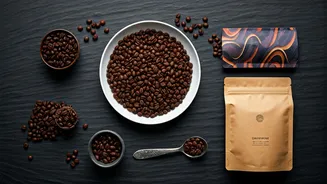
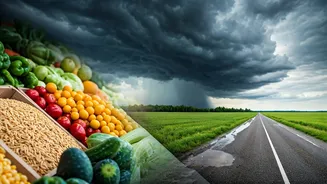
A major reason for the price pressure is the soaring cost of coffee beans on the global market. As of early July 2026, both Arabica and Robusta coffee futures surged to multi-month highs. Arabica, the bean favoured for its nuanced flavours in specialty cafes, saw its price jump by over 4.5% on July 1st alone. This rally is fuelled by several factors, including fears of supply scarcity and challenging weather conditions in key growing regions. Heavy rains in Brazil, the world's largest coffee producer, are delaying the harvest and raising concerns about crop quality. Simultaneously, inventories of high-quality Arabica beans at the ICE exchange have fallen to their lowest levels in over two years, creating a classic supply-and-demand squeeze that inevitably trickles down to your local cafe.
It’s Also About the Milk
For a country that loves its milky cappuccinos, lattes, and chai, another key factor is the rising cost of milk. In May 2026, major dairy producers like Amul and Mother Dairy increased milk prices by ₹2 per litre, citing higher costs for cattle feed, fuel, packaging, and transportation. Analysts predicted this hike alone could push retail inflation up significantly. This is not a one-off event; the dairy industry has been grappling with surging input costs throughout the year, with projections suggesting prices could rise by a total of ₹3-4 per litre in 2026. Since milk is a core ingredient in a vast majority of cafe beverages, this 'milkflation' directly translates to a higher cost for the cafe owner, a cost they are increasingly unable to absorb on their own.
The Rising Cost of Doing Business
Beyond beans and milk, the general cost of running a cafe in India is on the rise. Everything from commercial LPG cylinders, which saw a massive price surge earlier in the year, to rent and labour contributes to a cafe's operational overhead. Eateries have been vocal about the pressure, stating that they can no longer absorb these increases without adjusting menu prices. The Indian cafe market, while booming and projected to nearly double in size by 2030, operates on notoriously thin margins. As one industry expert noted, cafes that succeed will be those built like disciplined hospitality businesses, not just passion projects, with a sharp eye on these unit economics. This financial discipline often means passing on sustained cost increases to the consumer.
How to Manage Your Cafe Habit
While you can't control global commodity prices, you can be a smarter cafe customer. Many chains are keenly aware of price sensitivity and are experimenting with new strategies. Look out for loyalty programs or subscription models. For example, the chain 'Nothing Before Coffee' launched a 'Super Coffee Pass' that brings the per-cup cost down to ₹60 if you subscribe for a month. Other big players like Starbucks have introduced smaller, more affordable drink sizes like the 'Picco' to attract customers and shake off their 'expensive' image. Keep an eye out for these value offerings, happy hour deals, or consider making your daily coffee at home and saving the cafe visit for a more deliberate treat. Choosing to support local cafes that source beans directly can also be a rewarding experience, connecting you more closely with the coffee you love.