








Why Your Visit Needs a Plan
The era of spontaneous travel to major global and domestic attractions is fading. In its place is a more structured system designed to manage the ever-growing number of visitors. The primary drivers for this shift are conservation and crowd control. Popular
sites have been grappling with the environmental strain of over-tourism for years, leading to degradation of natural landscapes and historical structures. Timed entry and permit systems help disperse crowds throughout the day, reducing congestion at entrances, car parks, and viewpoints. This not only protects the attraction but also often results in a more pleasant and less crowded experience for visitors who secure a spot. For many parks and monuments, these measures are essential for sustainability, ensuring that future generations can also enjoy them.
The Rise of Timed Entry Tickets
Timed entry is now standard practice at many of the world's most famous landmarks. In India, iconic sites like the Statue of Unity and the Taj Mahal use this system to regulate visitor flow. The Statue of Unity, for example, is open from 8 a.m. to 6 p.m. but offers various ticket types, including express options to bypass queues, which should be booked online in advance. Similarly, the Taj Mahal operates from 30 minutes before sunrise to 30 minutes before sunset, and booking online is strongly encouraged to avoid long lines at the gates. Internationally, museums like the Louvre in Paris strongly recommend booking a time-stamped ticket online to reserve an entry slot and avoid waits that can exceed an hour. Arriving without a booking at such places can lead to disappointment, as popular slots often sell out weeks in advance.
Navigating the World of Permits
For many of India's natural wonders, especially in ecologically sensitive or border areas, an advance permit is non-negotiable. Several states in Northeast India, including Arunachal Pradesh, Nagaland, Mizoram, and Manipur, require an Inner Line Permit (ILP) for all domestic tourists. These are required due to proximity to international borders and to preserve local cultures. Likewise, access to protected areas in Ladakh, such as Pangong Lake and Nubra Valley, is controlled by permits. Many popular national parks like Jim Corbett, Kaziranga, and Kanha also have strict quotas and require safari permits to be booked months in advance, particularly for peak season. These rules apply to both Indian citizens and foreign nationals, who may need a Restricted Area Permit (RAP) for certain locations like parts of Sikkim and the Andaman and Nicobar Islands.
The Importance of Carrying Identification
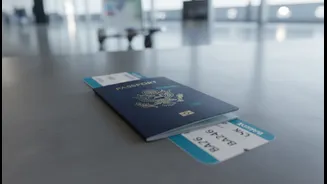
Carrying a valid form of identification has become crucial. At many attractions, your ID is checked against the name on your pre-booked ticket to prevent resale and ensure security. When booking safaris in national parks like Kanha, visitors must provide details from an original ID card (like an Aadhaar card, passport, or driver's license) and present the same physical ID at the gate. Any mismatch can result in the cancellation of your permit. For foreign tourists, a passport is almost always the required form of ID. Some parks in the US have even introduced different fee structures for residents and non-residents, making it necessary for all visitors to present identification to verify their status. It's a simple step that can prevent major hassles on the day of your visit.
Your Pre-Travel Checklist
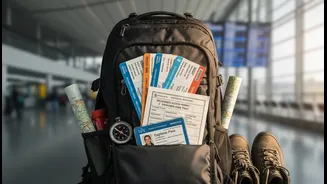
To ensure your trip goes smoothly, adopt a new travel habit: research and book before you go. First, check the official website of the attraction weeks or even months ahead of your visit. Look for a "Plan Your Visit," "Tickets," or "Permits" section. Note the dates when tickets or permits are released, as popular slots can be gone in minutes. When you book, use the full, correct names of all travelers as they appear on their government-issued ID. Save a digital copy of your ticket or permit on your phone and also carry a printed copy as a backup. Finally, always carry the original physical ID you used for the booking. A few minutes of planning can be the difference between a dream trip and a frustrating day.