



Understanding Your Pet's Fear
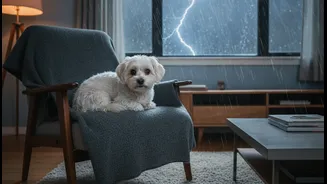
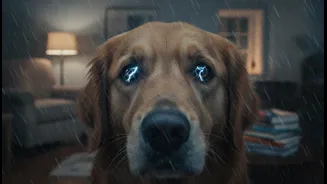
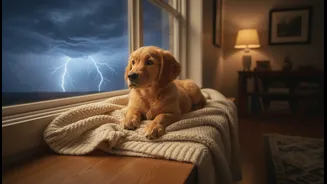
A pet's fear of thunderstorms, or astraphobia, is more complex than just a reaction to loud noise. Animals are sensitive to changes in barometric pressure, which drop before a storm. They can also feel the buildup of static electricity in the air; some
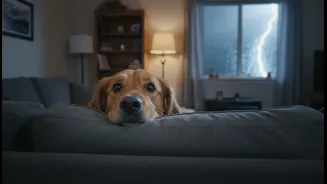
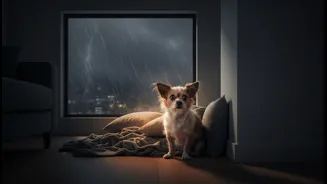
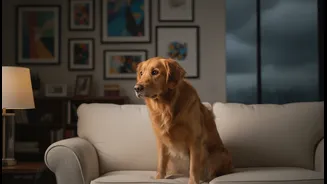
veterinary behaviorists theorize that pets may receive tiny, uncomfortable static shocks during a storm, making them anxious. Add to that the disorienting flashes of lightning and the unpredictable rumbles of thunder, and it's a full-blown sensory assault. This fear is a real phobia, and it often worsens over time without intervention. Signs of anxiety can range from subtle lip licking and panting to more severe behaviors like trembling, hiding, destructive chewing, or even trying to escape.
Create a Safe Haven
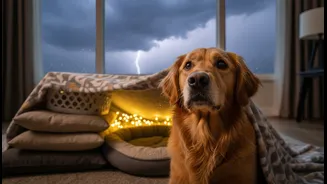
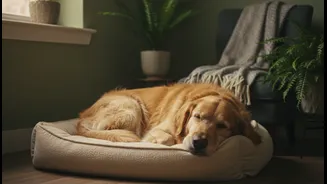
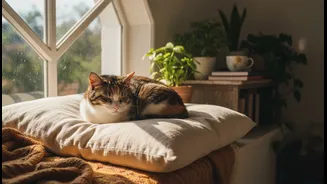
One of the most effective immediate steps is to provide your pet with a safe, comforting space to retreat to. This 'den' should be accessible to them at all times, not just during storms. Many dogs and cats instinctively seek out small, enclosed areas. You can create one by setting up a crate (with the door fixed open) in a quiet corner, or by arranging blankets under a table. Place it in an interior room or basement where storm sounds and light flashes are minimized. Make it inviting with their favorite soft bedding, toys, and perhaps an item of your clothing that carries your scent for extra comfort. The goal is to create a cozy, secure sanctuary that your pet associates with safety and calm.
Managing Fear During the Storm
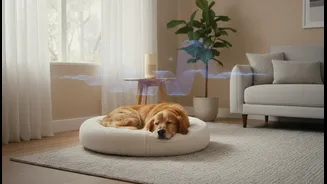
When a storm is rolling in, your own calm demeanor is crucial, as pets can pick up on your anxiety. Try to act normal and project confidence. You can help your pet by managing the environment. Close curtains or blinds to block out flashes of lightning. Drown out the thunder by playing calming classical music or using a white noise machine or a fan. Engage your pet in a low-key, fun activity, like playing with a favorite toy or working on a food puzzle. This provides a positive distraction. Many owners also find success with anxiety wraps or snug-fitting shirts, which apply gentle, constant pressure that can have a calming effect, similar to swaddling a baby. While you shouldn't excessively coddle a fearful pet, which can reinforce the fearful behavior, gentle petting is fine if it seems to calm them.
Long-Term Solution: Behavior Modification
For a long-term solution, veterinary behaviorists recommend a technique called desensitization and counter-conditioning. This process involves gradually exposing your pet to the sounds of a storm at a very low, non-threatening volume. You can find thunderstorm recordings online for this purpose. While playing the sound quietly, you pair it with something your pet loves, like high-value treats or a favorite game. This counter-conditioning helps change their emotional response from fear to a positive association. Over many sessions spanning weeks or months, you slowly increase the volume, always ensuring your pet remains calm and comfortable. If they show any signs of anxiety, you've gone too fast and need to lower the volume to a level where they are comfortable again. This process requires patience but can be highly effective at reducing the phobia's intensity.
When to Consult a Professional
If your pet's phobia is severe, leads to self-harm or extreme destruction, or doesn't improve with these strategies, it's time to seek professional help. Your veterinarian can rule out any underlying medical issues and discuss further options. They may prescribe anti-anxiety medication to be given before a storm to help your pet cope. A vet might also refer you to a certified veterinary behaviorist for a more tailored and intensive behavior modification plan. Remember that medication is most effective when used in conjunction with environmental management and behavior modification techniques.