



Embrace Alternative Cooking Methods
The single biggest way to reduce oil consumption is to move away from deep-frying. Your favourite snacks can be just as delicious with a few adjustments. An air fryer can make samosas, pakoras, and tikkis wonderfully crisp with just a teaspoon of oil,
or even none at all. Baking is another excellent alternative for items like kachoris and vadas, using dry heat to achieve a satisfying crunch. Even grilling paneer, vegetables, or kebabs on a grill pan or in an air fryer provides that characteristic char-grilled flavour without needing oil. For day-to-day cooking, steaming is a zero-oil method that preserves nutrients exceptionally well, perfect for dishes like dhokla and idli, or even for cooking fish and vegetables.
Invest in the Right Cookware
The type of pan you use dramatically affects how much oil you need. A high-quality non-stick pan is invaluable, allowing you to make dosas, cheelas, and sauté vegetables with minimal oil. Hard-anodized and tri-ply stainless steel cookware are also great investments; they distribute heat evenly, which prevents food from sticking and reduces the need to add more oil midway through cooking. For those who enjoy traditional methods, a well-seasoned cast iron kadai or pan develops a natural non-stick surface over time and is excellent for many Indian cooking techniques.
Master a Few Smart Techniques
You don't need a lot of oil to build a flavourful base for your curries. One of the most effective techniques is 'water sautéing'. Instead of starting with oil, you can sauté onions, ginger, and garlic in a few tablespoons of water or vegetable stock. As the water evaporates, the aromatics soften and brown just as they would in oil. If the masala begins to stick, simply add another splash of water to deglaze the pan. Another trick is to dry roast your whole spices like cumin and coriander seeds in a hot pan before grinding them. This releases their aromatic oils and deepens their flavour, meaning you can achieve a powerful taste without frying them in oil.
Rethink Your Gravies and Thickeners
Many restaurant-style gravies get their richness from fried onion and tomato pastes. You can achieve a similar creamy texture using healthier, more economical methods. Instead of frying, try using a paste made from boiled or roasted onions and tomatoes. For creaminess without the fat, blend in a handful of soaked cashews, melon seeds, or even a spoonful of roasted besan. Pureed vegetables like boiled carrots or bottle gourd can also add body and thickness to a curry, while natural thickeners like yogurt or a curd-water mixture can provide a tangy, rich base for many dishes.
Make Smart Choices With Your Oil
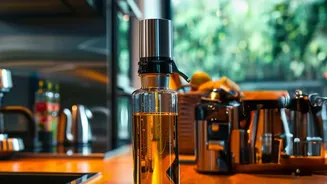
When you do use oil, make it count. Since prices are high, being strategic is key. Consider using more budget-friendly oils that are well-suited for Indian cooking, such as mustard oil, soybean oil, or sunflower oil, which are often more affordable due to domestic production. Instead of pouring oil directly from the bottle, measure it with a spoon to control the amount precisely. An oil spray or a silicone brush can also help you apply a thin, even coat to your pan, drastically reducing the quantity used for dishes like parathas or shallow frying. Finally, remember to focus flavour at the end. A garnish of fresh coriander, a squeeze of lemon juice, or a sprinkle of kasuri methi can brighten a dish immensely, making you less reliant on oil for taste.