




Why a Wet Coat Is a Health Hazard
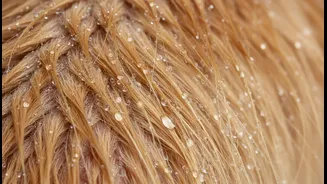
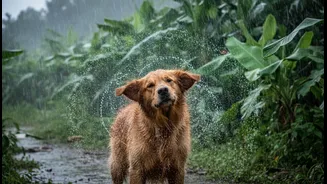
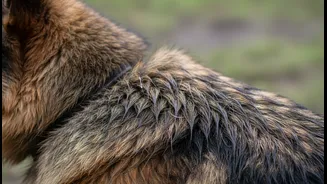
During India’s monsoon, humidity levels can soar above 80%. At this level of atmospheric moisture, a dog's coat, especially if it's thick or double-layered, simply doesn't dry on its own. This trapped moisture creates a warm, humid microenvironment right
against the skin. A dog’s skin is naturally more alkaline than human skin, making it more susceptible to bacterial and fungal overgrowth when its protective barrier is weakened by constant dampness. This transforms your dog's cosy fur into an ideal incubator for infections that can escalate quickly. The most vulnerable areas are paws, ears, skin folds, armpits, and the underbelly—anywhere air circulation is limited.
Common Infections to Watch For
Several specific conditions thrive in these damp-coat conditions. Acute Moist Dermatitis, commonly known as 'hot spots', are painful, red, inflamed, and oozing patches of skin that can appear and spread within hours. They are often triggered by a dog excessively licking or scratching an irritated area, which is made worse by moisture. Bacterial infections (Pyoderma) are also common, appearing as pus-filled bumps, crusty sores, and red, inflamed skin. Another frequent issue is yeast infections, caused by a fungus called Malassezia. This leads to intense itching, a greasy or flaky coat, and a distinct musty odour, often concentrated between the toes or in the ears.
A Five-Minute Prevention Routine
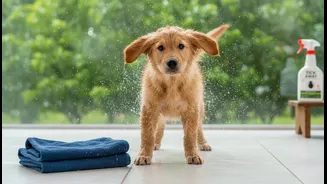
The good news is that most of these problems are preventable with a consistent routine. The single most effective habit is to dry your dog thoroughly after every single walk, bath, or exposure to rain. Don't just give a quick towel rub; focus on the paws, underbelly, ears, and any skin folds where moisture hides. Using a highly absorbent microfiber towel can make a significant difference. For long-haired breeds, a hairdryer on a low-heat, low-speed setting can ensure the undercoat is completely dry. Additionally, trimming the hair between your dog's paw pads reduces the amount of mud and water that gets trapped.
The Importance of Paws and Gear
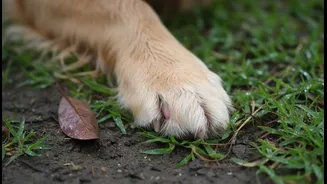
Paws are ground zero for monsoon troubles. After every walk, they should be rinsed with clean water and dried completely, especially between the toes. Applying a protective paw balm before walks can create a barrier against dirty water. It's also wise to check collars and harnesses. If they are left on while damp, they can trap moisture against the skin and lead to irritation and infection. Ensure any gear is removed and dried separately. Similarly, bedding can hold dampness, so washing and thoroughly drying your pet’s bed regularly is crucial to prevent fungal growth.
When to Consult a Veterinarian
While prevention is key, it’s important to recognise the signs that warrant a professional opinion. If you notice persistent scratching, biting, or licking at a specific spot, it’s time to call the vet. Other red flags include red patches, sores, or any discharge like pus. A strong, foul, or 'cheesy' odour coming from the skin or ears, even after a bath, is another clear sign of a possible infection that needs medical attention. Early intervention is critical, as skin infections can worsen rapidly in humid conditions and may require medicated shampoos or oral antibiotics to resolve.