




The Tyranny of the Algorithm
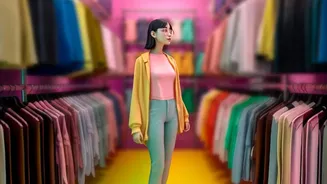
For years, platforms like Instagram and TikTok have dictated the cultural pulse, churning out new aesthetics at a weekly, sometimes daily, rate. These microtrends—short-lived fads that explode in popularity—create immense pressure to constantly update
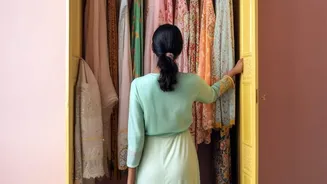
one's style, home, and even vocabulary to stay relevant. The cycle is relentless: discover a trend, buy into it, and watch it become obsolete before the package has even arrived. This rapid turnover isn't just mentally exhausting; it fuels a culture of hyper-consumerism that many are beginning to question. The psychological toll, often termed 'trend fatigue,' stems from the anxiety of missing out and the cognitive overload of processing endless new information. For many, fashion and self-expression have started to feel less like a joy and more like a race without a finish line.
A Search for Real Identity
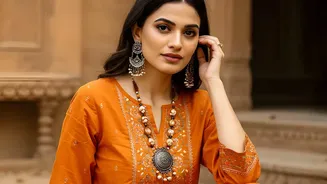
In response, a quiet rebellion is brewing. Young Indians are increasingly turning away from algorithm-fed aesthetics and embarking on a search for more durable, personal style. This isn't about rejecting trends entirely, but about reclaiming a sense of self that isn't defined by what's currently viral. The desire for authenticity is a powerful motivator. After years of dressing in a way that feels prescribed by influencers, many are now asking a simple question: "What do I actually like?" The answer often lies in styles and items with personal history and longevity—moving from a mindset of temporary relevance to one of lasting identity. This has led to a renewed appreciation for things that tell a story, whether it's a hand-me-down saree or a handcrafted piece of furniture.
The Rise of Conscious Consumption
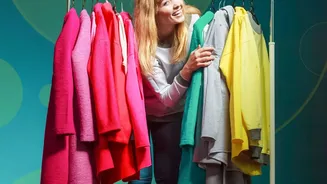
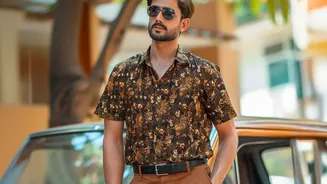
This cultural shift is deeply intertwined with growing awareness around sustainability and ethics. For Gen Z, a purchase is often a statement of values. The environmental and human cost of fast fashion—which powers the microtrend cycle—is no longer an abstract concept. As a result, concepts like 'slow fashion' are gaining significant traction. Young consumers are investing in higher-quality pieces, embracing traditional Indian textiles like Khadi, and championing practices like thrifting and upcycling. This move towards mindful consumption is also a pragmatic one. Amid financial uncertainties, many young people are choosing to buy fewer, better things that will last, rather than filling their closets with disposable trends.
From 'For You' Page to Real-Life Community
The rejection of microtrends also involves a shift in how community is defined. Instead of bonding over a fleeting aesthetic, many young Indians are finding connection through long-term hobbies and niche interests. From pottery and reading clubs to local music scenes and hiking groups, these communities are built on shared passions rather than shared algorithms. This movement values participation over passive consumption. It’s about learning a skill, creating something tangible, and building relationships offline. This pivot is also reflected online in the 'de-influencing' trend, where creators advise their followers against buying overhyped or poor-quality products, promoting a culture of more thoughtful purchasing.