







What Is the 'Run to Meditate' Trend?
At its core, the 'Run to Meditate' movement is beautifully simple. It involves completing a run—of any distance or intensity—and immediately following it with a period of meditation. It’s less of a rigid, branded 'challenge' and more of a flexible practice
that people are adapting to their own fitness levels and lifestyles. You might see someone post about a 10K run followed by a 20-minute guided meditation, while another person shares their experience of a gentle 2K jog ending with five minutes of silent breathing in a park. The unifying idea is the intentional pairing of cardiovascular exercise with mindful stillness, creating a powerful one-two punch for physical and mental wellbeing. It's a reaction against the 'go hard or go home' fitness culture, reframing exercise as a preparatory step for mental clarity, not just an end in itself.
The Synergy: Why It Feels So Good
The magic of this practice lies in the synergy between the two activities. Running is brilliant for expending restless energy. If you've ever tried to meditate with a buzzing mind and fidgety body, you know how hard it can be to settle down. A run helps burn off that physical and nervous tension, leaving the body tired but relaxed. This state, often called being 'pleasantly fatigued', makes it significantly easier to sit still and turn your focus inward. The physical exertion releases endorphins, the body's natural mood elevators, creating a feeling of accomplishment and mild euphoria often dubbed the 'runner's high'. When you immediately channel that positive post-run energy into meditation, you're not fighting an anxious mind. Instead, you're guiding a calm, receptive one. It transforms meditation from a chore into a rewarding cool-down for both your body and your brain.
A Little Science Behind the Trend
This isn't just wellness woo-woo; there’s a physiological basis for why this combination works. Running triggers the sympathetic nervous system (your 'fight or flight' response), increasing heart rate and alertness. When you stop and begin to meditate, especially with deep, slow breathing, you actively engage the parasympathetic nervous system (your 'rest and digest' response). This intentional switch helps train your body to down-regulate from a state of high stress to one of calm more efficiently. The endorphins and endocannabinoids released during a run reduce pain and boost mood, creating a perfect neurochemical cocktail for a positive meditative experience. Essentially, the run clears the physical static, while the meditation tunes the mental frequency to a calmer, more coherent channel.
How to Start Your Own Practice
Getting started is easier than you think. The key is to remove pressure and focus on the experience, not the performance.
1. Start Small: Don't aim for a marathon and an hour of silent meditation on your first day. Try a 10-minute jog around your neighbourhood, followed by a 5-minute guided meditation. Apps like Calm, Headspace, or even free timers on YouTube are great resources.
2. Run Mindfully: During your run, try to focus on the rhythm of your feet hitting the ground and the sensation of your breath. Don't worry about pace or distance. The goal is movement, not winning a race.
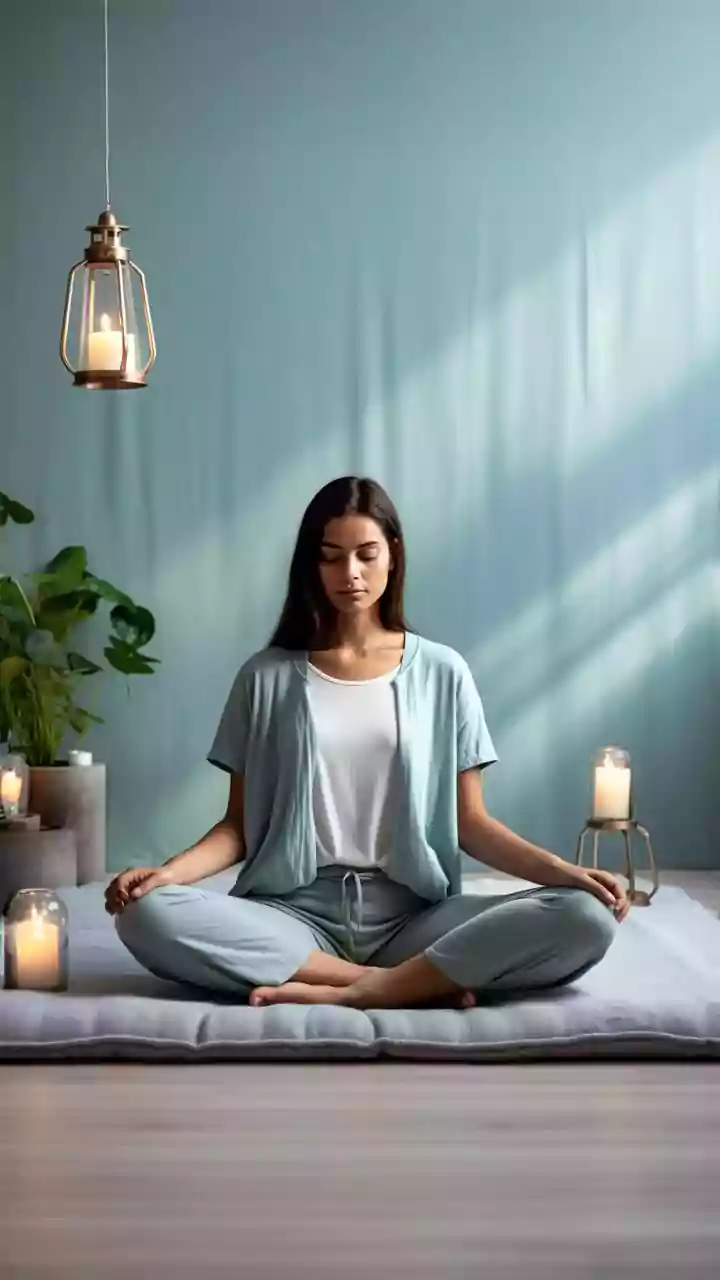
3. Prepare Your Space: Before you leave for your run, set up a comfortable spot for your meditation. Lay out a mat, a cushion, or just a clean patch of floor. This removes any friction between finishing your run and starting your session.
4. Transition Gently: As soon as you finish your run, take a moment for a few gentle stretches, grab a sip of water, and then move directly to your meditation spot. Don't get distracted by your phone or a to-do list. Ride the wave of post-run calm straight into your practice.
5. Be Kind to Yourself: Some days the run will feel hard, and some days the meditation will feel messy. That's perfectly fine. The goal isn't perfection; it's the consistent act of showing up for both your body and your mind.