


What is Air Extraction Technology?
At its core, air extraction technology for luggage involves removing the air from around soft items, like clothing, to dramatically reduce their volume. This isn't some futuristic gadget, but rather a practical application of a simple principle: most
of the space taken up by a folded sweater or jacket is just trapped air. By forcing this air out, the item becomes significantly smaller. The most common tools for this are vacuum compression bags and, to a lesser extent, compression packing cubes. These products are designed specifically for travellers, allowing them to shrink bulky garments into dense, manageable packages.
The Science of Shrinking Your Luggage
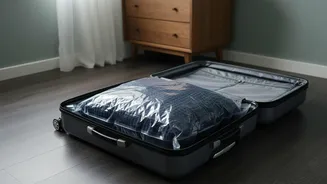
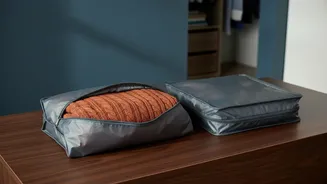
The magic of this technology lies in its mechanics. Vacuum compression bags are the most powerful option. You place your clothes inside, seal the bag using a zipper, and then remove the air through a one-way valve. Some bags are designed to be rolled by hand, which forces the air out. Others require a small, often USB-rechargeable, travel pump or a standard vacuum cleaner to suck the air out, compressing the contents by up to 60-75%. Compression packing cubes work on a similar, though less dramatic, principle. You pack the cube, then use a secondary exterior zipper to cinch the cube down, physically squeezing the air out and reducing its height. While they offer less compression than vacuum bags, they are often praised for their simplicity and organizational benefits.
The Primary Benefit: Maximising Carry-On Space
The single greatest advantage is the incredible amount of space you can save. Bulky items that are notorious luggage hogs—think puffer jackets, woollen sweaters, hoodies, and denim—can be compressed to a fraction of their original size. This means you can either pack more outfits for an extended trip or simply enjoy a lighter, smaller bag. For travellers committed to avoiding checked luggage fees, this technology is a game-changer. Suddenly, a week-long winter holiday with just a carry-on becomes feasible. These bags also offer secondary benefits, such as protecting clothes from moisture and odours and helping to separate clean and dirty laundry on the return journey.
Choosing Your Gear: Vacuum Bags vs. Compression Cubes
The right tool depends on your travel style. Vacuum bags offer maximum space-saving, making them ideal for trips with bulky clothing or when you need to pack as much as possible. However, they can cause significant wrinkling and often require a pump, which is an extra item to pack. Repacking for the journey home can also be a hassle if you don't have the pump handy. Compression cubes, on the other hand, are perfect for organization and quick access. They keep your suitcase tidy, cause fewer wrinkles, and are simpler to use since they just require zipping. The trade-off is that they don't save nearly as much space as vacuum bags. Many savvy travellers use a hybrid approach: vacuum bags for bulky items and compression cubes for everything else.
A Word of Warning: The Weight Limit
Air extraction technology reduces volume, but it does not reduce weight. This is the most important caveat for travellers to remember. It can be incredibly tempting to fill all the newfound space in your carry-on, but this can easily push you over the airline's weight limit. A densely packed, compressed bag of clothes can be deceptively heavy. Before heading to the airport, it is crucial to weigh your packed bag to ensure it complies with your airline's restrictions. A portable luggage scale is a wise investment for anyone who plans to use compression technology regularly. Also, remember that deeply compressed clothes will be very wrinkled upon arrival, so consider packing a travel steamer or choosing wrinkle-resistant fabrics.