



A Steamed Symbol of Comfort
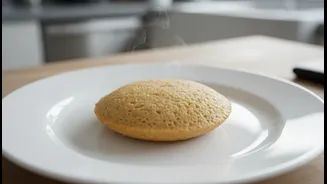
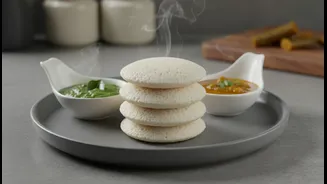
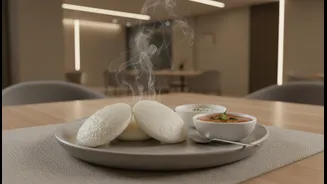
For millions, the day begins with the soft, pillowy perfection of a steamed idli. It’s a dish deeply woven into the fabric of South Indian culture, a symbol of home, comfort, and nourishment. Its history is ancient and debated, with mentions of similar
preparations dating back to the 10th century. Made from a fermented batter of rice and lentils, idli is celebrated for being light, easily digestible, and naturally probiotic. This simple, steamed cake is a testament to culinary science, with fermentation not only leavening the batter but also increasing the bioavailability of nutrients. It is a food that is gentle on the stomach, making it a go-to meal for all ages, from toddlers to the elderly, and often recommended during recovery from illness. Its cultural significance is undeniable, marking everything from daily breakfasts to festive occasions.
The Looming Innovation Void
Despite its revered status, the idli is at risk of being left behind. The '2026 menu gap' isn't about a shortage of idlis, but a shortage of imagination. While global food trends race ahead, embracing fusion flavours, health-conscious ingredients, and novel textures, the mainstream idli has remained largely unchanged. The modern diner, especially in urban India, is increasingly experimental. They are seeking plant-based variety, exploring global cuisines, and demanding more nutritional value from their meals. While the classic idli is timeless, its static presentation on many menus represents a missed opportunity. The gap lies between the idli’s traditional form and the dynamic palate of the next generation of food lovers who are accustomed to constant innovation in their culinary choices.
Bridging the Gap with Flavour
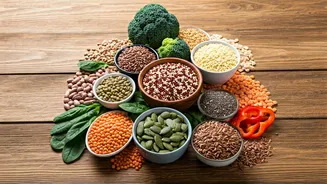
The good news is that the idli is a wonderfully versatile canvas, and bridging this gap is well within reach. The world of millets, for instance, offers a fantastic avenue for reinvention. Idlis made from foxtail, barnyard, or finger millet (ragi) are not only gluten-free but also pack a higher nutritional punch with more fibre and a lower glycemic index. These variations are already gaining traction among health-conscious consumers. Beyond the batter, innovation can come from fillings and toppings. Imagine savoury idlis stuffed with spiced paneer, mushrooms, or even a fusion filling like kimchi. Restaurants and home cooks have started experimenting with 'idli chaat' and 'chilli idli', transforming leftover idlis into exciting snacks. These creative takes prove that the idli can evolve without losing its soul.
Reimagining Idli for Modern Wellness
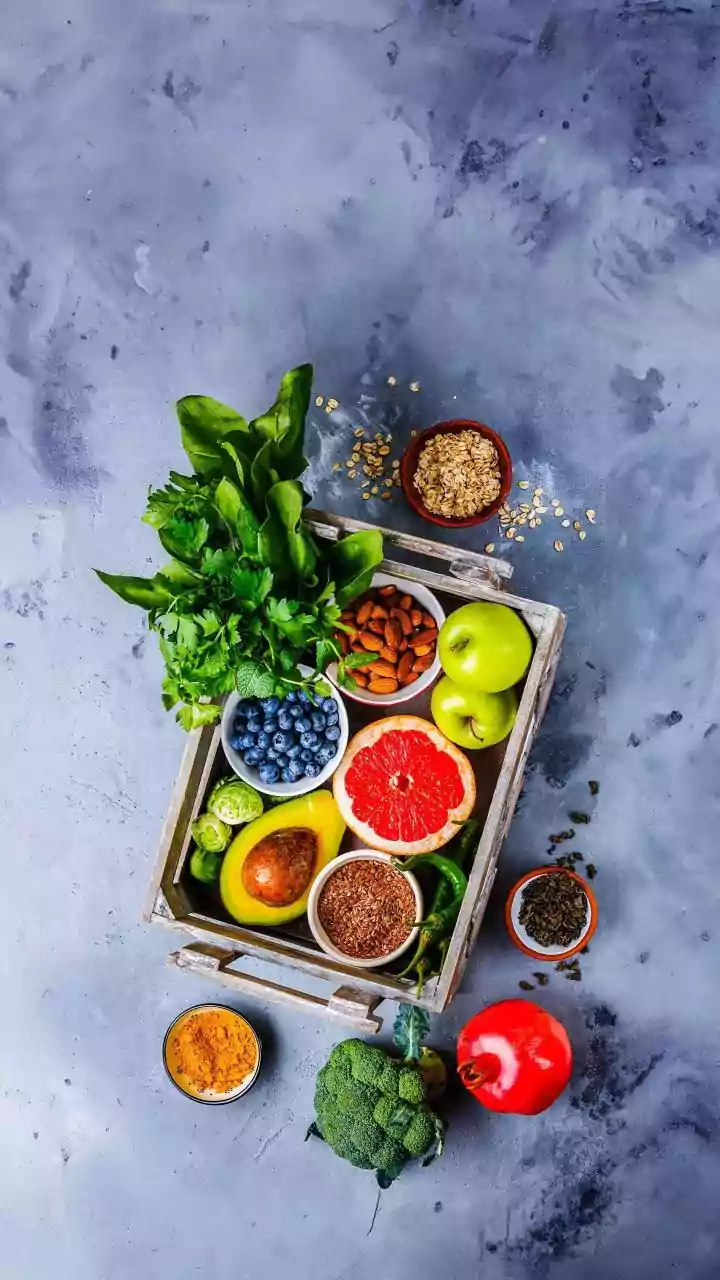
The global wellness movement provides a golden opportunity for the idli's evolution. Already hailed as a healthy food, its benefits can be amplified. Using brown or red rice instead of polished white rice can significantly increase fibre content. Incorporating protein-rich ingredients like quinoa or adding vegetable purees of beetroot or spinach into the batter can enhance its nutritional profile and add vibrant colour. The process of fermentation, which gives idli its gut-friendly properties, aligns perfectly with the growing global interest in fermented foods for gut health. By consciously marketing these health benefits and developing versions that cater to specific dietary needs—such as diabetic-friendly millet idlis—the dish can secure its place on modern wellness menus across the world.
A Call to Culinary Arms
This call for innovation isn't just for Michelin-starred chefs; it's for every cloud kitchen, restaurant, and home cook. It’s about viewing the idli not as a static relic, but as a dynamic platform for creativity. Chefs can introduce 'Idli of the Day' specials, featuring new grains or surprise fillings. Food delivery platforms can highlight innovative idli makers, encouraging experimentation. At home, it can be as simple as trying a new millet-based batter or serving idlis with a non-traditional pesto or spicy tomato salsa instead of the usual chutney. The goal isn't to replace the classic but to expand the 'idliverse', creating an ecosystem where tradition and innovation coexist.