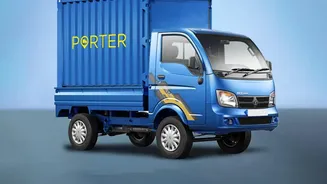








The magic of ordering a product online and having it arrive in a day or two feels routine now. But behind that speed is a huge economic shift. The engine of Indian logistics is decentralizing from big metros to the nation's smaller cities.
The Great Migration from Metros
For years, India's
logistics world revolved around major metropolitan hubs like Mumbai, Delhi-NCR, and Bengaluru. These were the epicentres of commerce and consumption. But that model is changing fast. Today, companies are increasingly looking towards Tier-II and Tier-III cities such as Lucknow, Jaipur, Coimbatore, and Nagpur to build their next wave of infrastructure. This strategic pivot is driven by two powerful forces: rising operational costs and land scarcity in the metros, and a massive surge in online shoppers from non-metro areas. With nearly 60% of e-commerce buyers now coming from smaller cities, being closer to the customer is no longer a luxury—it's a competitive necessity. This decentralisation allows companies to slash delivery times and transportation costs, making the entire supply chain more resilient.
Warehousing Reimagined for a New Era
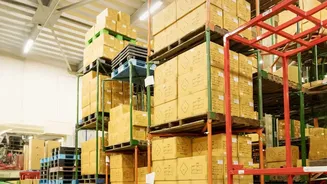
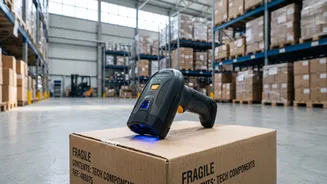
The warehouses popping up in these regional hubs are a far cry from the simple storage godowns of the past. These are sophisticated, often 'Grade-A' facilities featuring advanced technology. Modern warehousing is less about storage and more about efficient movement. Automation, AI-integrated warehouse management systems (WMS), and real-time inventory tracking are becoming standard as companies strive for near-perfect order accuracy. This focus on quality infrastructure is attracting institutional investors, transforming industrial real estate in cities that were previously overlooked. In fact, Tier-II and III markets accounted for a significant 27% of new warehousing supply in the third quarter of 2026, indicating that developers are building ahead to meet expected demand. This shift ensures that as manufacturing and e-commerce grow in these regions, the logistics backbone is ready to support them.
The Festive Season Jobs Boom
This logistics expansion has a direct and powerful impact on local employment, especially during the festive season. To handle the massive surge in orders from Diwali through the New Year, companies undertake large-scale seasonal hiring. Reports ahead of the 2026 festive rush indicate the creation of over 2.5 lakh temporary jobs, with logistics and warehousing being the top sectors for demand. Roles like delivery executives, warehouse associates, pickers, and packers are in high demand. Major players like Amazon and Meesho have announced plans to create hundreds of thousands of such roles. Amazon alone is adding over 1.6 lakh seasonal positions across 400 cities, with a significant focus on Tier-II and Tier-III hubs like Varanasi, Kochi, and Ranchi. Meesho expects to enable over 3.75 lakh jobs in its logistics operations. This trend shows that festive hiring is becoming more geographically spread out, with smaller cities projected to contribute around 45% of total festive demand.
Overcoming the Hurdles
The transition is not without its challenges. While the opportunity is immense, companies often face gaps in local infrastructure and a shortage of skilled labour. Even with high demand for workers, an estimated 80% of employers experience shortages for frontline operational roles during the festive season. To bridge this gap, companies are investing in training programs for the local workforce, teaching them to operate modern logistics technology. Furthermore, the quality of roads and consistent power supply can still be a concern in some emerging hubs, affecting the efficiency that these advanced warehouses are designed to provide. Success hinges on both private investment in facilities and continued public spending on infrastructure projects that improve connectivity.
Powering India's Broader Economy
The rise of regional logistics hubs is more than just a business trend; it is a catalyst for broadnded economic development. By bringing investment and creating jobs in smaller cities, this shift distributes growth more evenly across the country. It empowers local small and medium sized businesses by giving them access to a national market through efficient supply chains. As India aims to strengthen its position as a global manufacturing hub, having a modern, decentralised logistics network is critical. This transformation, driven by the clicks of millions of online shoppers, is fundamentally rewiring India's commercial landscape, ensuring that the benefits of growth reach far beyond the traditional metro limits.