





The Engine in the Countryside Is Sputtering
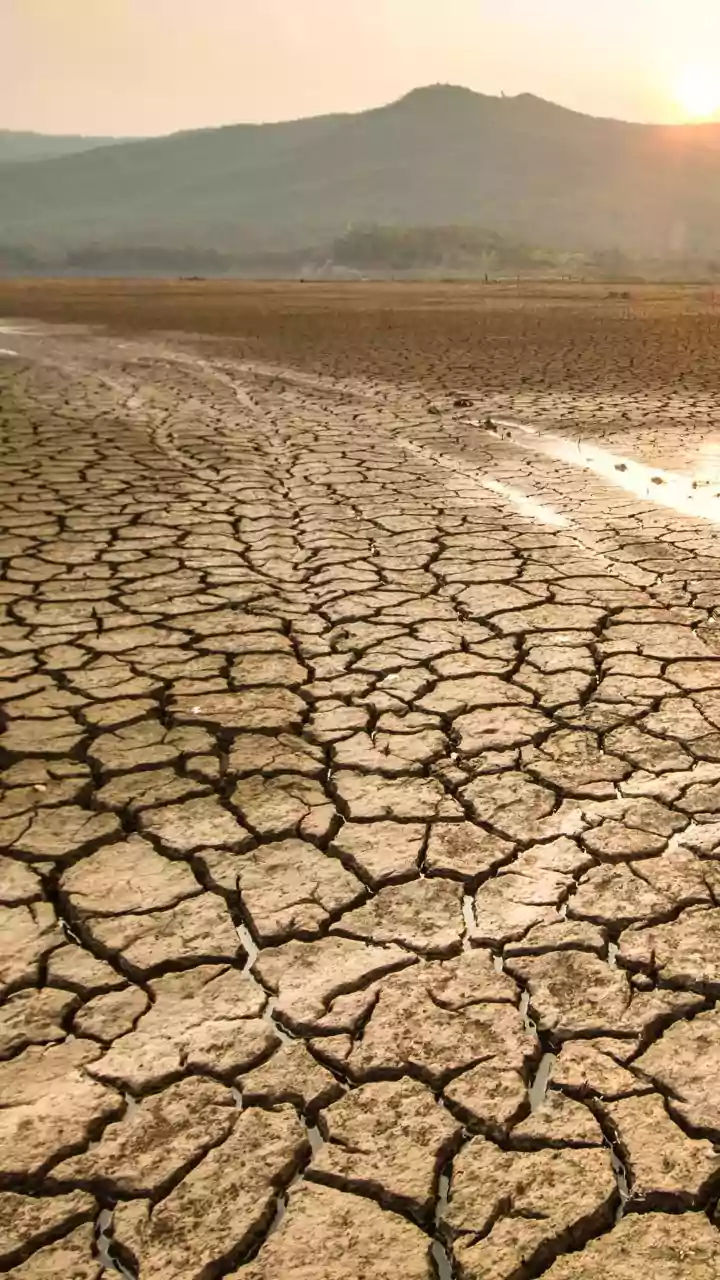
India's rural economy, which supports the majority of its population, is showing clear signs of strain. The primary cause is the country's weakest monsoon season in over a decade, with rainfall in 2026 reported to be significantly below normal. This has
a direct and immediate impact on the agricultural sector, which is heavily dependent on these seasonal rains. Lower rainfall affects crop sowing and yields, leading to reduced farm incomes. This financial squeeze doesn't just stay on the farm; it ripples through the entire rural ecosystem, affecting wages, local trade, and the ability of households to spend on anything beyond the absolute essentials. The result is a palpable slowdown in rural demand.
A Tale of Two Consumers
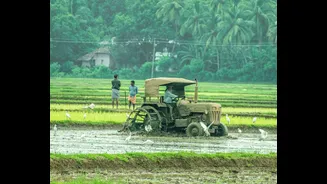
The economic picture presents a stark contrast between urban and rural India. While rural households are tightening their belts, urban consumers appear more resilient. Several surveys indicate that a majority of urban shoppers intend to spend as much or more than usual this festive season. However, this spending is becoming more focused, concentrated on categories like apparel, electronics, and home goods. In contrast, key indicators of rural health are flashing red. Sales of tractors and two-wheelers, often seen as barometers for rural prosperity, have seen significant declines in recent months. Companies have reported that farmers are cutting back on purchases of seeds and fertilisers to conserve cash, pointing to a broader pullback in agricultural spending. This divergence means that while city malls might be busy, the small shops and businesses that rely on rural customers are facing a much tougher festive period.
The Impact on Your Festive Budget
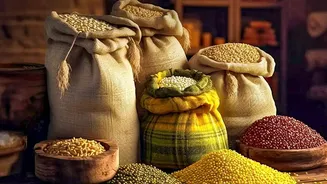
The rural slowdown and erratic weather are not just distant economic trends; they have a direct effect on household budgets across the country. Lower agricultural output is contributing to food inflation, with prices of staples like onions, sugar, and pulses already on the rise ahead of the festive season. Food inflation rose to 5.95% in August 2026, and economists expect it to remain elevated. This means the cost of preparing festive meals and sweets is likely to be higher this year. For many families, a larger portion of their budget will be consumed by essential food items, leaving less room for discretionary purchases like new clothes, gifts, or home upgrades. This pressure on purchasing power is a key reason why overall consumer sentiment remains cautious, with surveys showing a large percentage of households feeling financially strained.
How Businesses Are Responding
Companies that produce fast-moving consumer goods (FMCG) are watching these trends closely. The sector has already seen a moderation in growth, with rural market volumes declining by 5% in the second quarter of 2026. This slowdown has been described as systemic, affecting a wide range of product categories. While brands are still betting on the festive season to provide a much-needed sales lift, they are also aware of the underlying weakness. Some analysts predict that while overall online festive sales might grow, it will be driven by more households placing orders rather than by bigger individual shopping baskets. For companies that depend heavily on rural markets, the slowdown in farm incomes presents a significant challenge, potentially forcing them to recalibrate their sales expectations for what is traditionally their most important season.