




Why 'Low-Impact' is a Game-Changer
When you're new to fitness, the 'no pain, no gain' mantra can be misleading and even harmful. A smarter approach is starting with low-impact exercise. This means activities that minimize stress and jarring force on your joints, particularly your knees,
hips, and ankles. Unlike high-impact exercises like running or jumping, low-impact workouts typically keep at least one foot on the ground, or your body is supported by equipment or water. The benefits are significant: a reduced risk of injury, improved joint health and mobility, and better flexibility. This makes it an ideal starting point for beginners, older adults, or anyone with existing joint concerns, allowing you to build strength and endurance safely.
Your Starter List of Joint-Friendly Exercises
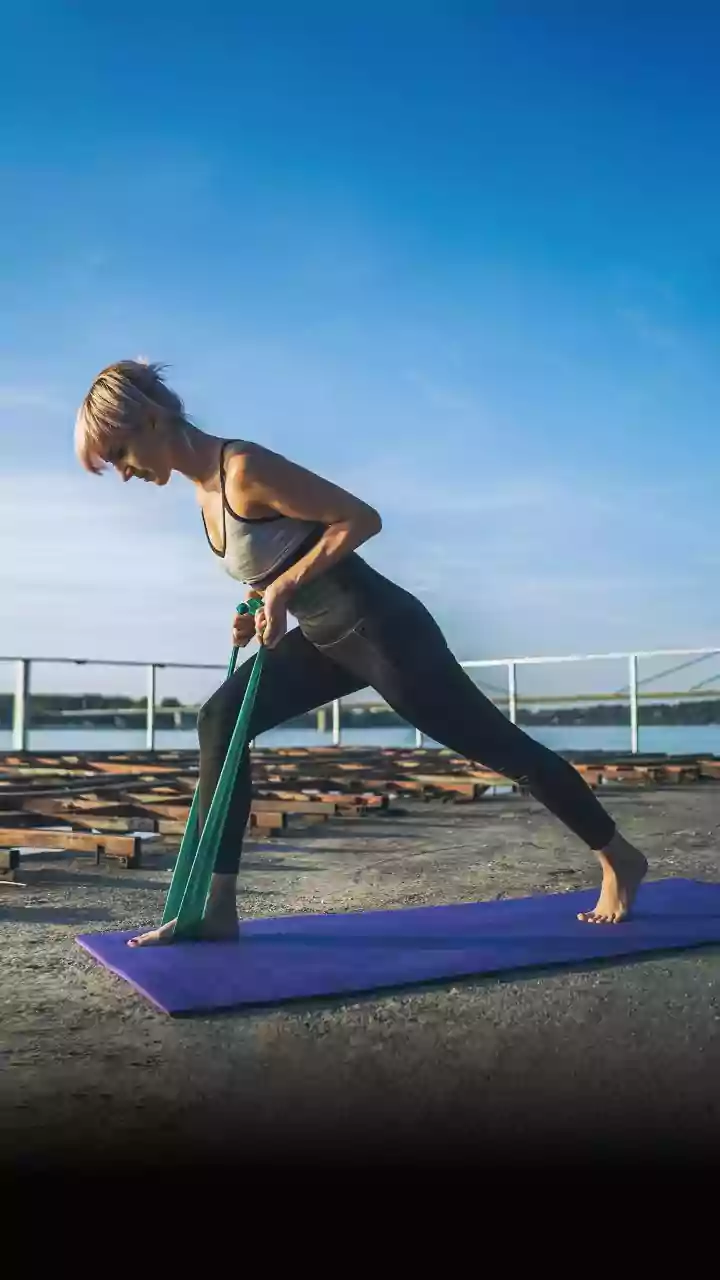
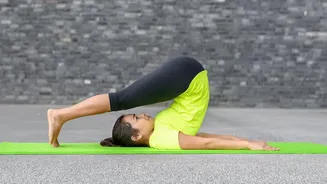
The best exercise is one you enjoy and can do consistently. Here are some excellent low-impact options to get you started: Walking: It's the most accessible form of exercise. Start with short, 10-15 minute walks on flat surfaces and gradually increase your duration and pace. Supportive shoes are key to protecting your joints. Swimming and Water Aerobics: The buoyancy of water supports your body, removing almost all stress from your joints. It provides a full-body workout, building both strength and cardiovascular fitness. Cycling: Whether on a stationary bike or outdoors, cycling is a fantastic low-impact cardio workout that builds leg strength without straining your knees and ankles. Strength Training: Using light weights or resistance bands helps build muscle, which in turn supports and protects your joints. Focus on controlled movements and proper form with exercises like squats, glute bridges, and wall sits. * Yoga or Tai Chi: These practices are excellent for improving balance, flexibility, and range of motion. Many forms, like chair yoga, are specifically designed to be gentle on the body.
The Secret to Making It a Sustainable Habit
The biggest challenge isn't the first workout; it's the fiftieth. Building a sustainable routine is more important than short bursts of intense effort. The key is consistency. Start slow to avoid burnout and injury. Aim for three to four sessions a week rather than trying to exercise every single day. Scheduling your workouts like appointments makes them non-negotiable. Find a time that works for your life, whether it's first thing in the morning or during your lunch break. You don't need to do it all at once; even breaking up your activity into shorter 10 or 15-minute sessions throughout the day is effective. The goal is to build a habit that feels supportive, not punishing.
Listen To Your Body and Track Your Wins
To stay in the game for the long haul, you must learn to listen to your body. Always warm up before exercising to prepare your muscles and cool down afterward with gentle stretching. Pay attention to the difference between the normal muscle soreness of a good workout and sharp, persistent pain, which could signal an injury. Don't be afraid to take rest days; they are crucial for recovery and prevent overtraining. Another powerful tool for sustainability is tracking your progress. Use a journal or an app to note your workouts. This isn't about judging your performance but celebrating your consistency. Seeing how far you've come is a powerful motivator. Remember to celebrate small wins, whether it's adding five minutes to your walk or simply showing up on a day you didn't feel like it.