




Why the Shift to Natural?
For years, the definition of a 'fancy' home involved high-gloss finishes, intricate patterns, and a look of untouchable perfection. But a collective shift is underway. In our hyper-digital, fast-paced lives, the home is re-emerging as a sanctuary—a place
for calm, authenticity, and well-being. This isn't just a design trend; it's a lifestyle choice. We're moving away from things that feel mass-produced and towards materials that tell a story. The grain of wood, the coolness of stone, the imperfection of a hand-thrown pot—these elements ground us. This philosophy, often linked to concepts like wabi-sabi (the Japanese art of finding beauty in imperfection) and biophilia (our innate connection to nature), is reshaping our living spaces from the ground up.
1. Raw and Reclaimed Wood
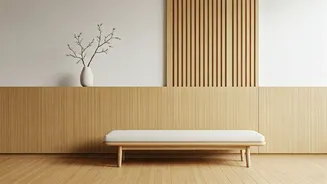
Forget perfectly lacquered, uniform-coloured wooden furniture. The spotlight is now on wood in its most honest state. Think live-edge dining tables that follow the tree's original contour, headboards made from reclaimed timber with old nail marks still visible, and side tables cut from a single, solid block of wood. These pieces celebrate the material's history, texture, and natural imperfections. They add an immediate warmth and character to a room that polished, mass-market furniture simply cannot replicate. From sheesham and mango wood to salvaged teak, Indian homes are embracing the story that only natural wood can tell.
2. Earthy Stones and Terracotta
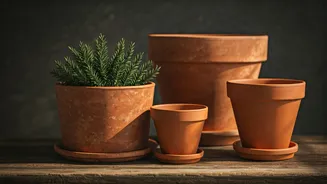
The glamour of high-shine imported marble is making way for more humble, earthy materials. Rough-hewn slate, matte-finished Kota stone, and textured sandstone are being used for flooring, wall cladding, and even countertops. These stones feel cool underfoot and connect the home to the Indian landscape. Alongside stone, terracotta is having a major revival. No longer just for garden pots, handmade terracotta tiles are creating stunning feature walls and rustic floors. Clay is also appearing in decor, from simple water jugs (matkas) used as decorative vases to contemporary sculptures, adding a touch of elemental beauty.
3. Woven Wonders: Jute, Rattan, and Cane
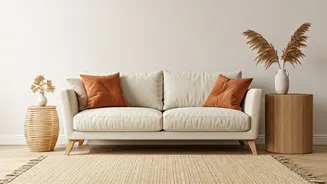
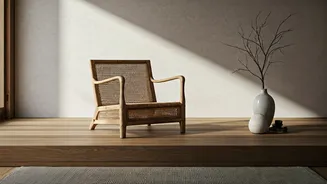
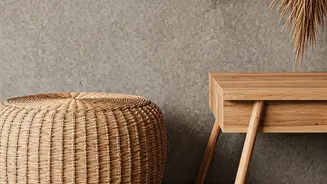
The artistry of weaving is bringing texture and lightness into our homes. Rattan and cane, once relegated to outdoor furniture, are now celebrated indoors in everything from statement armchairs and cabinet fronts to intricate light fixtures. These materials are lightweight, sustainable, and add a layer of handcrafted elegance. Similarly, jute is no longer just for sacks. Large, chunky-weave jute rugs are used to anchor living room seating areas, providing a soft, natural texture that feels wonderful to walk on. These woven elements create a relaxed, almost resort-like vibe, reminding us to slow down.
4. The Beauty of Imperfect Plasters
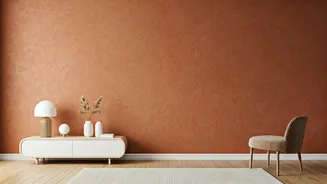
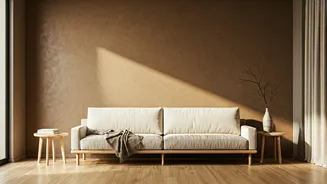
Perfectly smooth, painted walls are being replaced by surfaces with depth and character. Techniques like lime wash (chuna) and textured plaster are gaining immense popularity. Lime wash creates a soft, chalky, matte finish with subtle variations in colour, giving walls a luminous, breathable quality. More textured finishes, inspired by Venetian plaster or traditional mud walls, add a tactile dimension to a room. These imperfect surfaces play beautifully with light, creating shifting shadows and highlights throughout the day. The result is a space that feels organic, handmade, and soulful, rather than sterile and flat.
5. Honest Textiles: Linen, Khadi, and Cotton
In textiles, the trend is moving away from synthetic fabrics like polyester and velvet towards breathable, natural fibres. Pure linen curtains that drape softly and catch the light, crumpled cotton bedspreads that look invitingly comfortable, and hand-spun khadi cushions that celebrate Indian craftsmanship are key. The focus is on tactile qualities and a muted, earthy colour palette. These fabrics are not meant to look perfectly ironed or stiff; their charm lies in their softness, their subtle textures, and the comfortable, lived-in feel they bring to a home.