



Valley of Flowers, Uttarakhand: A Monsoon-Exclusive Miracle
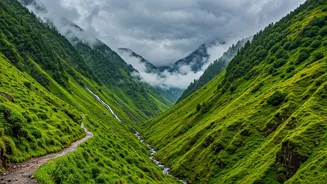
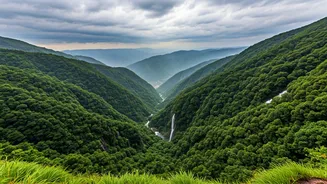
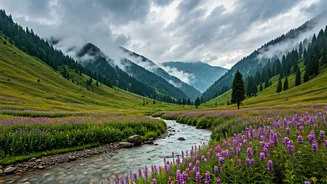
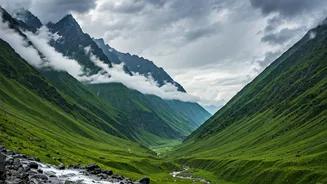
This isn't just a place that's beautiful in the rain; it's a place that exists *because* of the rain. The Valley of Flowers National Park, a UNESCO World Heritage Site, is a high-altitude Himalayan valley that remains dormant and snow-covered for most
of the year. But from July to September, the monsoon rains trigger a breathtaking spectacle: over 500 species of wildflowers burst into bloom, carpeting the meadows in a vibrant tapestry of colour. The trek to this valley, with Ghangaria as its base camp, is only open during these monsoon months. The journey itself is part of the magic, taking you through misty trails, past gushing streams, and into a landscape so vivid it feels otherworldly. The prime window to witness this full bloom is typically from mid-July to mid-August.
Kausani, Uttarakhand: The Switzerland of India in the Clouds
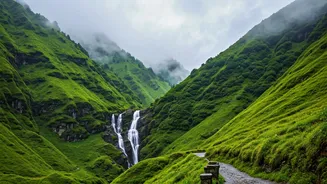
While many popular hill stations get chaotic, Kausani in the Kumaon region remains a tranquil escape. Its claim to fame is the staggering 300-km panoramic view of Himalayan peaks like Trishul and Nanda Devi. During the monsoon, this view plays a game of hide-and-seek with the clouds. The rains wash the landscape into a brilliant emerald green, and the air becomes crisp and clean. The clouds often descend into the valleys, making you feel like you're floating above a sea of white. It’s the perfect setting for quiet contemplation, visiting the historic Anasakti Ashram where Mahatma Gandhi once stayed, or simply enjoying a hot cup of tea while watching the rain dance over the majestic peaks.
Tirthan Valley, Himachal Pradesh: A Riverside Sanctuary
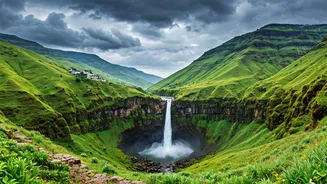
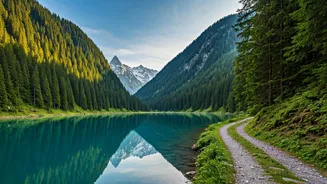
For those who believe the monsoon is a time for quiet connection with nature, Tirthan Valley is a revelation. Unlike busier Himachali destinations, Tirthan, located near the Great Himalayan National Park, offers a more serene experience. The monsoon transforms this valley; the Tirthan River swells and roars, small streams become energetic waterfalls, and the dense pine forests drip with fresh rain. While heavy downpours in July and August can pose risks of landslides, the shoulder periods of late June and post-mid-August offer a safer window to experience this lush beauty. It's an ideal spot for trout fishing, short hikes to places like Chhoie Waterfall, and staying in charming riverside homestays where you can truly slow down.
Lansdowne, Uttarakhand: Colonial Charm in the Mist
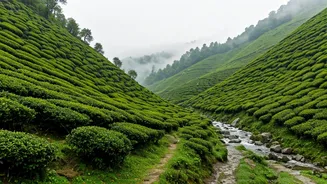
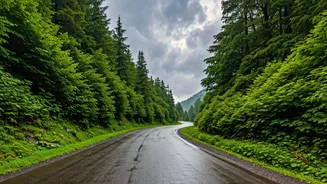
If you're looking for a peaceful and easily accessible monsoon getaway, Lansdowne is an excellent choice. This cantonment town in Pauri Garhwal is known for its quiet, disciplined atmosphere and well-maintained surroundings. During the rains, the entire town is often enveloped in a thick blanket of mist, lending a mysterious, old-world charm to its colonial-era churches and buildings. Surrounded by thick oak and blue pine forests, the air is incredibly fresh. It's considered one of the safer hill stations during the monsoon due to its stable terrain. Enjoy a boat ride on the man-made Bhulla Tal lake, walk the misty trails, or simply relax and enjoy the serene, rain-washed views from viewpoints like Tip-n-Top.
Spiti Valley, Himachal Pradesh: The Rain Shadow Desert
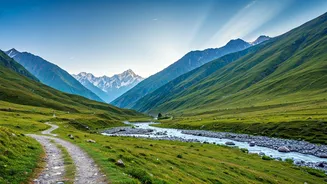
Here's the ultimate secret: the best place to be in the monsoon might be where it doesn't rain. Spiti Valley, a cold desert mountain valley, lies in the rain shadow of the Himalayas. This means while the rest of North India is experiencing heavy downpours, Spiti remains largely dry and accessible, making it a perfect, if unconventional, monsoon destination. The season brings clear skies and pleasant daytime temperatures, ideal for exploring its stark, lunar-like landscapes. You can visit ancient Buddhist monasteries like Key Monastery, marvel at the pristine high-altitude Chandratal Lake, and drive through some of the world's highest motorable passes with minimal weather-related disruptions.