






As temperatures drop, does your scalp get tight, itchy, and flaky? You're not alone. The combination of cold outdoor air and dry indoor heat strips moisture from your skin, leading to that dreaded winter scalp. Here’s how to fight back.
Understand the Winter Effect
The primary cause
of winter scalp issues is a lack of moisture. Cold, dry air outside and central heating inside create an environment with low humidity. This causes moisture to evaporate from your skin, including your scalp, weakening its natural protective barrier. This can lead to tightness, inflammation, small white flakes, and a persistent itch. It's important to distinguish this from dandruff, which is often caused by an excess of oil and a yeast-like fungus, though winter conditions can exacerbate that, too.
Rethink Your Washing Routine
One of the quickest ways to soothe a winter scalp is to adjust how you wash your hair. First, turn down the temperature. Steaming hot showers feel great on a cold day, but they strip your scalp of its natural protective oils, making dryness worse. Opt for lukewarm water instead. Consider washing your hair less frequently to give your scalp time to recover its natural oil balance. When you do shampoo, choose a gentle, hydrating, and sulfate-free formula. Avoid clarifying shampoos during winter, as they can be too harsh. Always follow with a rich conditioner to lock in moisture.
Embrace Nourishing Scalp Oils
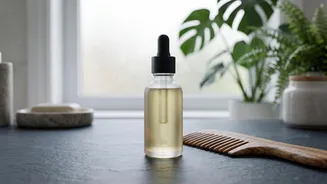
Oil treatments are a fantastic way to deliver deep hydration directly to the scalp. Coconut oil is a popular choice because its structure allows it to penetrate deeply, and it has antibacterial properties. Jojoba oil is another excellent option as it closely mimics the scalp's natural sebum, helping to balance moisture without clogging pores. For targeted relief, a few drops of tea tree oil mixed with a carrier oil like coconut or olive oil can help soothe itchiness and reduce flakes due to its antiseptic properties. Gently massage the oil into your scalp, leave it on for at least 20-30 minutes before washing, or even overnight for an intensive treatment.
Hydrate From the Inside Out
What you put into your body is just as important as what you put on your scalp. It's easy to drink less water during colder months, but internal dehydration will show on your skin. Make a conscious effort to drink plenty of water throughout the day. Additionally, incorporating foods rich in omega-3 fatty acids, like salmon and walnuts, and healthy fats from avocados and nuts can help support your skin's moisture barrier from within. Nutrients like zinc and B vitamins are also crucial for overall scalp health.
Make Simple Lifestyle Adjustments
A few small changes can make a big difference. Using a humidifier in your home, especially in your bedroom, can add moisture back into the dry, heated air, benefiting both your skin and scalp. Protect your scalp from the harsh, cold wind by wearing a hat, but be mindful not to wear it so tightly that it restricts circulation. Also, wash your hats regularly to prevent a buildup of sweat and oils that can irritate the scalp. Finally, try to limit the use of heat styling tools like blow dryers and straighteners, as the intense heat can further dry out your hair and scalp.
When to See a Dermatologist
If you've tried these remedies and your symptoms persist or worsen, it might be time to consult a professional. Intense, constant itching, a red rash, or thick, scaly patches could indicate an underlying condition like seborrheic dermatitis, psoriasis, or eczema, which require a specific diagnosis and treatment plan. A dermatologist can prescribe medicated shampoos or topical treatments to effectively manage these more serious conditions.