



A Culinary Mission Unlike Any Other
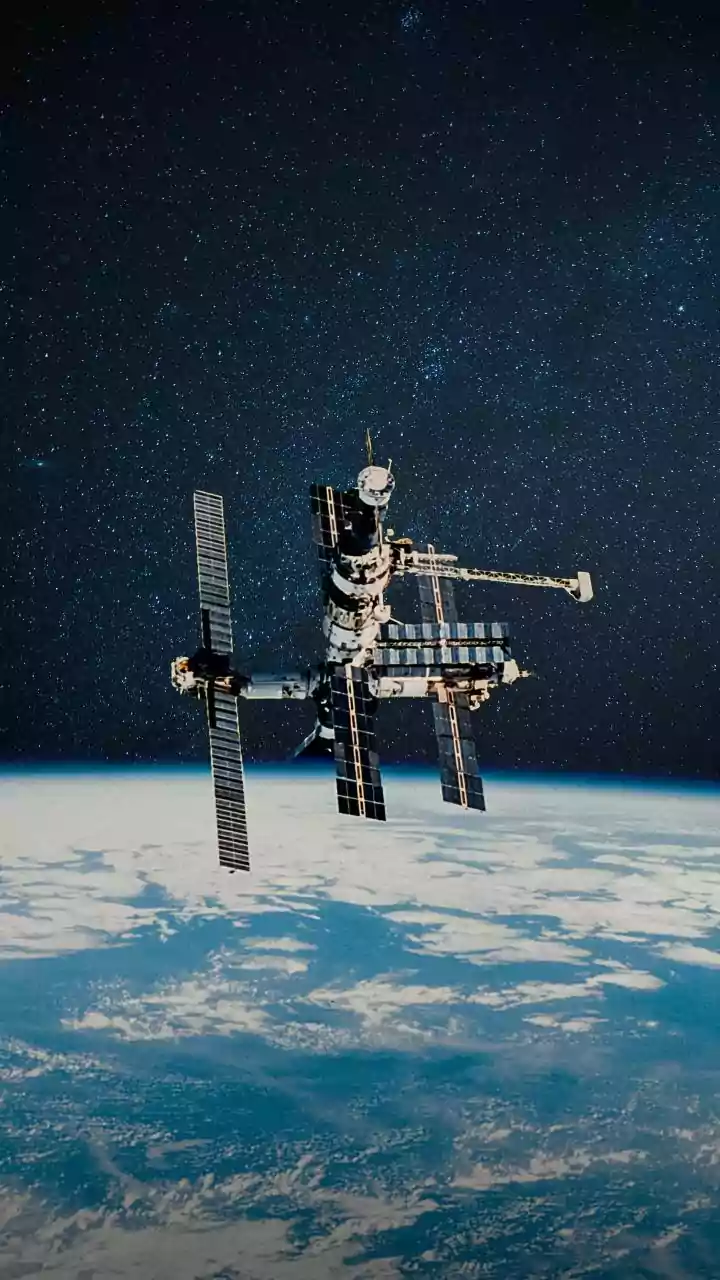
Sending humans to space is about more than just rocket science; it's also about biology, psychology, and even gastronomy. Astronauts in microgravity face significant challenges, from changes in their sense of taste and smell to the physical difficulty
of eating. Food must be nutritious, long-lasting, and easy to consume without creating crumbs that could float and damage sensitive equipment. For India's first human spaceflight mission, this means creating a menu that not only meets stringent technical requirements but also provides the psychological comfort of familiar food, a taste of home hundreds of kilometres above Earth.
Hyderabad and the National Effort
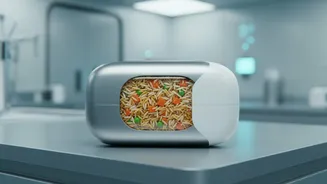
While the Mysuru-based Defence Food Research Laboratory (DFRL) has long been the primary centre for developing India's space food, the vision is part of a broader national effort where Hyderabad plays a key role. In May 2026, it was announced that Hyderabad's ICMR-National Institute of Nutrition (NIN) has started developing specialised foods for the Gaganyaan programme. This aligns with Hyderabad's emergence as a powerhouse in India’s aerospace, defence, and technology sectors. With over 1,500 MSMEs and major research institutions, the city's ecosystem is crucial for developing everything from launch vehicle components to advanced packaging, including smart food containers being co-developed by Hyderabad-based Ananth Technologies. This collaborative spirit is central to India's self-reliant space ambitions.
A Zero-Gravity Indian Thali
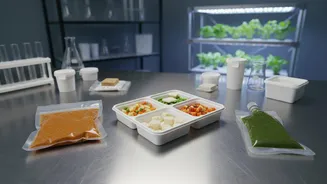
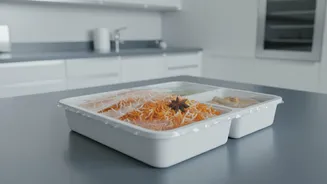
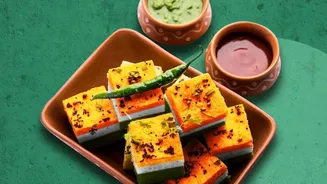
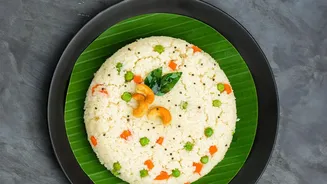
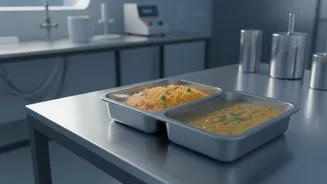
The menu being developed for Indian astronauts is a culinary journey in itself. Scientists at NIN and DFRL are working on a variety of Indian dishes adapted for space. The list includes favourites like khichdi, chicken biryani, sambar with idli, and mutton rolls. For dessert, astronauts can look forward to moong dal halwa and fruit purées. These meals are being designed in semi-solid, ready-to-eat, and dehydrated forms that can be easily reconstituted. The goal is to offer a menu that is both delicious and practical. The dishes are carefully balanced, with controlled levels of salt and spice, and are rich in micronutrients and antioxidants to support astronaut health in the demanding environment of space.
The Science of Space-Age Preservation
Ensuring food remains safe and palatable for the duration of a space mission without refrigeration is a major scientific hurdle. Indian researchers are employing advanced techniques like freeze-drying and retort processing, where food is sealed in pouches and heated to high temperatures to sterilise it. This process preserves the food's nutritional value, texture, and taste for a year or more. The packaging itself is a piece of technology, specially designed to be lightweight and easy to use in zero gravity. To ensure the final menu is ready, scientists are conducting rigorous tests, including microgravity simulation studies where participants mimic astronaut living conditions to test the food formulations.
More Than Just Fuel
Ultimately, the effort to put Indian food on the Gaganyaan menu is about more than just providing calories. Food carries immense cultural and emotional weight. For astronauts undertaking a stressful and isolating mission, a familiar meal like vegetable biryani or a sweet treat like gajar ka halwa can be a powerful morale booster. It's a connection to home, a reminder of culture and community. As one scientist noted, just as American and Russian astronauts carry food that suits their tastes, providing Indian food is about giving our astronauts that same sense of comfort. This meticulous attention to the human element is a hallmark of the Gaganyaan programme, showcasing a vision that is not just about reaching space, but about doing so with a distinctively Indian touch.