



The Urban Astronomer's Challenge
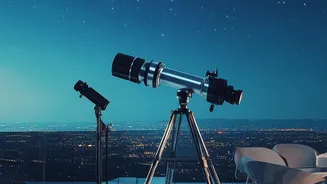
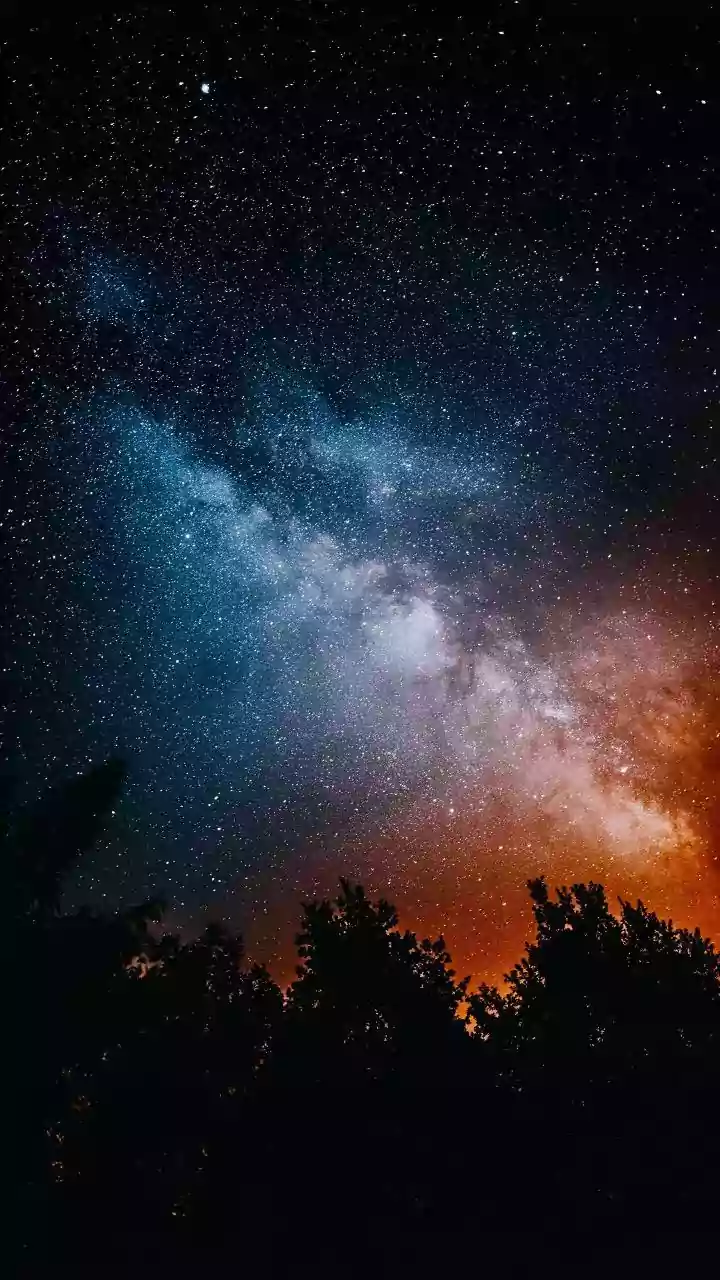
The glow of city lights, known as light pollution, creates a bright canvas that obscures faint celestial objects. A 2016 study estimated that over a third of the world's population can no longer see the Milky Way from their homes. This skyglow drastically
reduces the contrast needed to spot distant stars and galaxies. However, it doesn't make stargazing impossible. Bright objects, like the Moon and our solar system's planets, can often punch through the urban haze because the contrast between them and the brightened sky remains high. While you may not see a faint nebula, planets like Venus, Jupiter, and Saturn are often bright enough to be readily visible, even from a city balcony if you know where and when to look.
Your Phone is an Augmented Reality Planetarium
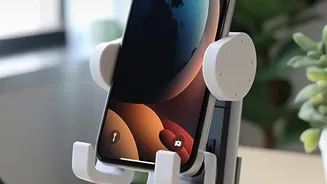
This is where your smartphone becomes an essential tool. Modern stargazing apps use your phone's GPS, compass, and internal clock to create a precise map of the sky above you in real-time. Many of these apps feature an augmented reality (AR) mode. Simply point your phone's camera at the sky, and the app will overlay the names of stars, constellations, and planets directly onto your screen. This technology effectively removes the guesswork. You no longer need to be an expert at navigating star charts; the app identifies what you're looking at instantly, making it the perfect companion for any aspiring urban astronomer. Many can even function without Wi-Fi or GPS once set up, making them ideal for any location.
Top Apps for City Planet Spotting
Several excellent apps can guide your urban stargazing. SkyView Lite is a popular free option that uses AR to identify celestial objects and works offline. Star Walk 2 is praised for being beginner-friendly and features beautiful visuals and AR overlays even in its free version. For those wanting more detail, Stellarium Mobile provides a highly realistic and accurate sky map, trusted by amateurs for years. Another great free option is Sky Tonight, which boasts a large database of objects and can even provide a forecast for stargazing conditions based on cloudiness and light pollution. While some apps like SkySafari Pro offer extensive features for serious astronomers, these free and affordable options are more than enough to get started.
A Step-by-Step Guide to Finding Planets
Ready to try it out? First, download a stargazing app of your choice. A few hours after sunset, find a spot with the clearest view of the sky you can manage, like a park, rooftop, or even a window facing away from the brightest streetlights. Open the app and allow it to calibrate using your location. Point your phone towards the sky and scan around. The app's AR view will label bright points of light. Planets are often distinguished by their steady, non-twinkling light compared to stars. Use the app's search function if you're looking for a specific planet. Many apps also feature a "time travel" function, allowing you to see where a planet will be on a different date or time, helping you plan your viewing.
Planets to Look For in September 2026
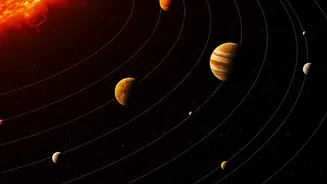
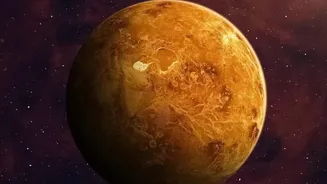
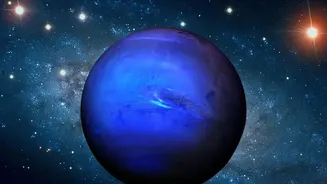
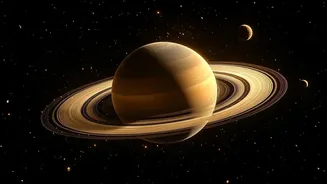
This month offers some excellent opportunities for planet spotting. Venus is exceptionally bright in the western evening sky just after sunset, reaching its peak brightness for the year. Due to its brilliance, it's one of the easiest celestial objects to find, even in bright cities. Yellowish Saturn rises in the east shortly after sunset and is visible for most of the night. For those willing to stay up late or wake up early, very bright Jupiter and reddish Mars dominate the pre-dawn eastern sky. While you'll need binoculars or a telescope to spot the faint blue disc of Neptune, it reaches opposition on September 26, making it a target for more dedicated observers.
Tips for Better Urban Viewing
To improve your experience, try to find a location that shields you from the direct glare of streetlights, such as in the shadow of a building or a group of trees. Give your eyes at least 15-20 minutes to adapt to the darkness; this will help you see fainter objects. Observing later at night, after 11 p.m., can also help as some city lights are turned off and air pollution can settle. The best viewing often occurs when a planet is highest in the sky, as you are looking through the least amount of Earth's turbulent atmosphere. Finally, check the weather forecast. Cool, dry nights after a cold front has passed often provide the most stable and clear air for observation.