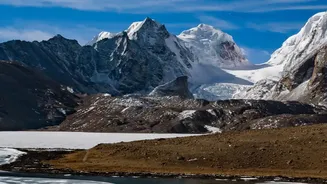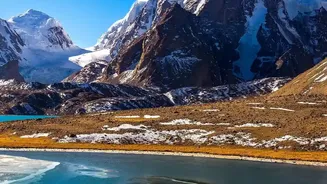

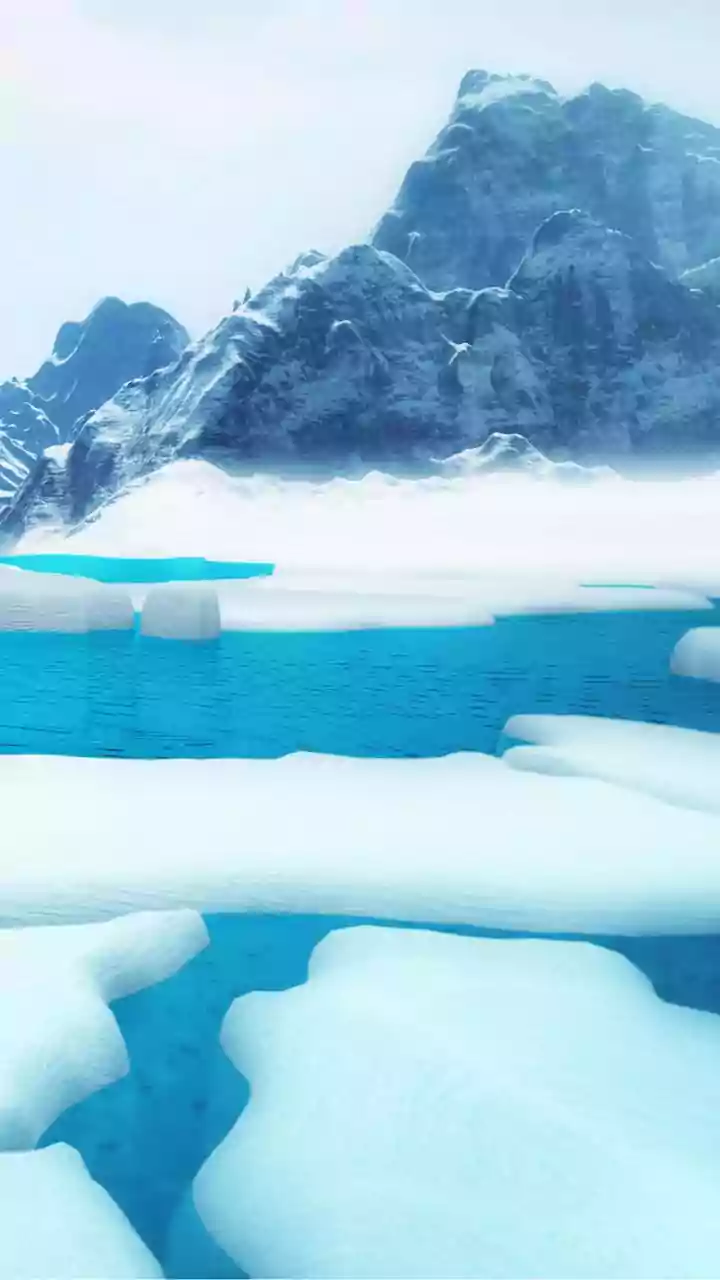
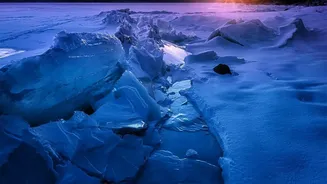
When winter arrives, some of the world's most beautiful lakes transform into magical icy landscapes. From surreal frozen bubbles to vast skating rinks under mountain peaks, these natural wonders offer a unique and breathtaking travel experience.
Lake Baikal, Russia: The Pearl of Siberia
As the
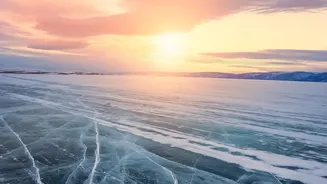
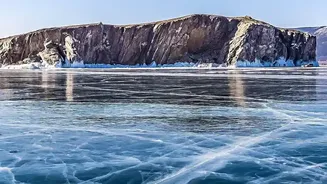
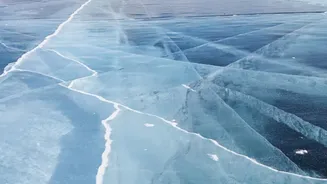
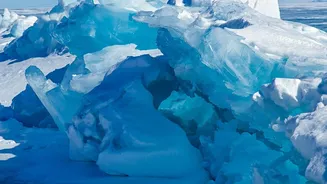
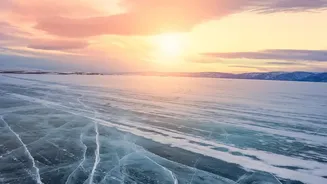
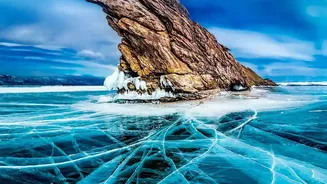
world's oldest and deepest freshwater lake, Lake Baikal is a natural wonder in any season, but winter is when its magic truly reveals itself. From approximately January to April, the lake freezes over, creating ice so clear and thick—up to 1.5 metres—that you can see deep into the water below. This transparent surface, often called 'Siberian glass', is famous for its mesmerising network of cracks and trapped methane bubbles that create otherworldly patterns. The sheer scale of the frozen expanse allows for unique activities like driving across the surface in a UAZ van, ice skating on vast, natural rinks, and exploring ice grottoes and caves filled with frozen stalactites. Despite the frigid temperatures, which can dip to -20°C, bright sunshine is common, making for a brilliant and unforgettable winter adventure.
Abraham Lake, Canada: A Symphony of Bubbles
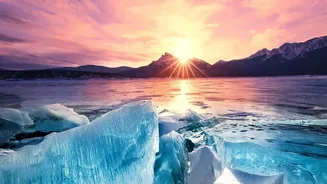
Located in Alberta, Canada, Abraham Lake is not a natural lake but a man-made reservoir that has become world-famous for a stunning winter phenomenon: frozen methane bubbles. As organic matter decomposes at the bottom of the lake, it releases methane gas. In winter, these rising gas bubbles get trapped in stacking layers as the water freezes, creating an incredible visual effect of white orbs suspended in the clear ice. The best time to witness this spectacle is typically January and February, when the ice is thick and strong winds sweep the surface clear of snow, enhancing visibility. The sight of these bubble towers, set against the rugged backdrop of the Canadian Rockies, makes Abraham Lake a dream destination for photographers and nature lovers seeking a truly unique winter experience.
Jökulsárlón, Iceland: Where Glaciers Meet the Sea
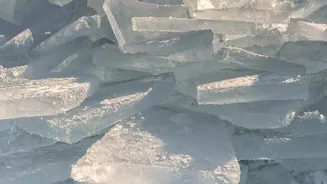
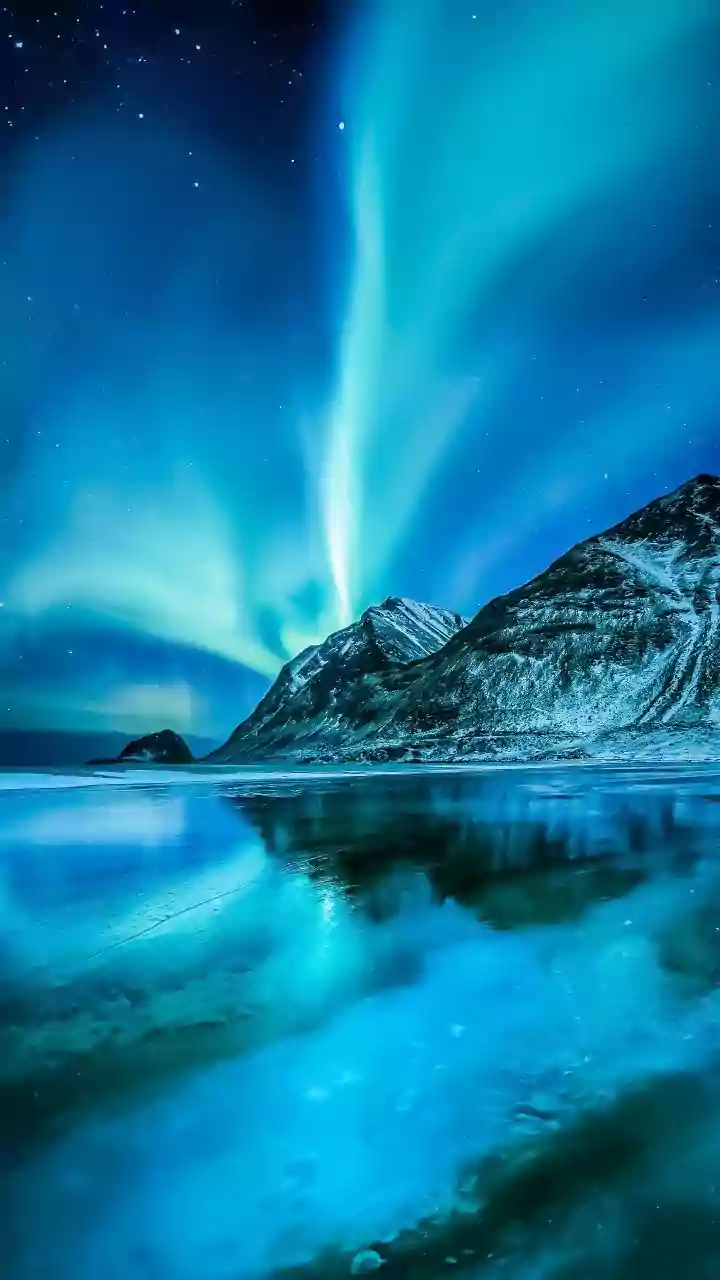
Jökulsárlón is not a typical frozen lake; it's a glacial lagoon on Iceland's south coast, and its winter beauty is dynamic and ever-changing. The lagoon is filled with massive icebergs that have broken off from the nearby Vatnajökull glacier. These ice chunks, some over 1,000 years old, float in the lagoon's chilly waters before drifting out to sea. Their colours range from translucent white to brilliant electric blue and black, the last from volcanic ash trapped in the ice. The lagoon doesn't freeze solid due to its connection to the ocean, so you can see these ice sculptures gliding through the water year-round. Nearby, the icebergs wash ashore on a black sand beach, aptly named Diamond Beach, where they glitter like jewels—a truly magical sight, especially under the winter sky, which might even feature the Northern Lights.
Lake Louise, Canada: The World's Most Scenic Rink
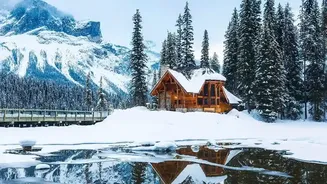
Nestled in the heart of Banff National Park, Lake Louise transforms into one of the most picturesque ice-skating rinks in the world each winter. Framed by the snow-covered Rocky Mountains and the majestic Victoria Glacier, the setting is nothing short of a fairy tale. The lake typically freezes over by December, and a large area is cleared and maintained for skating until March or April. An ice castle is often built on the lake, adding to the enchanting atmosphere. Beyond skating, visitors can enjoy horse-drawn sleigh rides, cross-country skiing, or simply walk along the frozen shoreline to soak in the serene, snow-globe-like scenery. Access is free, making it a popular and accessible way to experience the grandeur of a Canadian Rockies winter.
Lake Bled, Slovenia: A Fairytale Winter Scene
Lake Bled, with its iconic island church and clifftop castle, is stunning in any season, but a dusting of snow lends it a special kind of magic. While the lake itself rarely freezes over completely due to thermal springs, the surrounding scenery embodies a perfect winter postcard. The 6-kilometre path around the lake is perfect for a peaceful winter walk, offering constantly shifting views of the island and the snow-capped Julian Alps. Visitors can still take a traditional 'pletna' boat to the island or visit the medieval Bled Castle, which offers spectacular panoramic views from its terraces. In December, a charming Christmas market along the promenade adds to the festive, cozy atmosphere, making it an ideal destination for a low-key and romantic winter getaway.