


Meet the Planet: 55 Cancri e
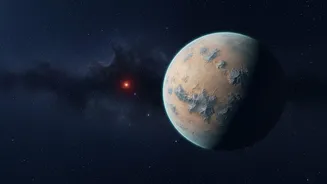
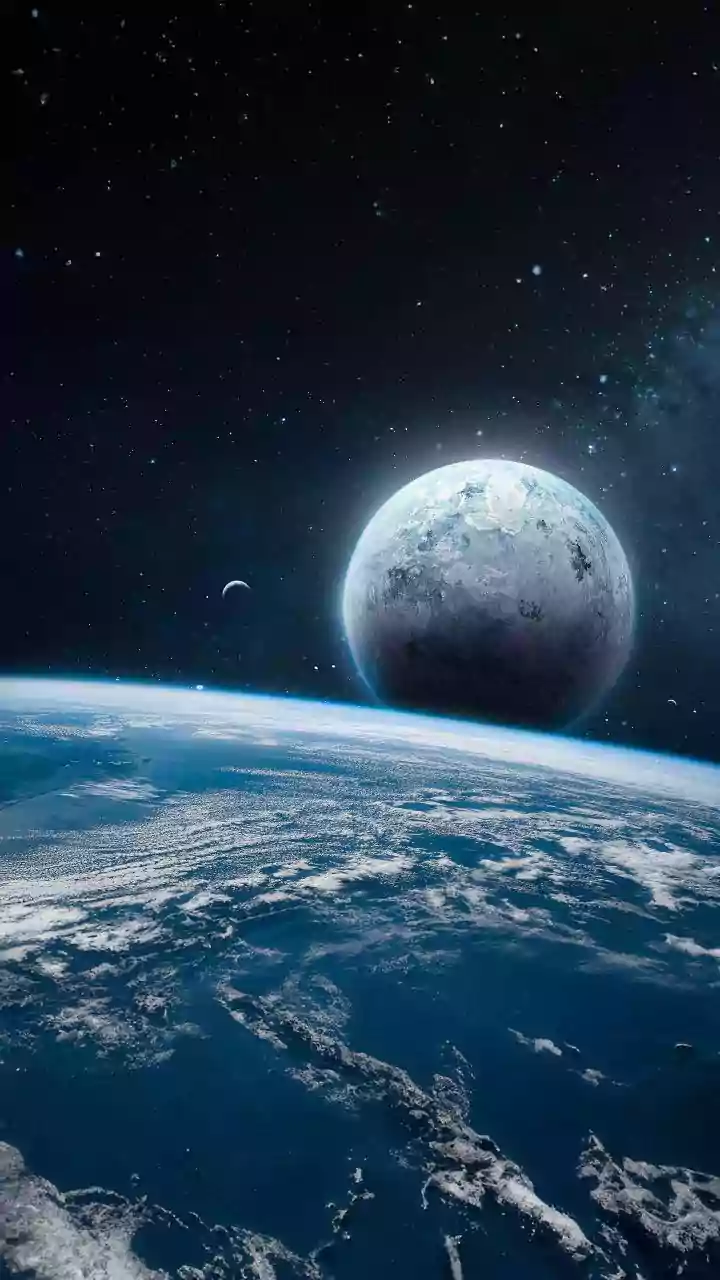
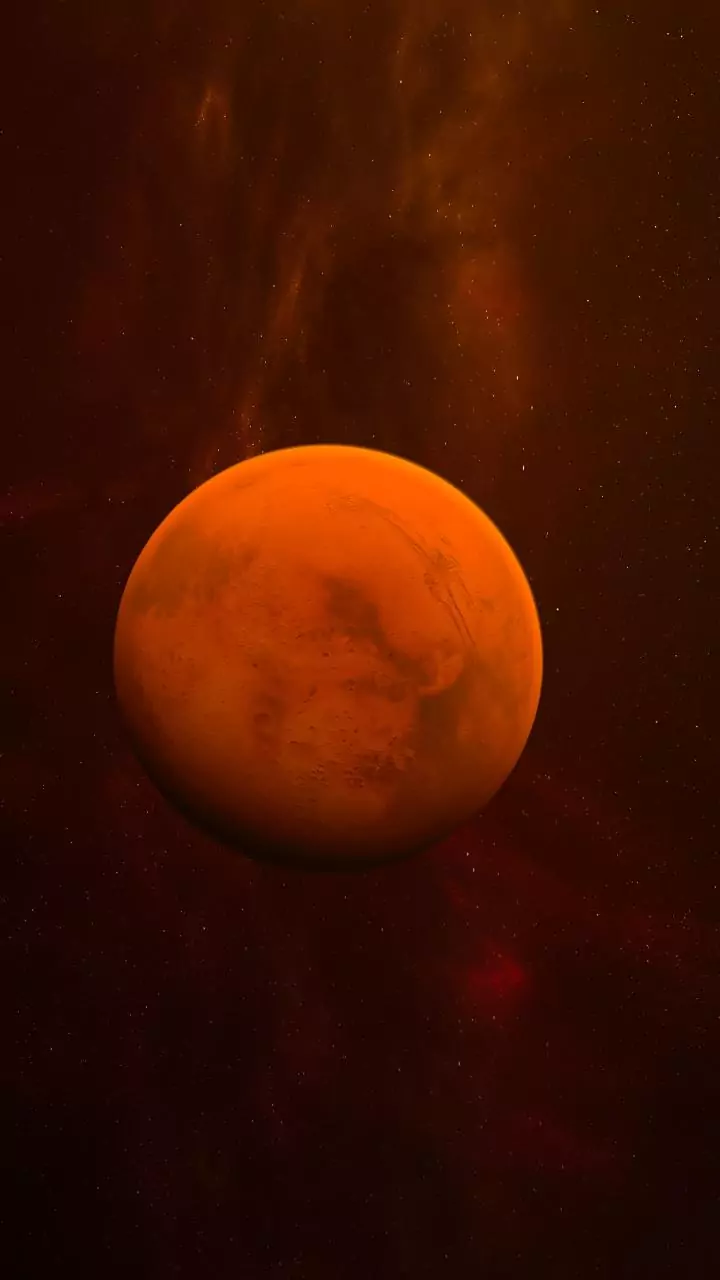
The subject of this groundbreaking discovery is an exoplanet named 55 Cancri e, located about 41 light-years away in the constellation of Cancer. This isn't a gentle, Earth-like world; it's a 'super-Earth,' nearly double our planet's diameter and with
eight times the mass. It orbits its star so closely that a full year lasts a mere 18 hours. This extreme proximity means its surface is a hellscape, likely a bubbling ocean of molten magma with temperatures soaring to around 1,540 degrees Celsius. Because of its tight orbit, the planet is also probably 'tidally locked,' with one side perpetually facing its star in endless daylight and the other shrouded in eternal night.
The Telltale Signature of an Atmosphere
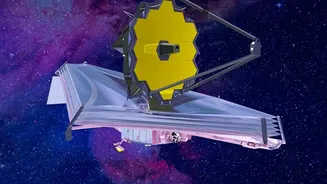
For years, astronomers have debated whether 55 Cancri e could even hold onto an atmosphere given the intense radiation from its star. Previous observations were inconclusive, suggesting it might be a bare rock or have only a thin veil of vaporised rock. Using its powerful infrared instruments, NIRCam and MIRI, the JWST was able to measure the light from the system in a new way. By observing the dip in light as the planet passed behind its star—a technique called secondary eclipse spectroscopy—scientists could isolate the infrared light coming from the planet itself. The data showed that the planet was cooler than it should be if it were just bare, molten rock. This temperature difference is a strong indicator of an atmosphere that is distributing heat. Furthermore, the telescope detected the distinct chemical signature of carbon monoxide or carbon dioxide, gases which absorb specific wavelengths of light.
A Second Chance at Having an Atmosphere
Perhaps the most fascinating part of the discovery is that this is likely a 'secondary' atmosphere. Any primordial atmosphere the planet had when it first formed would have been stripped away long ago by the intense heat and stellar wind from its parent star. Instead, scientists believe this new atmosphere is being constantly replenished from the inside out. The vast magma ocean covering the planet's surface isn't just liquid rock; it contains dissolved gases that are continuously bubbling out, or 'outgassing,' to form a thick, carbon-rich blanket. This process is similar to how volcanic activity helped shape the early atmospheres of rocky planets in our own solar system, including Earth.
Why This Discovery Matters
While 55 Cancri e is far too hot to be habitable, studying it provides an unprecedented window into planetary formation. The discovery provides the strongest evidence to date for a substantial atmosphere around a rocky planet outside our solar system. It shows that even under the most extreme conditions, a rocky world can generate and maintain a significant atmosphere. This is a crucial piece of the puzzle for scientists trying to understand the conditions that might make a planet habitable. By observing a world that may have resembled the early, molten stages of Earth, Venus, and Mars, researchers can test theories about how our own planetary neighbours evolved. It confirms that the JWST, a triumph of engineering and international collaboration, is capable of pushing the frontiers of science, allowing us to characterise the atmospheres of distant, rocky worlds in ways that were previously impossible.