
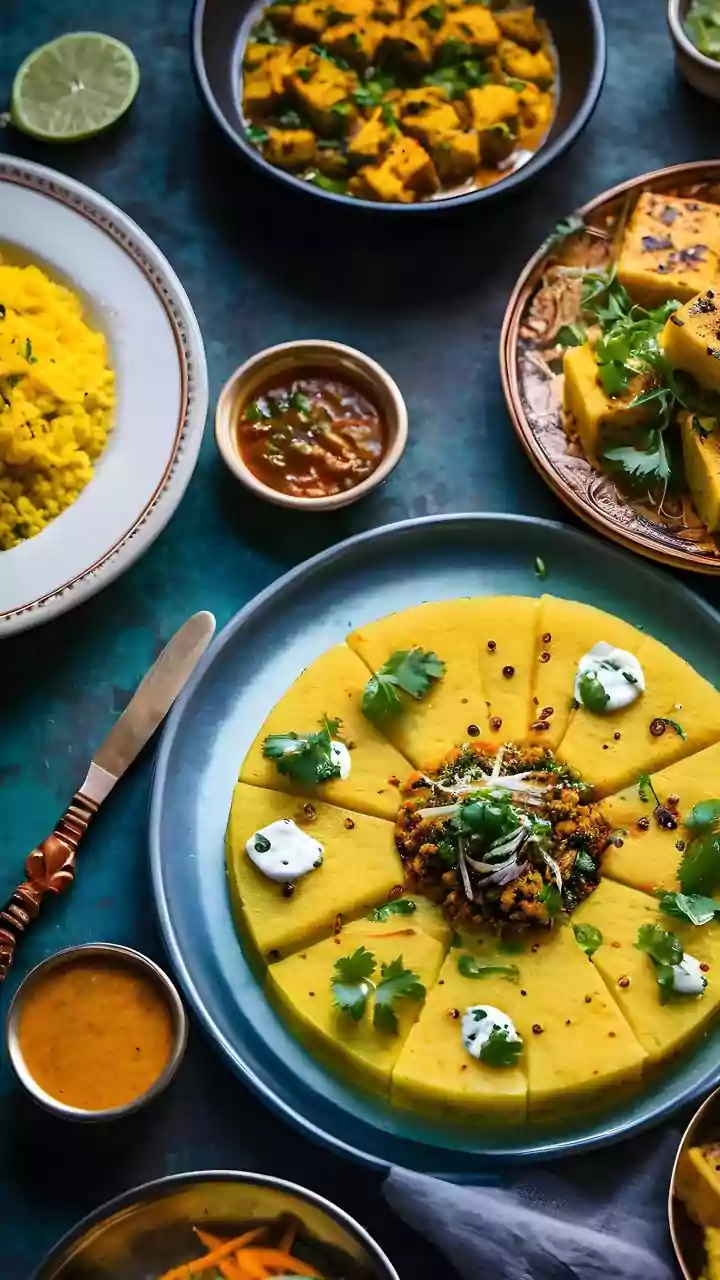






Embrace Warm, Cooked Meals
During the monsoon, the damp, cool weather can slow down our digestive fire, or 'agni', as Ayurveda calls it. This makes it harder for our bodies to process raw and heavy foods. This is why that crisp salad, so perfect in summer, might leave you feeling
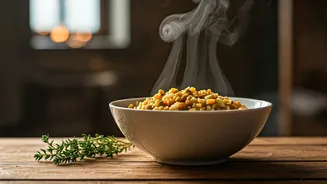
bloated now. The solution is simple: switch to warm, freshly cooked, and light meals. Think steamed vegetables, warm soups like dal or rasam, and easily digestible grains like old rice or khichdi. These foods are gentle on your stomach, provide sustained energy, and their warmth is deeply comforting, helping to balance the 'Vata' dosha (air and space elements) which gets aggravated in this season, causing issues like gas and joint pain.
Make Spices Your Best Friends
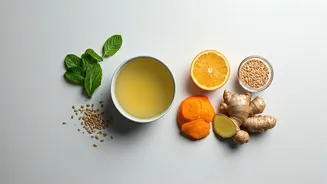
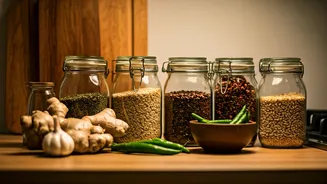
Indian kitchens are natural pharmacies, and the monsoon is the perfect time to use them. Spices aren't just for flavour; they have powerful therapeutic properties. Turmeric (haldi) is a potent anti-inflammatory and antiseptic agent. Ginger (adrak) is a superstar for digestion and fighting off colds. A pinch of black pepper (kali mirch) not only enhances flavour but also increases the bioavailability of nutrients like curcumin from turmeric. Cumin (jeera) and coriander (dhania) aid digestion. Incorporate these into your daily cooking—in your dals, sabzis, and even your chai. A simple concoction of boiled water with ginger, tulsi, and a little honey can work wonders for your throat and immunity.
Be Smart About Fruits and Vegetables
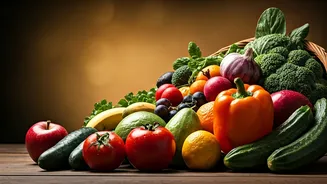
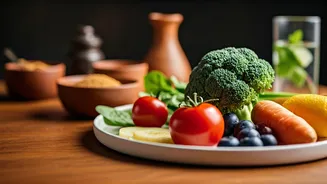
While fruits and vegetables are essential, you need to be selective during the monsoon. Leafy greens like spinach and cabbage can be tricky. The high moisture content in the air means they can easily harbour dirt, germs, and larvae. If you do eat them, ensure they are washed meticulously in clean water (perhaps with a bit of vinegar or salt) and cooked thoroughly. Opt for seasonal vegetables like bottle gourd (lauki), bitter gourd (karela), and pointed gourd (parwal). For fruits, choose seasonal options like pears, jamun, peaches, and pomegranates. It’s best to avoid pre-cut fruits from vendors, as they are highly susceptible to contamination. Also, try to avoid water-heavy fruits like watermelon, as they can increase water retention.
Hydrate, But Not Just with Water
You might feel less thirsty due to the humidity, but staying hydrated is crucial for flushing out toxins and keeping your system running smoothly. However, plain cold water can further dampen the digestive fire. The best approach is to sip on warm or room-temperature water throughout the day. To make it more effective, boil your water for at least 10 minutes to kill any microbes before storing it. You can also boost your hydration with herbal teas (like chamomile or tulsi) and thin, warm soups. These not only provide fluids but also offer additional health benefits, keeping you warm and your immunity strong from the inside out.
Rethink Street Food Cravings
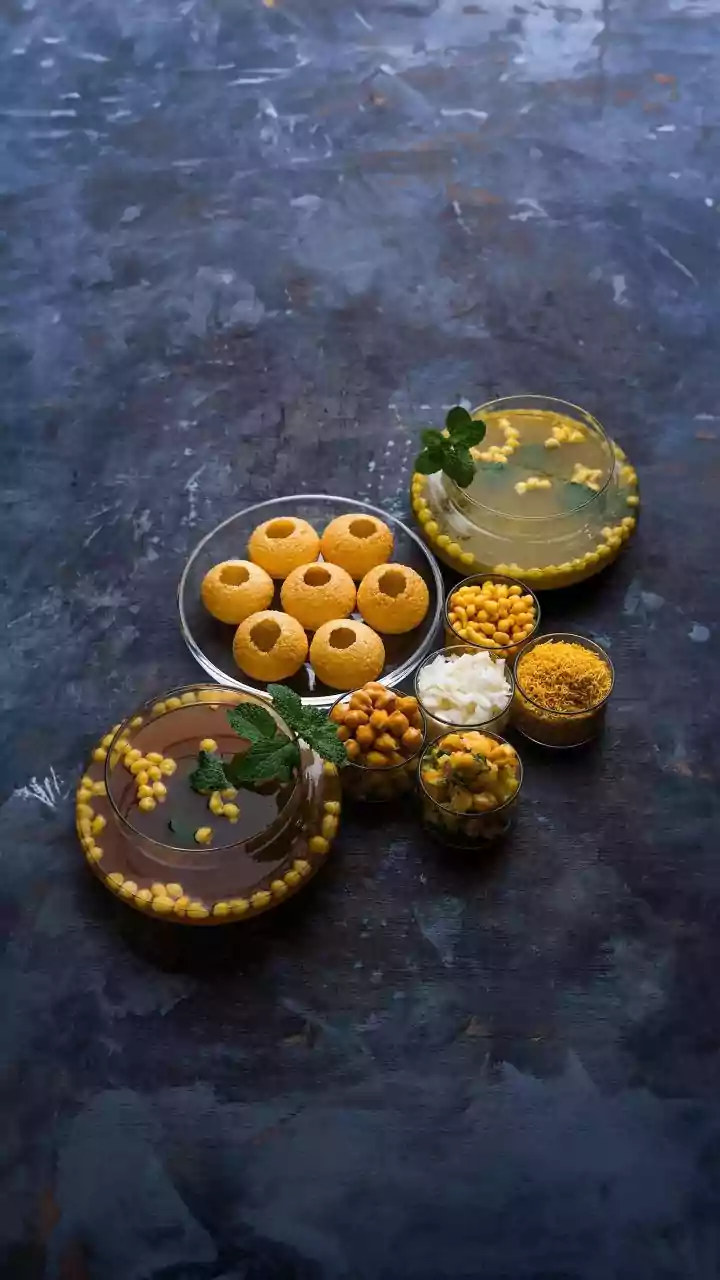
The craving for hot pakoras and spicy chaat is almost synonymous with a rainy day. While indulging once in a while is fine if it’s homemade, this is the season to be extremely cautious about street food. The water and raw ingredients used by vendors can be a major source of water-borne diseases like typhoid, cholera, and jaundice. The high humidity also allows bacteria and fungi to thrive. If the craving is irresistible, try recreating your favourite street food at home. This way, you control the quality of the ingredients, the oil, and the hygiene, getting all the flavour without the risk.
Choose Your Protein Wisely
Heavy-to-digest proteins can put a strain on your gut during the monsoon. This is particularly true for heavy red meats and even certain types of fish. The monsoon is the breeding season for many fish, which can affect their quality and increase the risk of stomach infections. Instead, opt for lighter proteins. Lentils (dal) and chickpeas are excellent choices. If you eat non-vegetarian, chicken soup or a light chicken stew is a much better option than heavy, oily curries. Yoghurt and buttermilk are great, but Ayurveda suggests it’s better to have them during the day and to avoid them at night, as they can increase phlegm.