





Why High Altitudes Strain Your Engine
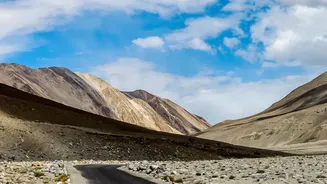
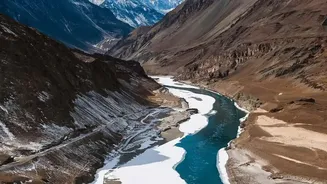
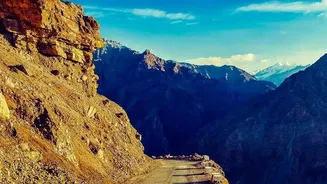
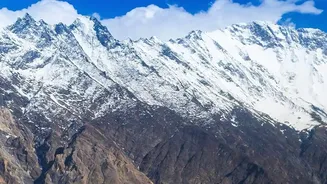
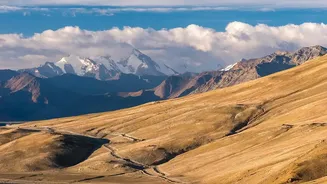
The primary challenge on the Manali-Leh highway is the altitude. As your vehicle climbs, the air becomes less dense, meaning there are fewer oxygen molecules available for combustion. This simple fact of physics has a significant impact on your engine's
performance. It receives less oxygen to mix with fuel, resulting in a loss of power, sluggish acceleration, and reduced fuel efficiency. Experts estimate a potential 3% horsepower loss for every 1,000 feet of elevation gain, which becomes substantial when crossing passes well over 5,000 meters. Modern engines have systems to compensate, but the strain is undeniable, making preparation key.
The Pre-Trip Check-up Is Non-Negotiable
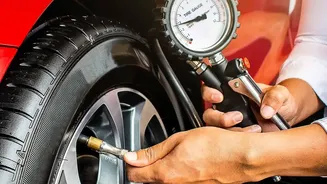
A thorough service at least a week before your trip is crucial. Focus on key systems. First, get a complete fluid check and change: fresh engine oil, coolant, brake fluid, and transmission fluid are vital. Ask your mechanic to inspect the cooling system, including the radiator and hoses, as long climbs can cause overheating. Replace dirty air and fuel filters to ensure the engine can breathe and receive clean fuel. Brakes, tyres, and the battery are also critical; ensure brake pads have sufficient thickness, tyres have adequate tread, and the battery is healthy enough to handle cold high-altitude starts.
On-the-Road Driving Techniques
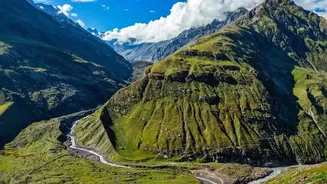
How you drive is just as important as your car’s condition. On steep inclines, use lower gears to keep the engine in its power band without excessive strain or high RPMs. This helps maintain momentum and reduces the risk of overheating. When descending, again use lower gears for engine braking. This technique helps control your speed without constantly riding the brakes, which can cause them to overheat and fail. Avoid sudden acceleration; smooth and steady inputs are gentler on the engine and drivetrain. On the treacherous water crossings and rough patches common on this route, assess the path before proceeding and drive slowly and deliberately.
Petrol vs. Diesel Engine Considerations
The choice between petrol and diesel engines for high-altitude driving involves trade-offs. Diesel engines traditionally offer better torque at low RPMs, which is beneficial for climbing steep inclines with a heavy load. However, modern BS6 diesel engines can be susceptible to Diesel Particulate Filter (DPF) clogging at high altitudes due to incomplete combustion in low-oxygen air. Petrol engines often feel smoother, start more easily in the cold, and may have fewer system warnings. Regardless of your engine type, do not compromise on fuel quality. Fill up at reliable pumps; the last one on the way from Manali is at Tandi, a crucial stop before a long stretch without any fuel stations.
Essential Spares and Emergency Kit
Given the remote nature of the highway, you are your own first responder for breakdowns. The nearest mechanic could be hundreds of kilometers away. Your emergency kit must include a complete toolkit, a reliable puncture repair kit, and an air inflator, as tyre damage is common. Carry a tow rope, jumper cables, and basic spare parts like extra fuses, wiper blades, and essential fluids (engine oil, coolant). A can of M-seal or quick-fix adhesive can be a lifesaver for minor leaks. Also, carry extra fuel in appropriate jerry cans, as the distance between fuel pumps can be vast.