

The Science of a Calmer Mind
The feeling of relief you get from having a plant on your desk is not just in your head; it's backed by science. The 'biophilia hypothesis' suggests that humans have an innate need to connect with nature. When we place natural elements in our immediate
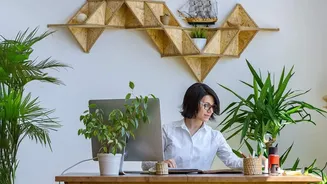
environment, our brains respond positively. Studies have shown that even a brief glance at a plant can help reduce stress, lower heart rate variability, and improve concentration. In a workspace, this translates to tangible benefits. Employees in offices with green elements report feeling more attentive, creative, and productive, with some research indicating a productivity boost of up to 15%. A small plant offers a 'micro-pause' for your eyes and mind, a momentary reset that helps combat the mental fatigue of staring at a screen all day.
More Than Green: The Power of Texture
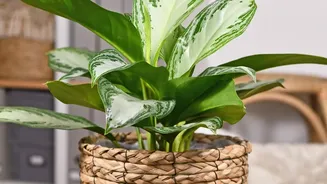
While the greenery itself is beneficial, the planter plays an equally important role in transforming your desk. The headline's mention of 'natural textures' is key. Materials like terracotta, ceramic, wood, or even woven baskets provide a tactile and visual connection to the natural world that smooth, synthetic surfaces cannot replicate. These organic textures help make a space feel warmer, more authentic, and grounded. In a small home office that might be tucked into a corner of a living room or bedroom, a planter made from natural materials can help define the workspace while also adding a layer of sensory richness. It breaks the visual monotony of plastic and metal, contributing to a more comfortable and psychologically restorative environment.
Choosing Your Green Companion
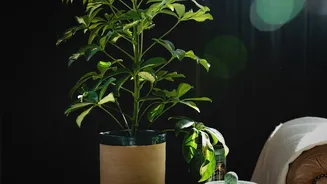
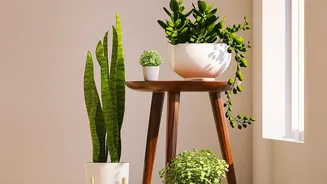
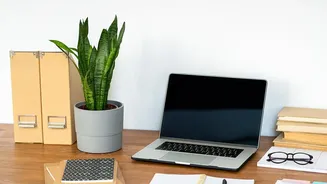
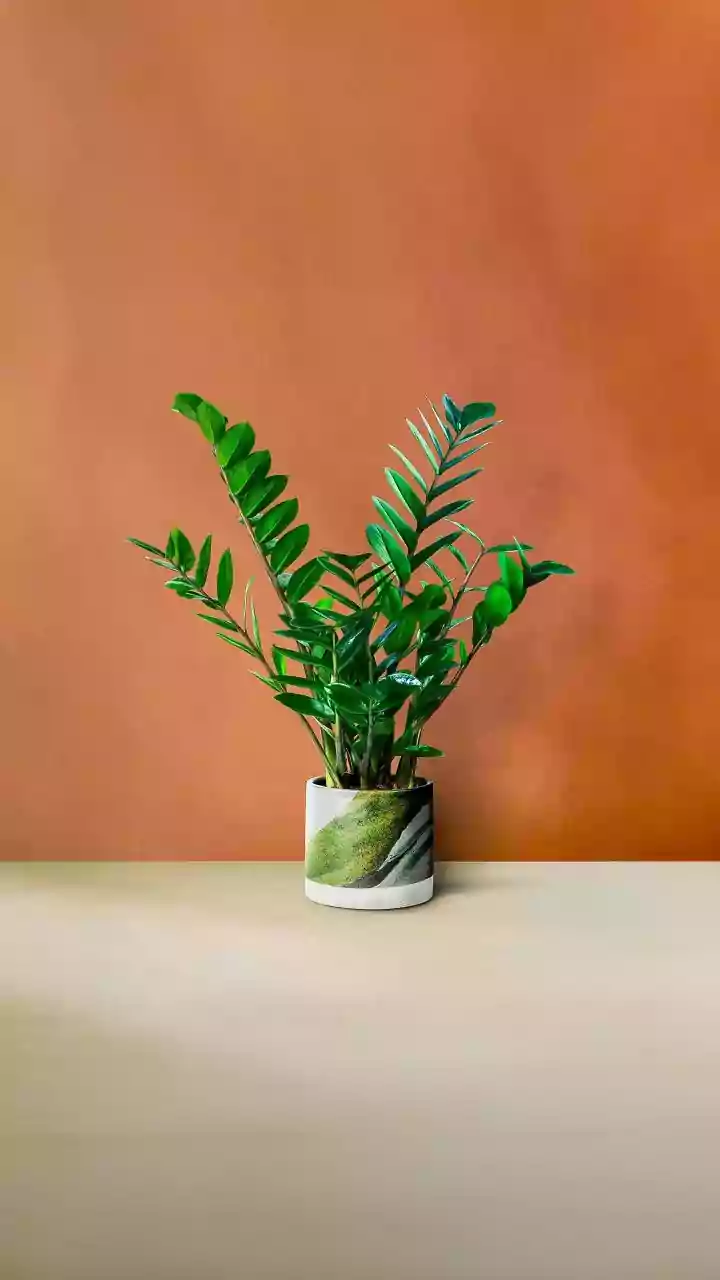
The best desk plant is one that thrives with minimal fuss. For a compact workstation, especially one that might not get direct sunlight, low-maintenance varieties are your best friends. Consider the Snake Plant (Sansevieria), which is practically indestructible and tolerates low light and infrequent watering. The ZZ Plant (Zamioculcas zamiifolia) is another excellent choice, known for its glossy leaves and ability to survive in windowless spaces. Pothos varieties are great for adding a bit of trailing greenery from a shelf above your desk, and they are very forgiving. For a splash of colour, an African Violet can bloom well under fluorescent lights. Small succulents and cacti are also perfect for tiny desks, provided they get a bit of bright light.
Finding the Perfect Planter
When selecting a planter, think about both function and form. For a small desk, size is paramount. Look for compact designs specifically made for desktops, which will house a small succulent or fern without hogging valuable real estate. The material, as discussed, adds texture. An unglazed terracotta pot offers an earthy, warm feel and is breathable for plants that need good drainage. A sleek ceramic planter can add a touch of modern elegance. Consider the overall aesthetic of your workspace. A minimalist setup might call for a simple, matte white or concrete-finish pot, while a more eclectic space could accommodate a planter with a unique glaze or sculptural shape. Always ensure your planter has a drainage hole or use a cachepot system (a decorative outer pot without a hole) to prevent waterlogging your plant's roots.
Integrating Your Plant Seamlessly
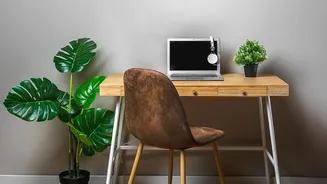
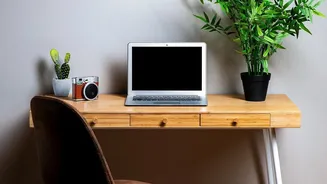
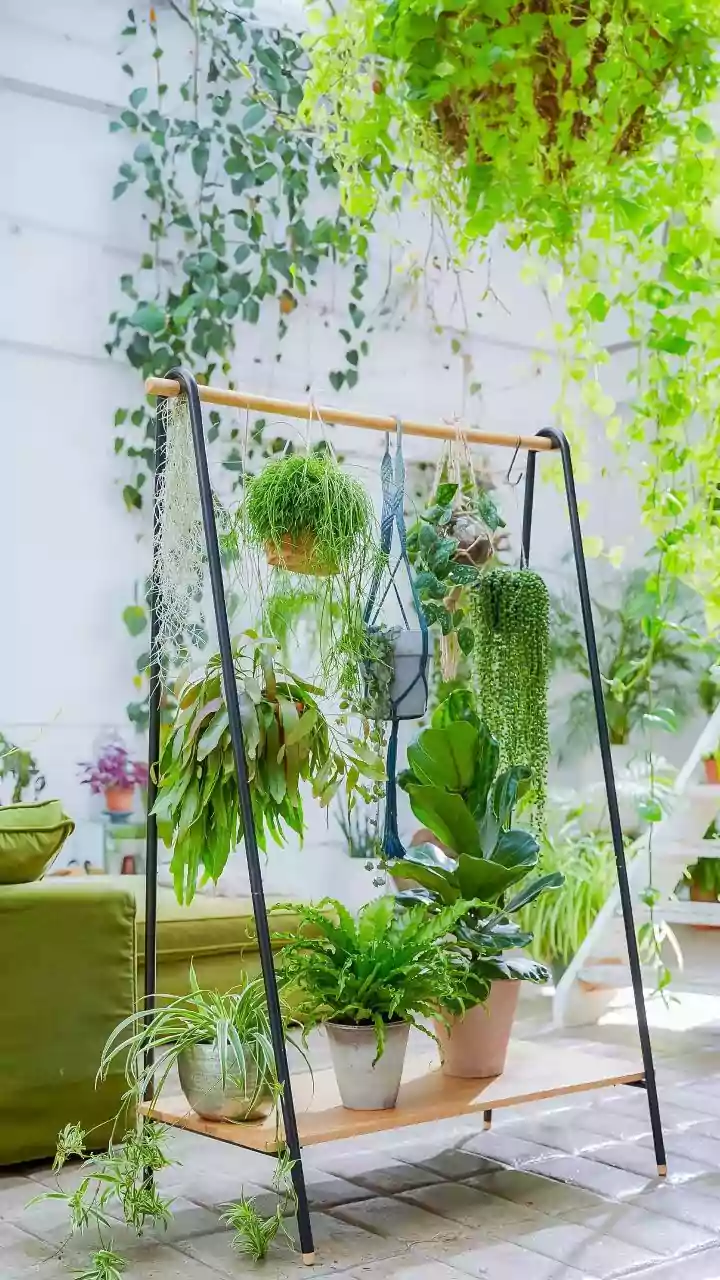
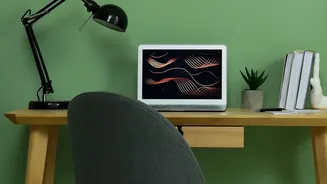
Placement is everything on a compact desk. You want the calming benefits without the plant getting in your way. A great spot is the corner of your desk, just within your line of sight but away from your primary mouse and keyboard area. If you have a monitor stand, the space underneath can be a perfect home for a small, low-light plant. Trailing plants like English Ivy or Pothos can be placed on a small shelf above the desk, allowing the foliage to cascade down without cluttering your work surface. Don't be afraid to style it. A beautiful plant can be the anchor for other simple, calming desk accessories like a wooden pen holder or a ceramic mug, creating a small, intentional vignette that makes your entire workstation feel more personal and serene.