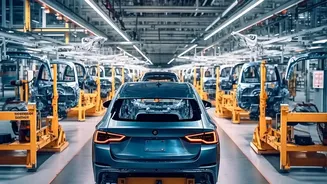

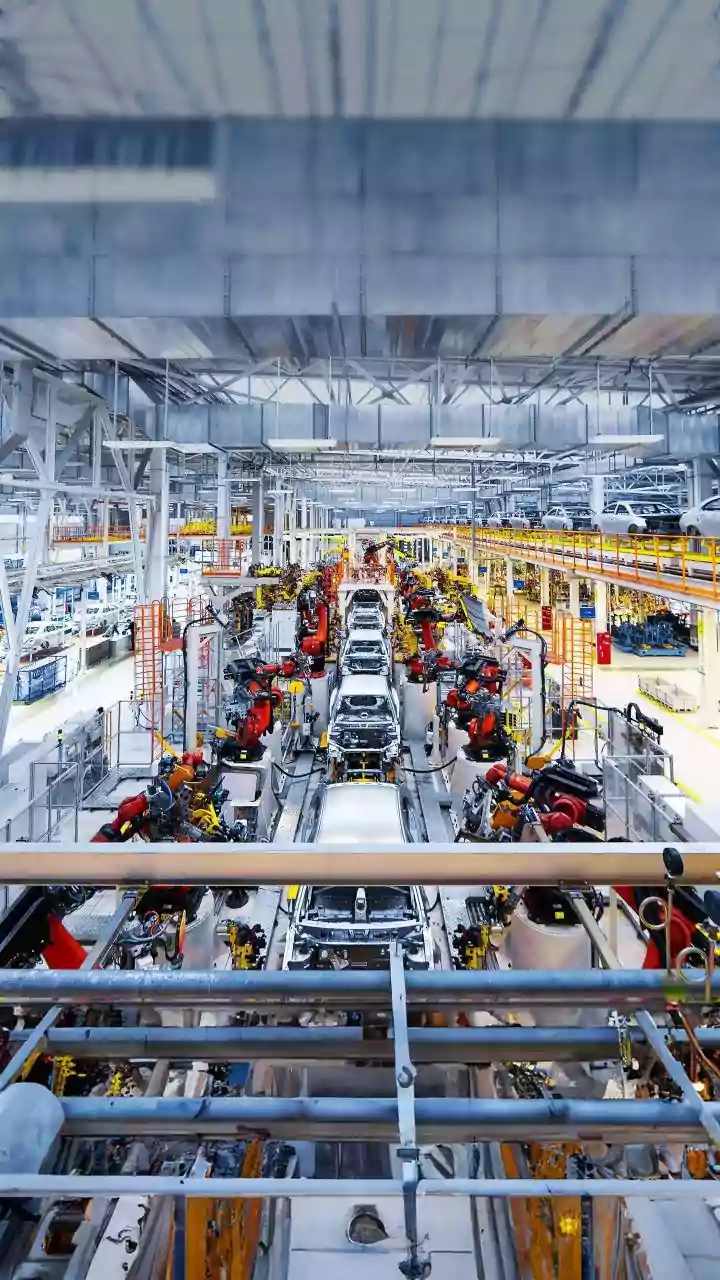
A major strategic pivot is underway at Tesla's massive Texas Gigafactory. The company is reallocating factory floor space to prioritize its futuristic, autonomous Cybercab, signaling a profound shift from selling cars to creating a new kind of taxi service.
From Cybertruck to Cybercab
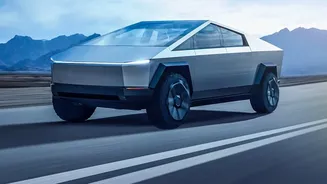
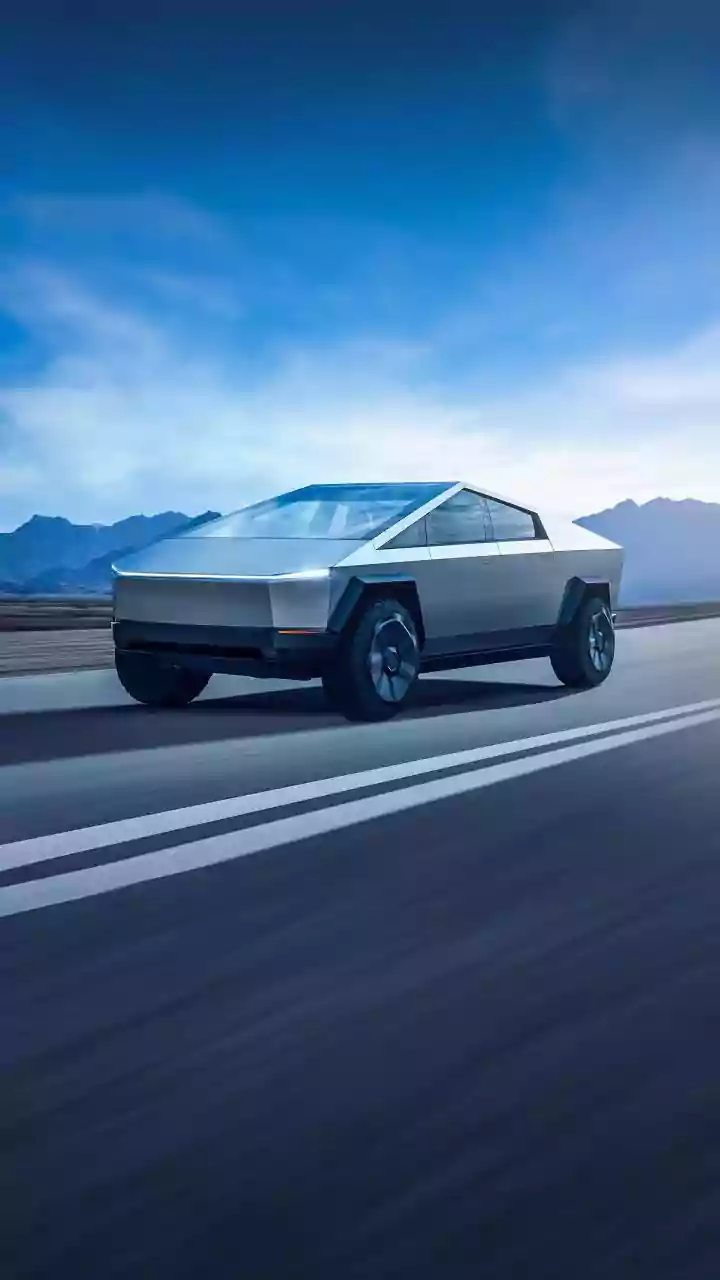
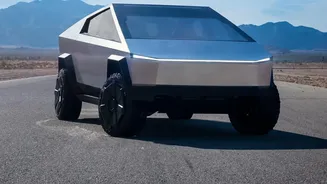
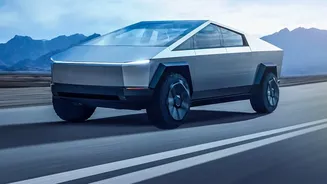
Tesla has confirmed it will begin winding down production of its polarizing Cybertruck at the Gigafactory in Austin, Texas, around mid-2027. The reason, according to CEO Elon Musk, is to free up crucial manufacturing space and personnel for a vehicle he sees as far more transformational: the Cybercab. This decision marks a significant strategic pivot. The Cybertruck, despite its high-profile launch and initial hype, struggled to convert over a million reservations into sustained mass-market sales. With production running at a fraction of the line's capacity, reallocating the space for the Cybercab became a logical business decision. This is not just a model swap; it represents Tesla betting its future less on niche consumer vehicles and more on building a global autonomous transportation network.
What Exactly Is a Cybercab?
The Cybercab is a purpose-built robotaxi, designed from the ground up for autonomous ride-hailing. Unveiled in October 2024, the vehicle is a radical departure from conventional cars. It's a compact two-seater featuring butterfly doors and, most notably, no steering wheel, pedals, or mirrors. Its sole purpose is to operate on Tesla's developing Robotaxi network, which has already launched in several Texas cities, including Austin, Dallas, and Houston, as well as parts of Florida. While the initial service used modified Model Y SUVs, the purpose-built Cybercabs began joining the fleet in Austin in September 2026. The vehicle is engineered for extreme efficiency and low operating costs, with Tesla targeting a cost-per-mile that would be significantly cheaper than traditional ride-sharing.
The Master Plan: An Autonomous Fleet
The focus on Cybercab production is the most tangible evidence yet of Elon Musk's long-stated goal to transform Tesla into an AI and robotics company, not just a car manufacturer. The ultimate vision is a global, shared autonomous fleet where Tesla owns and operates many of the vehicles, generating recurring high-margin revenue. By prioritizing factory capacity for the Cybercab, Tesla is building the 'workhorse' for this network. The company already has an installed annual capacity for over 125,000 Cybercabs at Giga Texas, a figure that is expected to grow significantly once the Cybertruck line is repurposed. This move shifts Tesla’s business model from one-time vehicle sales toward a continuous service-based income stream, a strategy that is highly attractive to investors.
Significant Hurdles Remain
Despite the manufacturing pivot, the road to a fully autonomous transportation network is fraught with challenges. The technology behind Tesla's Full Self Driving (FSD) system is still under development and intense regulatory scrutiny. Since the paid service began, Tesla's robotaxis have been investigated by the National Highway Traffic Safety Administration (NHTSA) for incidents involving traffic violations and erratic behavior. The Cybercab itself, being a vehicle with no manual controls, is undergoing a separate NHTSA audit regarding its federal safety standard self_certification. Scaling the service from a few cities to a global network requires not only technological perfection but also clearing a complex web of local, state, and federal regulations, a process that has historically proven to be slow and unpredictable.
What This Means for Tesla's Future
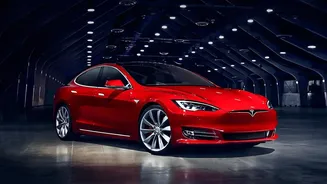
Prioritizing the Cybercab clarifies Tesla's direction for the next decade. While consumer vehicles like the Model 3 and Model Y will remain core products, the company's primary growth engine is envisioned to be autonomy. The winding down of the Cybertruck line, once hailed as a revolutionary product, demonstrates a willingness to make difficult choices in service of that larger goal. For consumers, this means the focus is less on creating a wide variety of personal vehicles and more on perfecting the few that power its autonomous network. For the industry, it's a clear signal that the race is on to solve not just electric transportation, but autonomous mobility as a service. Tesla is now arranging its factory floor to match that ambition.