



Artemis II: Humanity Returns to the Moon
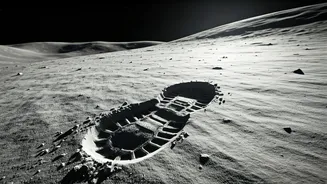
The most anticipated mission of the year is undoubtedly NASA's Artemis II. In April 2026, the mission sent four astronauts on a ten-day journey around the Moon, marking the first time humans have traveled that far into space since the Apollo 17 mission in 1972.
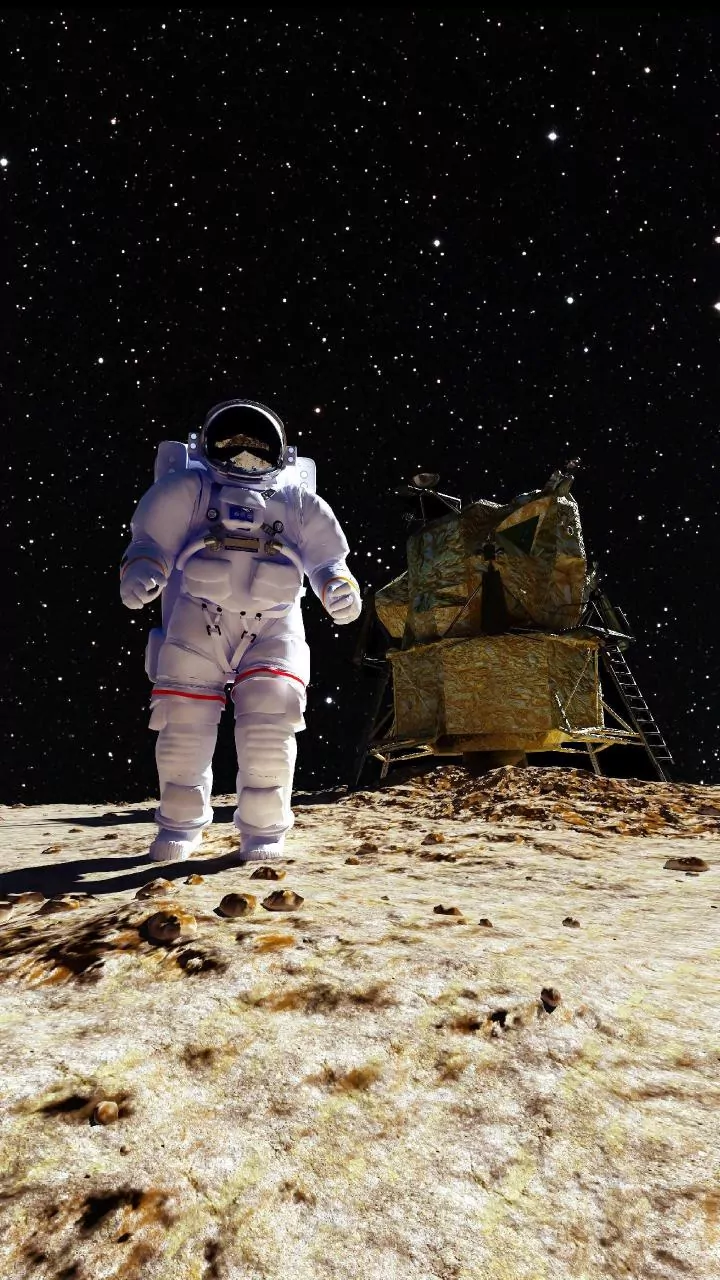
[2, 9, 10, 14] While not a landing, this crucial flight tested the Orion spacecraft's life-support, communication, and navigation systems, paving the way for future lunar landings. [10, 19] The crew, consisting of NASA astronauts Reid Wiseman, Victor Glover, Christina Koch, and Canadian Space Agency astronaut Jeremy Hansen, named their Orion capsule 'Integrity' and captured stunning imagery, including a new 'Earthset' photo. [2, 10]
China's Ambitious Lunar and Asteroid Missions
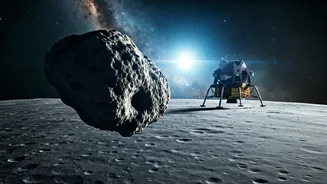
China is also making significant strides with a packed 2026 schedule. The Chang'e-7 mission, planned for late in the year, will head to the Moon's south pole. [2, 3] This complex mission includes an orbiter, lander, rover, and a unique mini-flying probe designed to hop into shadowed craters to search for water ice. [2, 24] Beyond the Moon, China's Tianwen-2 mission is set to approach and study the near-Earth asteroid Kamoʻoalewa. [2, 4, 5] The country also continues its human spaceflight program with missions like Shenzhou-23 to its Tiangong space station. [5, 15]
ISRO's Gaganyaan and a Flurry of Launches
The Indian Space Research Organisation (ISRO) is set for a busy period, with numerous missions planned. A key highlight is the Gaganyaan-1, the first uncrewed orbital test flight of India's human-rated spacecraft, which is a critical step towards India's ambitious human spaceflight program. [2, 19] ISRO has laid out a roadmap that includes a mix of commercial satellite launches, technology demonstrators, and earth observation missions, aiming to significantly scale up its launch cadence and strengthen India's space capabilities. [6, 18, 20]
A Fleet Heads to Mars and Beyond
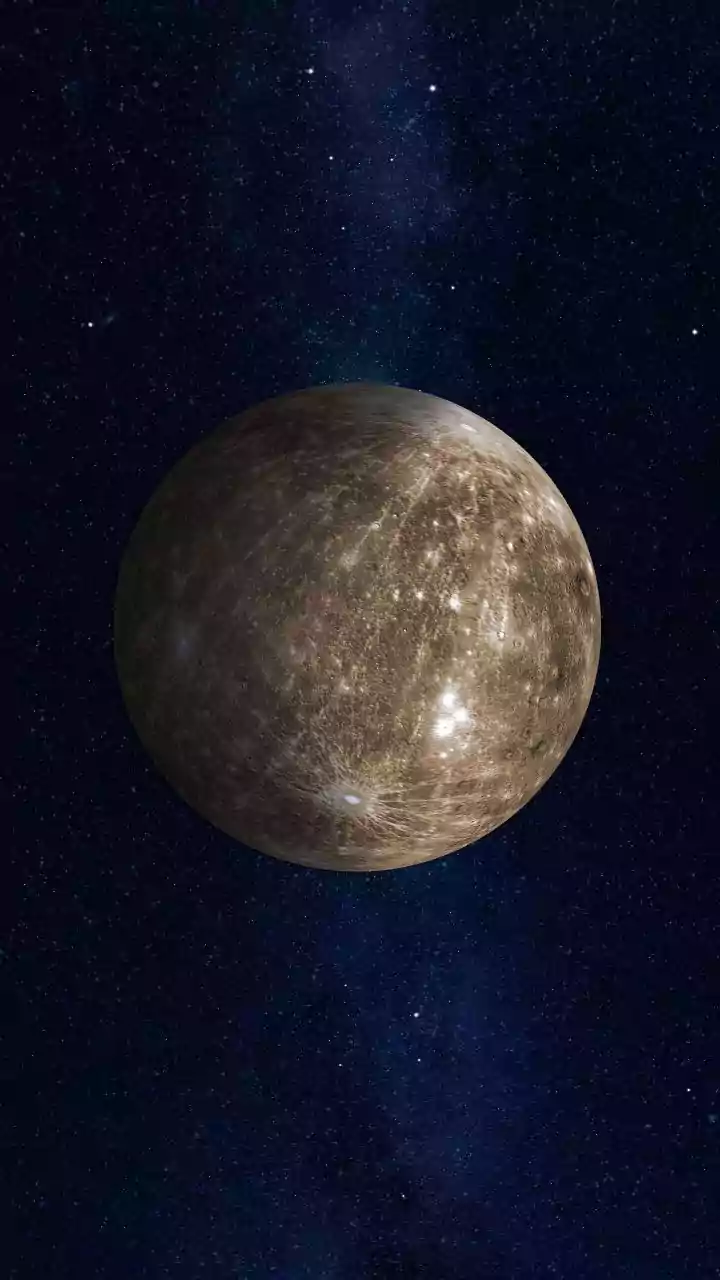
The Red Planet remains a key target. Japan's Martian Moons eXploration (MMX) mission is scheduled to launch in late 2026, aiming to study Mars's moons, Phobos and Deimos, and return a sample from Phobos. [3, 11, 23] Meanwhile, NASA’s twin ESCAPADE spacecraft will begin their journey toward Mars to study its unique magnetosphere. [2, 11] Although SpaceX has announced delays for its ambitious uncrewed Starship missions to Mars to focus on lunar projects, the groundwork for future interplanetary travel continues. [11, 22] Elsewhere in the solar system, the joint ESA-JAXA BepiColombo mission is expected to finally enter orbit around Mercury in late 2026, and ESA's Hera spacecraft will arrive at the asteroid Didymos to study the aftermath of the DART impact test. [3, 23]
The Rise of Private Space Stations and Landers
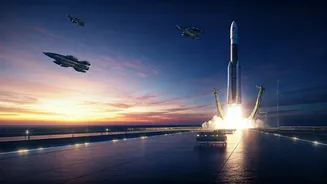
The commercialization of space is accelerating dramatically. In 2026, a fleet of private lunar landers from companies like Blue Origin, Intuitive Machines, and Firefly Aerospace are planning to touch down on the Moon, many under NASA's Commercial Lunar Payload Services (CLPS) program. [16, 25] Blue Origin plans to launch its Blue Moon Pathfinder to test landing technologies near the south pole. [2, 13] Looking to Low Earth Orbit, companies like Vast Space are aiming to launch the first modules of private space stations, such as Haven-1, heralding a new economy in orbit as the International Space Station nears retirement. [19, 27]