





Why Monsoon Disrupts Your Travel
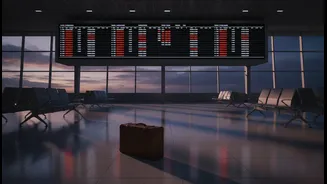
The Indian monsoon, while essential for the subcontinent, is a challenging season for aviation. It’s not just the rain itself. Heavy downpours can lead to waterlogging on runways, while associated thunderstorms bring low visibility, strong crosswinds,
and lightning. Airports, especially coastal ones like Mumbai, are particularly vulnerable to these disruptions, which cause a cascade of delays, diversions, and cancellations across the country's flight network. Modern aircraft are built to handle severe weather, but safety regulations are strict; air traffic control will not allow takeoffs or landings if conditions are deemed dangerous. This is why booking early morning flights can be a strategic advantage, as storms often build up and cause cascading delays throughout the afternoon and evening.
Your First Move: Become a Meticulous Note-Taker
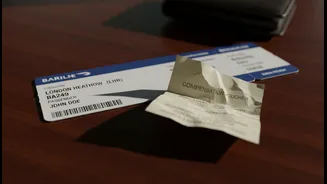
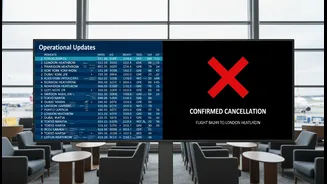
When your flight is disrupted, your smartphone is your most powerful tool. The moment a delay or cancellation is announced, switch from passenger mode to investigator mode. Start by taking clear photos or videos of the departure boards showing the changed status. Note down the time of the announcement and, if possible, get the reason for the disruption in writing from airline staff. Many airlines have forms or statements they can provide. Keep a log of every interaction: the time you spoke to an employee, their name, and what they promised. Save all emails and SMS notifications from the airline. This digital paper trail is not about winning an argument at the counter; it's about building a solid case for compensation or a refund later.
Know Your Rights Under DGCA Rules
India’s Directorate General of Civil Aviation (DGCA) has a Passenger Charter that outlines airline obligations. While airlines are often exempt from paying cash compensation for weather-related (force majeure) events, they are not exempt from providing care. If your flight is cancelled, the airline must offer you the choice between a full refund or an alternative flight. For significant delays (typically over two hours), you are entitled to meals and refreshments. If a delay results in an overnight stay, the airline is obligated to provide hotel accommodation and transfers. Knowing these basic rights prevents you from being short-changed in a chaotic situation.
Avoid These Common Costly Mistakes
In a state of panic, travellers often make poor financial decisions. The most common mistake is immediately booking an expensive ticket on another airline without first securing a refund or confirmation from the original carrier. Another pitfall is accepting a travel voucher when you are entitled to a full cash refund to your original payment method. Leaving the airport without getting written confirmation of the cancellation or delay status also weakens your position for any future claims. Frustration is understandable, but yelling at ground staff is counterproductive. A calm, informed approach, backed by your own documentation, is far more effective at getting the resolution you are entitled to.
The Right Way to Escalate Your Issue
If the airline is not providing the care mandated by DGCA rules, follow a clear escalation path. First, try to resolve the issue with the airline's airport manager or senior staff. If you get nowhere, your next step is to file a formal complaint through the airline's own website or customer service portal. If you don't receive a satisfactory response within 30 days, escalate the matter to AirSewa, the official grievance redressal platform from the Ministry of Civil Aviation. You can file a complaint on the AirSewa website (airsewa.gov.in) or mobile app by providing your flight details and attaching the evidence you so carefully collected. This process ensures your complaint is officially logged and tracked.