


The Silent Threat of Stagnation
In the world of container gardening, 'stagnation' refers to any water that sits still for too long. This includes the obvious puddle in a plant saucer but also, more insidiously, waterlogged soil deep inside a pot. When water has nowhere to go, it loses
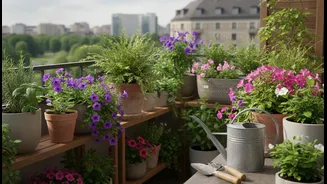
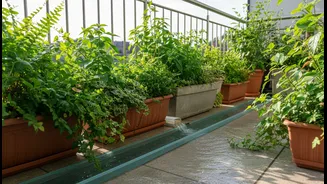
oxygen and creates an environment where problems begin to multiply, hidden from view until it’s often too late. On a balcony, where containers are exposed to fluctuating heat and airflow, the balance between hydration and drainage is especially delicate. What seems like a helpful reservoir of water quickly becomes a liability, undermining the health of your plants from the roots up.
Root Rot: The Underground Enemy
The most direct consequence of stagnant water is root rot. Plant roots need oxygen to function, but waterlogged soil suffocates them. This lack of oxygen not only stresses the plant but creates the perfect breeding ground for fungi and bacteria that are naturally present in the soil. These pathogens attack the weakened roots, turning them from firm and white to soft, brown, and mushy. Above ground, the plant may show signs like yellowing leaves, wilting, or stunted growth — symptoms that can be confusingly similar to underwatering. By the time these signs appear, significant damage has often already occurred below the surface.
A Welcome Mat for Pests
Beyond plant health, standing water is a public invitation for pests, most notably mosquitoes. It takes very little still water for mosquitoes to lay their eggs, and a saucer full of water is an ideal nursery. In warm weather, the lifecycle from egg to biting adult can be completed in as little as a week. This turns your relaxing balcony retreat into a source of nuisance and potential health risk. Additionally, overly moist soil attracts fungus gnats, small flies that thrive in damp organic matter. While less harmful than mosquitoes, their presence is a clear indicator that your soil is too wet.
Your First Defence: The Right Pot and Soil
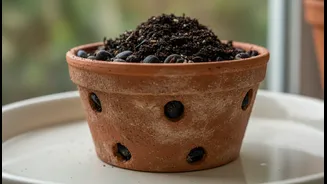
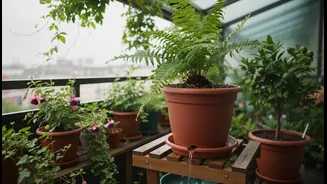
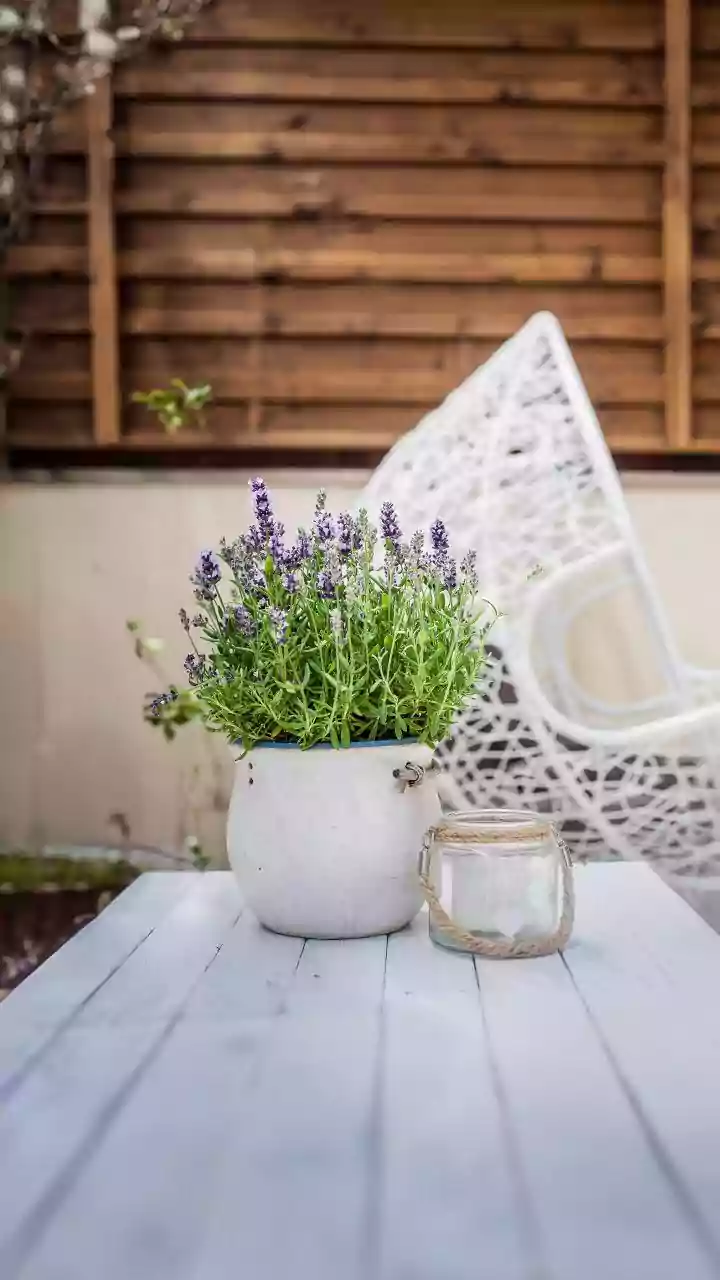
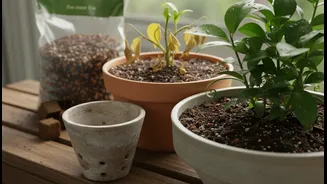
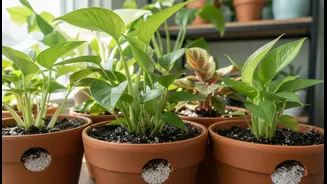
The no-stagnation rule begins with your setup. First, ensure every pot has drainage holes. This is non-negotiable for preventing waterlogged soil. If you fall in love with a decorative pot that has no holes, use it as a cachepot by placing a smaller pot with drainage inside it. Second, use the right soil. Garden soil is too heavy and compacts easily in containers. Opt for a high-quality, lightweight potting mix specifically designed for containers, which often contains ingredients like perlite or coco coir to improve aeration and drainage. Many experts now advise against adding a layer of gravel to the bottom of pots, as it can actually raise the water table and bring the saturated zone closer to the roots.
Mastering the Art of Watering
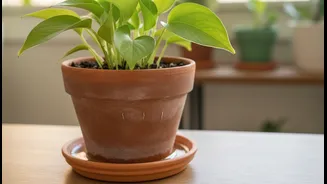
Implementing the no-stagnation rule requires a shift in watering habits. Instead of watering on a rigid schedule, check if your plants actually need it. The common advice to check if the top inch of soil is dry can be misleading, as the soil deeper down can still be saturated. A better method is to feel the soil a few inches deep or to gauge the weight of the pot. When you do water, do so thoroughly until water runs out of the drainage holes. Then, the most crucial step: about 15-30 minutes later, empty any excess water from the saucer. Never let a pot sit in a full saucer for an extended period. For an extra layer of protection, you can use pot feet to elevate your containers, allowing air to circulate underneath and ensuring water can drain freely.