



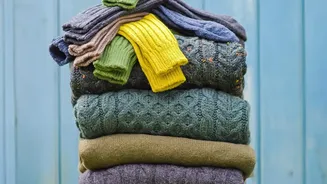
Woollen clothes are a winter wardrobe staple, prized for their warmth and durability. Yet, the fear of shrinking or ruining them in the wash is real. This guide demystifies wool care, offering simple, effective methods to keep them pristine.
Why Wool Needs Special Care
Understanding
why wool is delicate is the first step to proper care. Wool fibres are covered in microscopic scales, similar to tiles on a roof. When exposed to the triple threat of heat, moisture, and agitation, these scales can open up and lock together permanently. This irreversible process, called felting, is what causes wool garments to shrink and become dense. It's not a flaw in the fabric, but an inherent property of the natural fibre. By controlling these three factors—especially heat and friction—you can easily prevent damage and keep your woollens soft and perfectly shaped for years.
To Wash or Not to Wash?
Before you even think about washing, ask if it's necessary. Wool is naturally breathable and odour-resistant, meaning it requires far less washing than cotton or synthetic fabrics. Often, simply airing a jumper out between wears is enough to refresh it. A good rule of thumb is to wash woollens only when they are visibly stained or after every 5-10 wears, depending on use. Over-washing can strip the fibres of their natural protective oils, leading to a stiffer texture. For minor spills, spot-cleaning with a dab of wool-safe detergent is often a better alternative to a full wash.
Choosing the Right Detergent
Standard laundry detergents can be disastrous for wool. Many contain enzymes designed to break down protein-based stains, but since wool itself is a protein fibre, these detergents can cause damage. Always opt for a pH-neutral, mild liquid detergent specifically formulated for wool and delicates. These gentle formulas clean effectively without stripping the fibres or causing them to felt. In the Indian market, several brands offer specialised wool washes that work well even in hard water conditions. If you're in a pinch, a small amount of gentle baby shampoo can also work as a substitute.
Hand-Washing: The Safest Method
Hand_washing is the gentlest and most reliable way to clean wool. Start by filling a basin with clean, lukewarm water—never hot, and ideally no warmer than 30°C. Add your wool_safe detergent and swish to dissolve. Turn the garment inside out, submerge it, and gently squeeze and swirl the water through it. Avoid vigorous rubbing or twisting, which causes felting. Let it soak for about 10_15 minutes, then drain the soapy water. Rinse by refilling the basin with clean, cool water and gently pressing the garment until all suds are gone. Repeat the rinse process if necessary.
Using the Washing Machine Safely
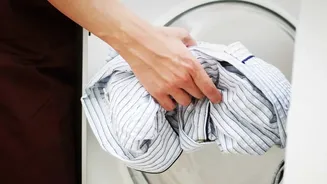
If your garment's care label permits machine washing, you can proceed with caution. First, turn the item inside out and place it in a mesh laundry bag to protect it from snagging and excessive friction. Select your machine’s 'wool,' 'delicate,' or 'hand wash' cycle, which uses minimal agitation. Crucially, ensure the water temperature is set to cold (or a maximum of 30°C) and use the lowest possible spin speed—no more than 600 RPM is ideal. Even on a gentle cycle, high_speed spinning can stretch and damage the fibres.
The Art of Drying Wool Correctly
How you dry your wool is just as important as how you wash it. Never put wool in a tumble dryer, as the heat will cause irreversible shrinkage. And never hang a wet woollen garment, as the weight of the water will stretch it out of shape. The correct method is to lay the garment flat. First, gently squeeze out excess water without wringing. Then, lay the item on a clean, dry towel. Roll the towel and garment together, pressing firmly to absorb more moisture. Finally, unroll and lay the garment flat on a fresh towel or a mesh drying rack away from direct sunlight or heat. Reshape it while damp, gently coaxing the shoulders, hem, and sleeves back into their proper dimensions.