







The Paradox of Plenty
Arunachal Pradesh, the ‘land of dawn-lit mountains’, is an agricultural powerhouse in waiting. Its diverse agro-climatic zones yield a rich harvest of fruits and vegetables, including being India's largest producer of kiwi and a major source of oranges,
pineapples, and large cardamom. However, this abundance has long been shadowed by a critical problem: post-harvest loss. Due to the state's hilly terrain, limited road connectivity, and a severe lack of cold storage and processing facilities, a significant portion of perishable produce would spoil before it could ever find a market. This logistical nightmare translated into lost income for the state's farmers, who are the backbone of the local economy. For decades, the challenge has been not how to grow, but how to get the produce out, intact and valuable.
A Hub-and-Spoke Solution
Enter the Mega Food Park, a concept designed by the Ministry of Food Processing Industries to create a seamless link between farms and markets. The newly inaugurated Rongoge Mega Food Park at Dolikoto, Banderdewa, is Arunachal Pradesh's answer to its long-standing supply chain woes. The model is based on a 'hub-and-spoke' system. The 'spokes' are Primary Processing Centres (PPCs) and Collection Centres (CCs) located in farming belts. Here, farmers can bring their produce for sorting, grading, and initial storage. The 'hub' is the Central Processing Centre (CPC) — the Mega Food Park itself — a large, modern facility where the aggregated produce is brought for value-added processing. This structure is designed to drastically reduce wastage at the source and ensure a steady supply of quality raw material for processors.
From Farm to National Fork
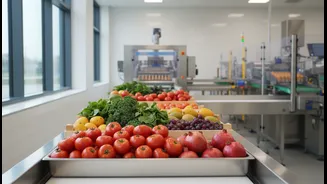
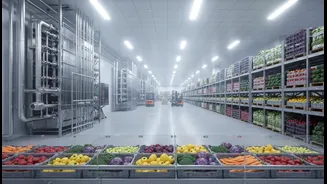
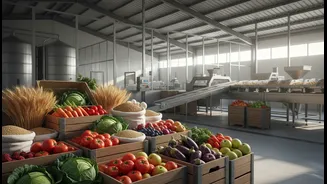
The Rongoge Mega Food Park is more than just a place to stop fruit from rotting; it's an ecosystem for value addition. Spread across 75 acres, the park provides state-of-the-art infrastructure that individual entrepreneurs would struggle to afford on their own. This includes cold storage, warehouses, quality control labs, and advanced processing lines for making juices, jams, pickles, fruit preserves, and individually quick-frozen (IQF) products. By converting perishable fruits and vegetables into processed goods with a longer shelf life, the park fundamentally changes the economic equation. A kiwi that might have spoiled on a truck can now become a packaged juice, ready for shipment to urban centers like Guwahati, Kolkata, and beyond. This process not only preserves the food but significantly increases its market value.
Transforming Livelihoods and the Economy
The impact of the Mega Food Park extends far beyond the facility's walls. For farmers, it promises better prices and a reliable buyer, reducing their dependence on intermediaries and fluctuating market conditions. The project is expected to directly and indirectly benefit tens of thousands of farmers across the state. Furthermore, the park is set to become a major industrial hub, attracting private investment and creating thousands of direct and indirect jobs in rural areas. Lead promoter Likha Maj noted that around 35 industries, including major national brands like Haldiram and Varun Beverages, are expected to set up units within the park. This influx of industrial activity aims to boost entrepreneurship and strengthen Arunachal's revenue base, fostering a more self-reliant economy.