
A Festival Steeped in Sweetness
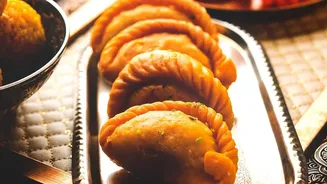
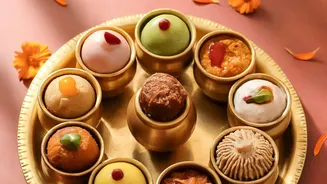
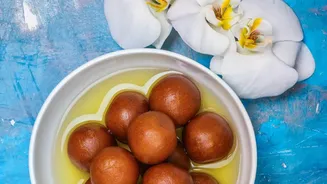
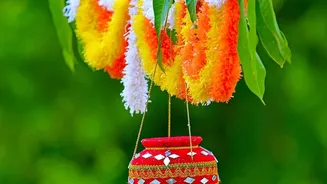
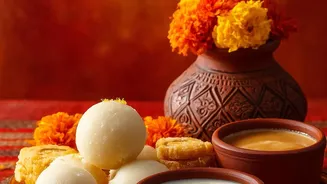
Janmashtami, which celebrates the birth of Lord Krishna, is a festival where food is central to the devotion. The concept of 'bhog'—a food offering to the deity—is paramount. Traditionally, this includes an array of milk-based sweets and rich preparations
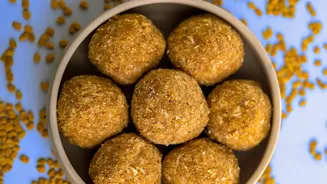
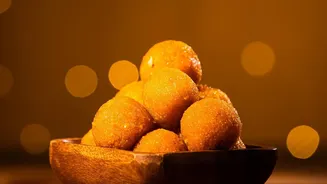
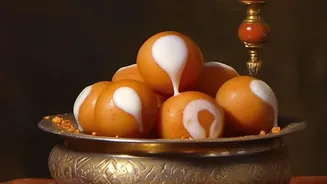
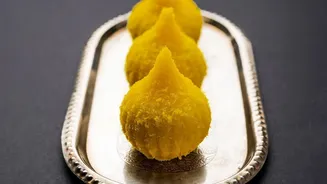
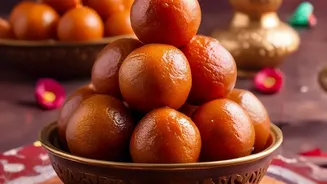
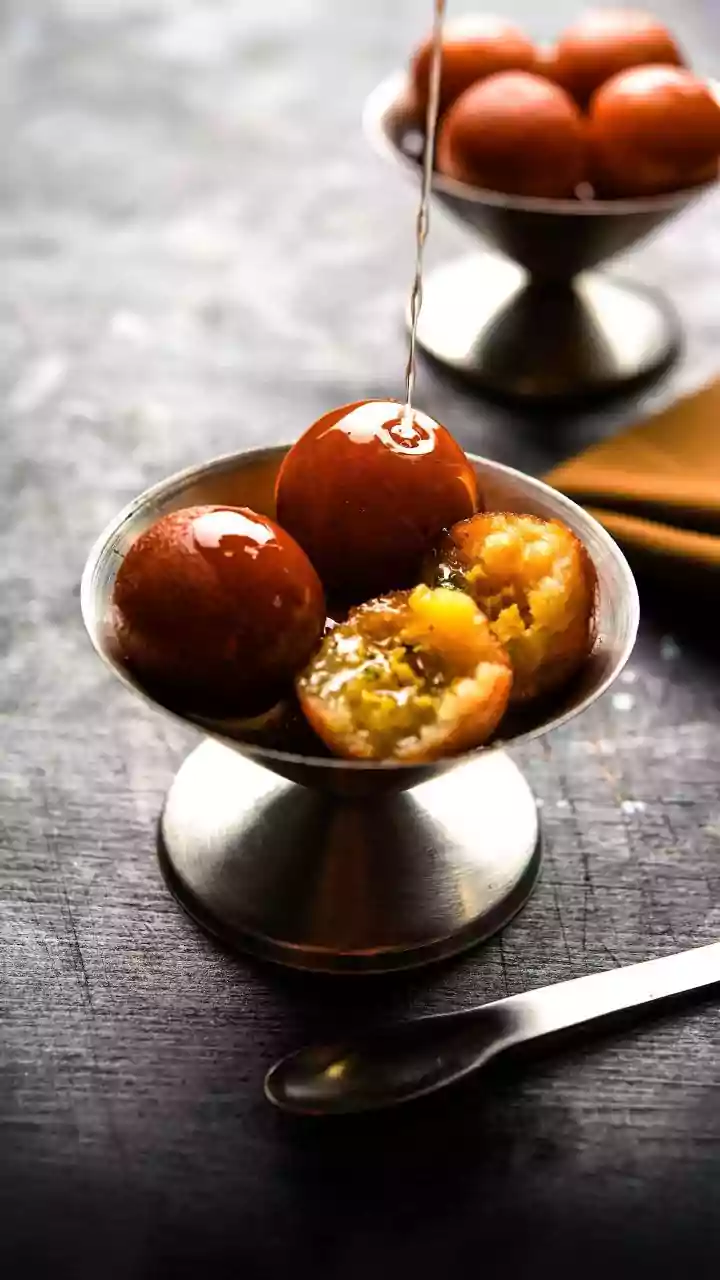
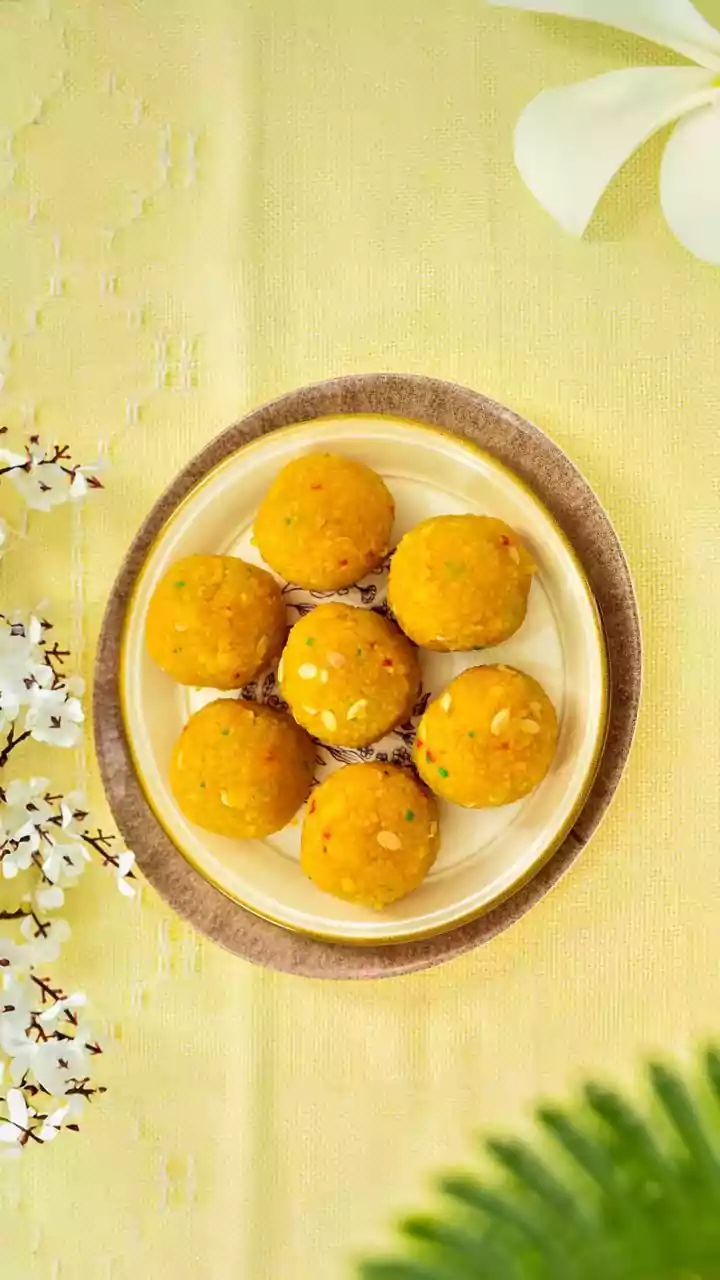
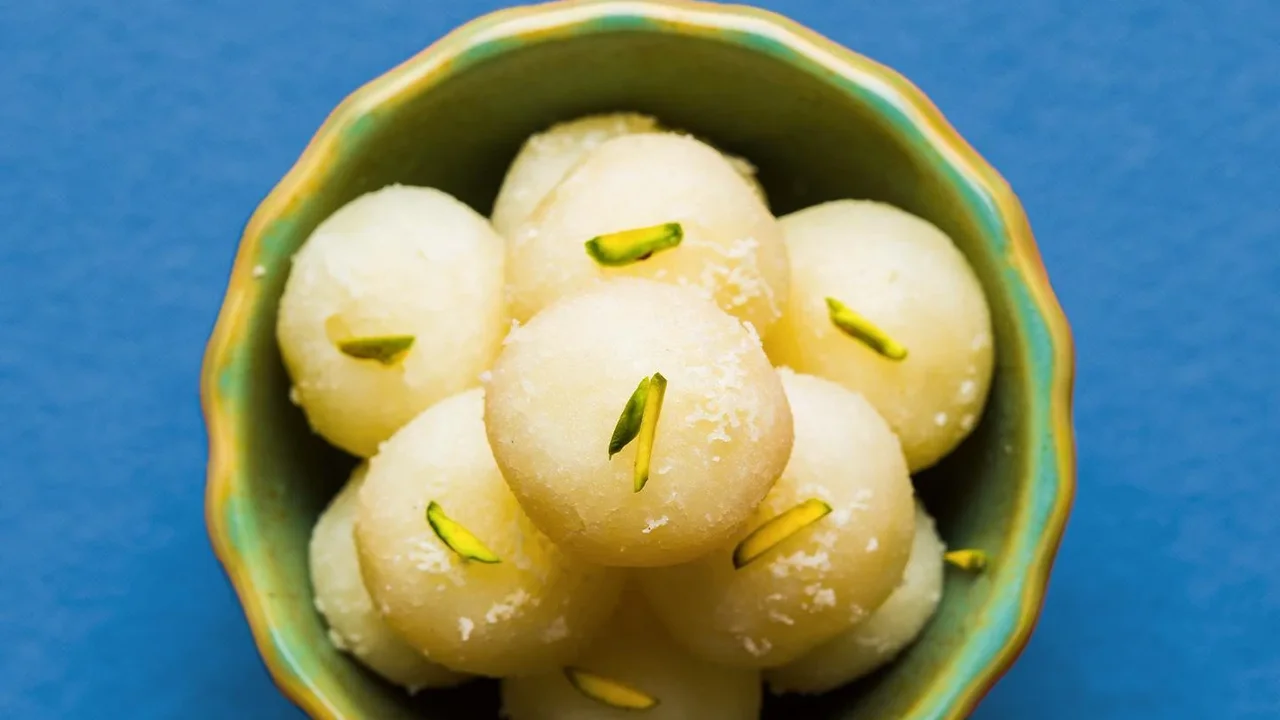
that symbolise love and abundance. Dishes like Dhaniya Panjiri, Maakhan Mishri, and various ladoos are not just treats; they are sacred offerings, or 'prasad', shared among devotees. This culinary tradition is deeply intertwined with stories of Krishna's childhood, his fondness for butter and sweets earning him the endearing name 'Makhan-Chor' or butter thief. The preparation of these items is a cherished ritual in many households, a practice passed down through generations that makes the festival complete.
The New Wave of Wellness
In recent years, a significant cultural shift has been taking place across India. A growing awareness around health and wellness, particularly among younger generations, has begun to influence everything from daily diets to festive foods. This movement isn't about restriction but about making conscious, healthier choices. As young people become more proactive about their well-being, they are looking for ways to align their modern lifestyles with age-old traditions. This has led to a fascinating intersection where heritage meets health, with festive indulgence getting a thoughtful, nutritious makeover. Youth-led initiatives and community groups focused on healthy living are becoming more common, promoting everything from sustainable diets to mindful eating.
From Sugar to Superfoods
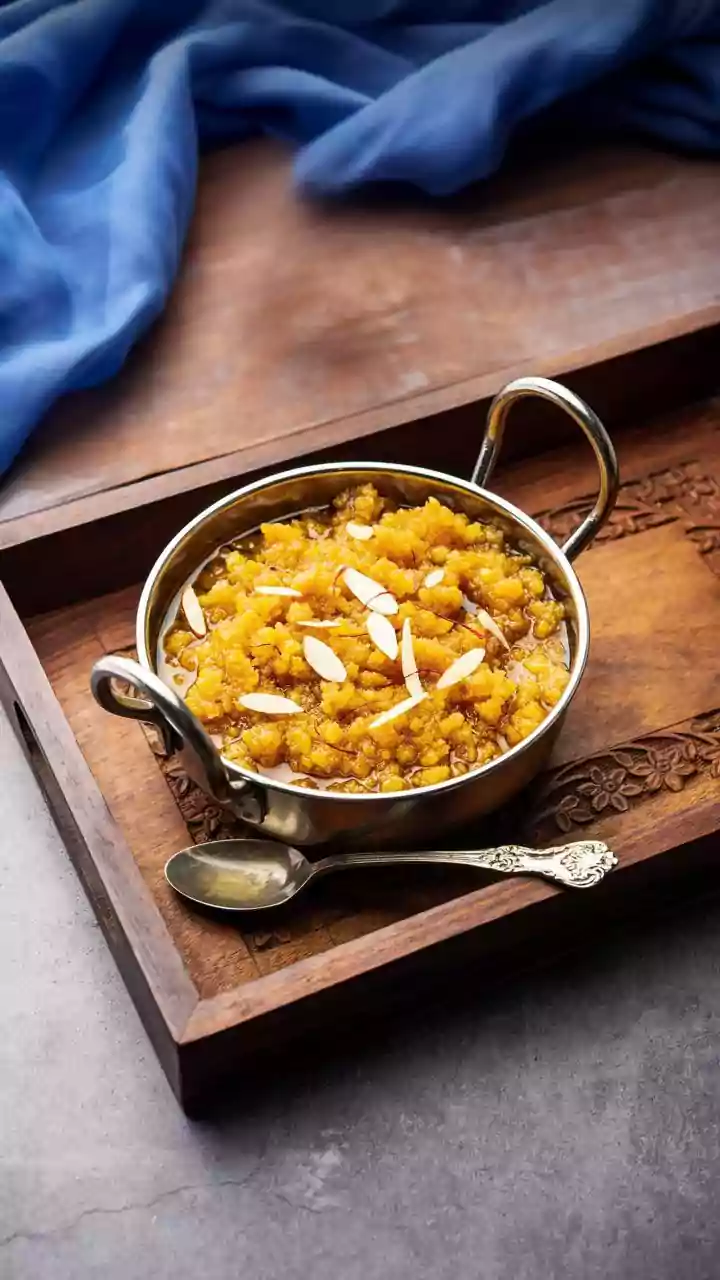
The most significant change in Janmashtami preparations is the move away from refined sugar. Youth collectives and health-conscious families are championing natural sweeteners that offer flavour without the negative health impacts. Jaggery, with its lower glycemic index and iron content, has become a popular substitute. Date paste, figs, and honey are also being used to sweeten treats naturally. Grains are also getting an upgrade. Refined flour (maida) is being replaced by nutrient-dense millets like ragi and jowar, or whole wheat flour. For instance, a traditional ladoo might now be made with oats and nuts, bound together with dates, offering sustained energy instead of a sugar rush. Even classics like panjiri are being adapted with less ghee and natural sweeteners, preserving the essence of the prasad while boosting its nutritional profile.
Innovation in the Festive Kitchen
This new approach has sparked a wave of culinary creativity. Chefs and home cooks are developing recipes that are both traditional and modern. Makhana Kheer, a pudding made from protein-rich fox nuts, is being prepared with almond milk and sweetened with jaggery, making it both healthier and vegan-friendly. Ragi Sheera and millet-based kalakand are other innovative dishes that retain a traditional feel. Techniques are also evolving. For example, some are now using an air fryer to make Dhaniya Panjiri, achieving the desired crispy texture with significantly less ghee than the traditional method. These adaptations show that the goal isn't to replace beloved dishes but to evolve them so they can be enjoyed guilt-free.
A Tradition Reimagined for the Future
This trend, often driven by local youth groups and online communities sharing healthy recipes, is more than just a passing fad. It represents a thoughtful negotiation between generations and a desire to preserve culture by making it sustainable for the future. By adapting these cherished food traditions, young Indians are ensuring that the festive spirit can be celebrated in a way that aligns with contemporary values of health and well-being. This movement isn't about discarding tradition but about enriching it, ensuring that the sweetness of Janmashtami can be savoured by everyone for generations to come, in a form that is both nourishing for the body and the soul.