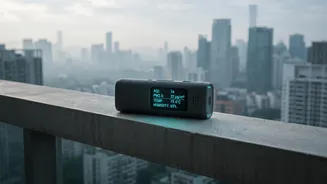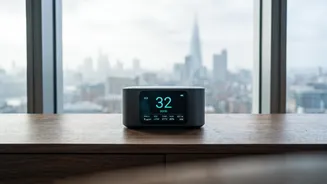




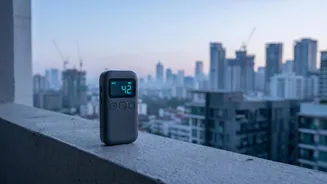

As Diwali approaches, the joy of the festival is often accompanied by concerns over air quality. Understanding the Air Quality Index (AQI) is the first step to protecting your family from pollution. Here is what those numbers actually mean.
What Exactly Is the AQI?
The Air Quality
Index, or AQI, is a simple tool designed to tell you how polluted the air is. Launched by India's Central Pollution Control Board (CPCB) in 2014, it converts complex data from eight major pollutants—including the dangerous PM2.5 and PM10 particles—into a single number, a colour, and a category. The goal is to provide an easy-to-understand snapshot of air quality and its potential health risks, so anyone can quickly grasp the situation without needing a science degree. The final AQI number you see for your city is determined by the pollutant with the highest reading at that time, which during post-Diwali days is almost always PM2.5.
Decoding the Six AQI Categories
The AQI is presented in six distinct categories, each with a specific numerical range and colour code to indicate the level of health concern. 0–50 (Good - Green): The air is clean with minimal health risk. Enjoy outdoor activities freely. 51–100 (Satisfactory - Light Green): Air quality is acceptable, but some sensitive individuals might experience minor breathing discomfort. 101–200 (Moderate - Yellow): People with existing lung or heart conditions, children, and older adults may feel breathing discomfort. It is wise for these groups to reduce prolonged or heavy exertion outdoors. 201–300 (Poor - Orange): Most people will experience breathing discomfort on prolonged exposure. Everyone should cut back on heavy outdoor activities. 301–400 (Very Poor - Red): This level can trigger respiratory illness after long exposure. Vulnerable groups are at high risk, and even healthy people will be affected. 401–500 (Severe - Maroon): The air is toxic. This affects healthy people and seriously impacts those with existing diseases. All outdoor physical activity should be avoided.
Why Diwali Makes Pollution Worse
The festive celebrations, particularly the bursting of firecrackers, release a huge amount of harmful pollutants into the atmosphere in a very short time. These include fine particulate matter (PM2.5 and PM10), sulphur dioxide, and heavy metals. PM2.5 particles are especially dangerous because they are small enough to penetrate deep into the lungs and even enter the bloodstream, causing both immediate and long-term health problems. This spike in pollution is often made worse by weather conditions in late autumn, like lower temperatures and slower wind speeds, which trap pollutants close to the ground, creating a thick layer of smog that can linger for days.
Who Is Most at Risk?
While severe air pollution is harmful to everyone, certain groups are far more vulnerable. Children are at higher risk because their lungs are still developing and they breathe more air relative to their body weight. Older adults, especially those with pre-existing heart or lung conditions, can experience a rapid worsening of their symptoms. People with chronic respiratory illnesses like asthma or COPD are also highly susceptible, as high pollution can trigger severe attacks and breathing difficulties. Short-term exposure can cause coughing, throat irritation, and fatigue, while long-term exposure is linked to more serious conditions.
How to Track AQI and Stay Safe
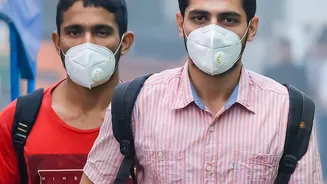
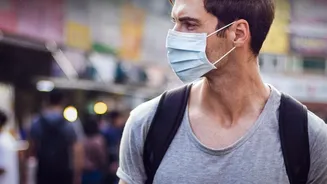
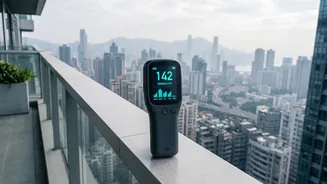
Staying informed is your best defence. You can check real-time AQI levels for your city on official government platforms like the SAMEER app from the CPCB or the SAFAR portal. Many weather apps and websites, including Google Maps, now also integrate AQI data. When the AQI enters the 'Poor' or 'Very Poor' categories, it is crucial to take precautions. Minimise outdoor activities, especially during the early morning and late evening when pollution levels are often highest. If you must go out, wear a well-fitted N95 mask, as cloth masks offer little protection against fine particles. At home, keep windows and doors closed and consider using an air purifier with a HEPA filter to maintain cleaner indoor air.