







The Lifeline for India’s Farms
The Indian economy, at its heart, is deeply connected to agriculture, and agriculture is deeply connected to the monsoon. The southwest monsoon, which delivers about 75% of India's annual rainfall, is the primary source of water for a vast portion of the country's
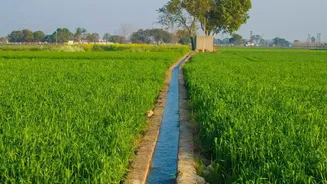
farmland. Approximately half of India's net sown area is rain-fed, meaning it lacks access to regular irrigation and depends almost entirely on seasonal rains. This makes the monsoon a critical factor for the Kharif or summer cropping season, which includes essential staples like rice, pulses, oilseeds, and cotton. A timely and well-distributed monsoon leads to healthy crop sowing and production, setting the stage for a bountiful harvest. Conversely, a delayed or deficient monsoon can spell trouble, leading to lower yields and immediate stress in the rural economy.
The Journey From Puddle to Plate
The link between rainfall and your grocery bill is a straightforward chain of supply and demand. When the monsoon is good, agricultural production thrives. An ample supply of vegetables, grains, and pulses flows from farms into the market. This abundance helps keep prices stable, or can even lower them. However, when the monsoon is weak or erratic, the opposite happens. Lower production leads to tighter supplies in the market. This scarcity drives up prices, a phenomenon economists call food inflation. Perishable items like vegetables are the first to react. A sudden downpour can flood fields and disrupt transport, causing tomato and onion prices to spike within days, whereas the impact on stored goods like cereals and pulses might take a few months to appear.
More Than Just Crops
The monsoon's influence extends far beyond the Kharif season. The rains are crucial for replenishing reservoirs and groundwater levels across the country. This stored water is vital for the subsequent Rabi (winter) crop season, which includes staples like wheat. It also feeds into hydroelectric power generation, which can impact electricity tariffs. Furthermore, a strong monsoon boosts rural employment, not just in farming but in adjacent sectors. When farmers have a good year, their income rises, leading to increased spending on goods like tractors and consumer products, which stimulates the broader economy. A weak monsoon suppresses this demand, creating a ripple effect that can slow down overall economic growth.
The Inflation Equation
Food prices are a major component of India's overall inflation rate, accounting for a significant portion of the Consumer Price Index (CPI). Because of this, the Reserve Bank of India (RBI) closely monitors the monsoon's progress. Rising food prices can push overall inflation higher, forcing the central bank to consider raising interest rates to control it. Higher interest rates make loans more expensive for everyone, from individuals buying a car to businesses seeking to expand. Therefore, a good monsoon that keeps food prices in check helps create a stable economic environment where interest rates can remain lower. However, a poor monsoon can trigger a cycle of food inflation that complicates economic policy and affects household budgets nationwide.
This Year's Outlook
As of mid-2026, concerns have been raised about a weaker-than-normal monsoon, with reports in June and July indicating rainfall deficits. Such conditions have historically put pressure on Kharif sowing and led to an uptick in food inflation. While India's agricultural system has become more resilient over the years due to improved irrigation and buffer stocks of key grains, a significant portion of crops that heavily influence inflation—like pulses, oilseeds, and vegetables—remain largely dependent on rain. Experts note that while a direct correlation isn't always perfect, a prolonged weak spell in the monsoon season constitutes a supply-side shock that inevitably puts upward pressure on the prices of daily essentials, from vegetables to milk.