



The Search for a Digital Detox
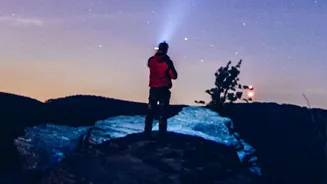
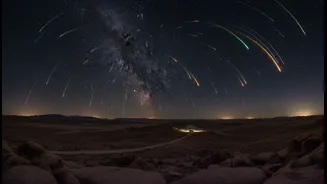
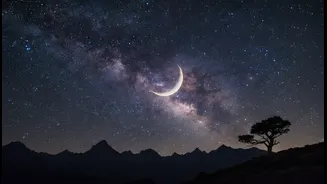
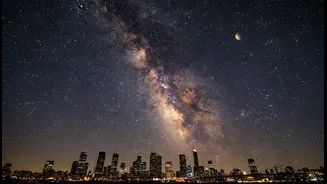
The driving force behind this celestial shift is a deep-seated need to disconnect. Younger generations, particularly Millennials and Gen Z, report feeling fatigued by the relentless cycle of notifications and social media performance. Stargazing trips
offer the ultimate digital detox, often taking travellers to remote areas where mobile signal is weak and the landscape is more compelling than any screen. This isn't about punishment; it's about relief. Travel industry reports show a significant rise in people actively seeking vacations that allow them to unplug and be more present. The silence and stillness of a night spent under the stars provide a powerful antidote to modern burnout, offering a chance to reset and reconnect with the real world.
What Makes a Great Astro-Trip?
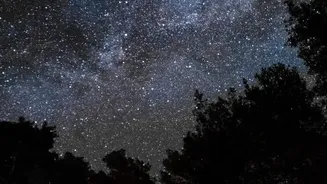
Astrotourism is more than just finding a dark spot and looking up; it’s an entire experience. The most sought-after destinations are often official Dark Sky Reserves, areas recognised for their exceptional starry nights and protected from light pollution. One of the premier locations in India is the Hanle Dark Sky Reserve in Ladakh, the country's first. This high-altitude desert offers incredibly clear, dry air, making it one of the best stargazing sites in the world. Many of these trips involve more than passive viewing. Local communities are becoming integral to the experience, with residents trained as 'Astronomy Ambassadors' who guide visitors with telescopes, sharing both scientific knowledge and local folklore.
India’s Celestial Hotspots
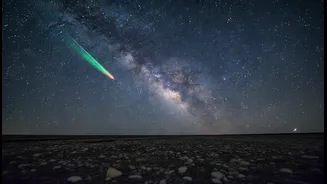
While Hanle in Ladakh is considered the gold standard, India offers a diverse map for aspiring stargazers. The cold desert of Spiti Valley in Himachal Pradesh is another prime location, with villages like Kaza and Langza providing breathtaking views of the Milky Way. The vast, flat expanse of the Rann of Kutch in Gujarat transforms into a surreal celestial canvas, especially on moonless nights when the white salt desert seems to merge with the star-filled sky. For those seeking a different landscape, desert camps in Jaisalmer, Rajasthan, combine stargazing with cultural immersion, while spots in the Andaman Islands offer the unique experience of watching the cosmos over the ocean.
A Universe of Wellness
The appeal of stargazing goes beyond pretty views; it’s deeply connected to well-being. Psychologists and researchers have found that experiencing 'awe'—the feeling we get when confronted with something vast and transcendent—has profound benefits. Gazing at the cosmos can reduce stress, quiet our inner critic, and foster a sense of connection to something larger than ourselves. This 'cosmic perspective' helps put everyday problems into a new context, making them feel smaller and more manageable. In this sense, astrotourism is becoming a form of mindfulness, a meditative practice that calms the nervous system and improves our overall emotional state simply by encouraging us to look up in wonder.