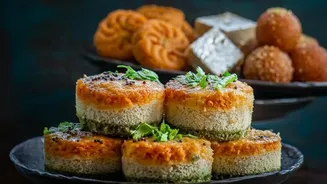

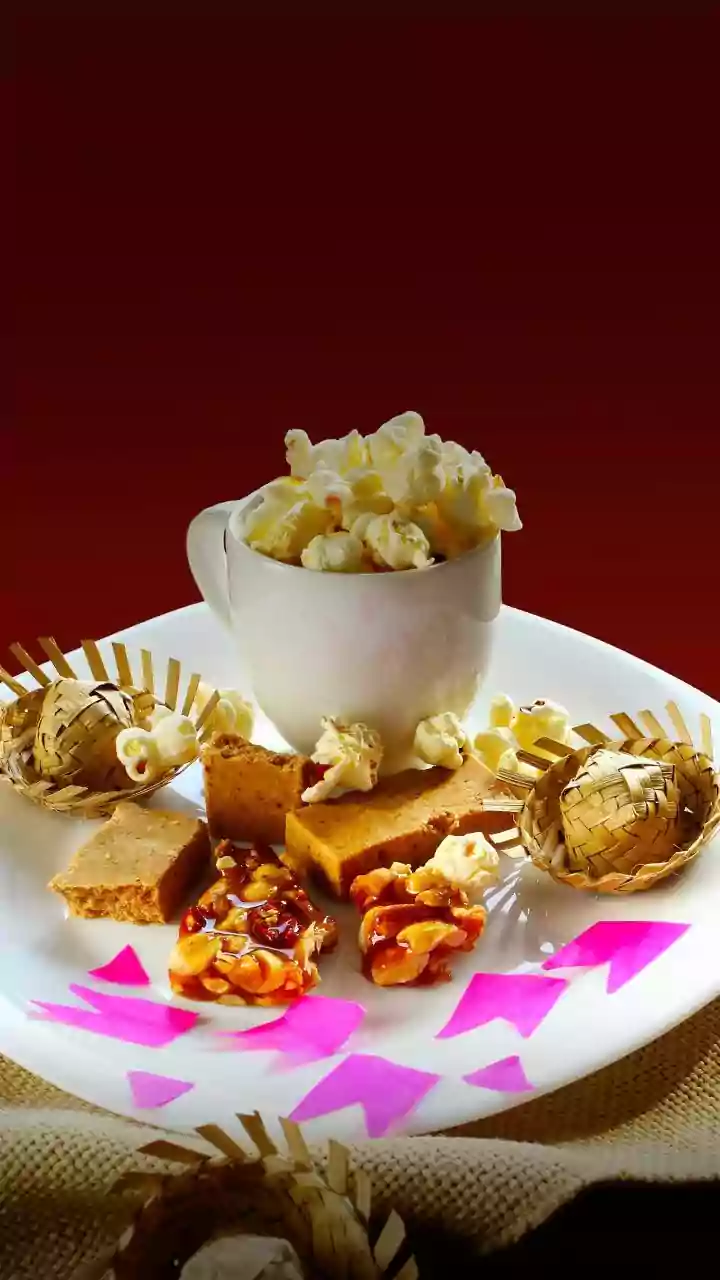

The New Festive Table
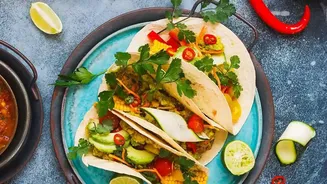
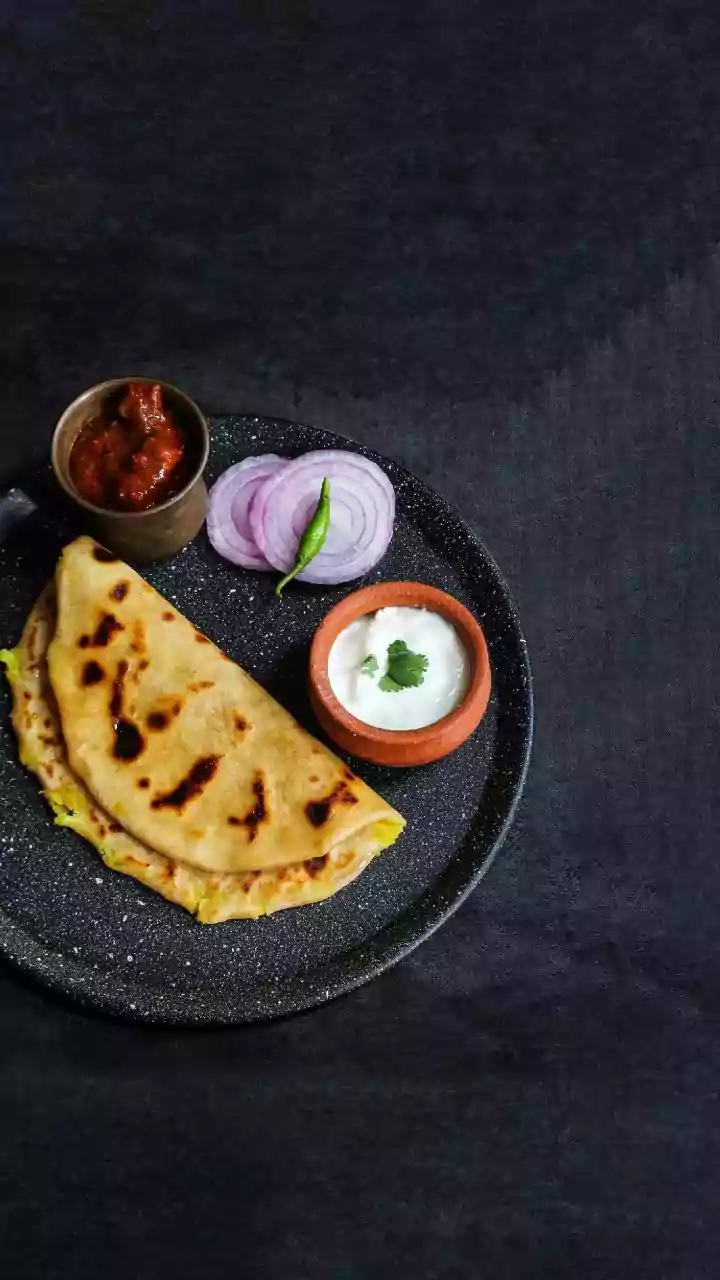
Imagine a Diwali spread where the familiar Puran Poli, a sweet flatbread from Maharashtra, is presented as delicate ravioli. Or a Christmas feast featuring a warming toddy infused with classic Indian spices alongside vodka. This isn't a fantasy; it's
the reality in many modern Indian homes and progressive restaurants. Chefs and ambitious home cooks are looking at age-old festive staples—from Holi's Gujiya to Eid's Sheer Korma—not as rigid formulas, but as a flavourful base for innovation. This movement blends the comfort of regional Indian cooking with the excitement of global techniques and ingredients, resulting in dishes that are both surprising and deeply satisfying. This signals a shift from merely following recipes to understanding their soul and giving them a new, global vocabulary.
Beyond Yesterday's Fusion
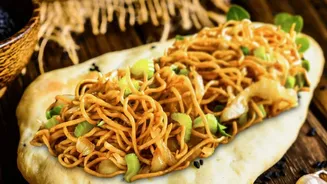
This trend is more nuanced than the fusion food of the past. It’s not about adding soy sauce to a curry and calling it fusion. Instead, chefs are deconstructing traditional dishes and thoughtfully incorporating international elements. Michelin-starred chefs like Sujan Sarkar describe their approach as 'progressive Indian cuisine', a philosophy that honours tradition while making space for innovation. This could mean using modern techniques like sous-vide to perfect a traditional meat dish or incorporating unconventional ingredients like passionfruit into a pani puri. It's a sign of growing confidence; Indian chefs are no longer just trying to adapt their food for an international audience but are proudly showcasing regional flavours using global methods. The focus is on balance, ensuring that innovation enhances rather than overpowers the authentic taste of the original dish.
Confidence in the Kitchen
So, why is this happening now? Several factors are stirring the pot. Firstly, there's a newfound confidence and pride in Indian cuisine. Chefs are increasingly exploring the immense diversity of India’s own hyperlocal ingredients, from Himalayan herbs to unique regional cheeses, and using them as a centerpiece for modern menus. Secondly, Indian diners have more globalised palates than ever before, thanks to travel and digital media. They are curious and eager to try new things, moving beyond the standard restaurant fare that once defined Indian food abroad. Social media also plays a huge role, as visually stunning, inventive dishes travel faster than ever, inspiring both chefs and home cooks to experiment. This digital exposure has created an audience that appreciates the story and artistry behind their food.
From Fine Dining to Your Home
While this trend is prominent in high-end restaurants, its influence is trickling down to the domestic kitchen. Home cooks are feeling empowered to put their own spin on family recipes passed down through generations. Instead of deep-frying everything, people are experimenting with air-fried or baked versions of festive snacks like samosas and gujiyas. Recipe blogs and cooking websites are filled with creative ideas, such as Mango Tiramisu or Baklava Rolls with Indian flavours, encouraging people to blend traditions. This doesn't mean abandoning the classics. Rather, it's about adding a new dish to the festive table, one that reflects a family's personal journey and evolving tastes. It’s about keeping the spirit of the celebration alive while creating new traditions.