







Myth: You Need Protein Powder to Build Muscle
This is one of the most persistent myths in fitness culture. While protein is essential for muscle repair and growth, its source is less important than the total amount you consume. For most people, including regular gym-goers, a well-balanced diet rich
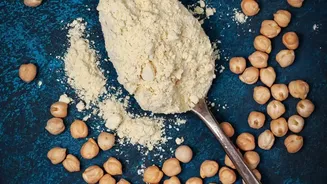
in whole food protein is perfectly sufficient. Sources like chicken, fish, eggs, dairy products like paneer and yogurt, lentils, chickpeas, and tofu can easily help you meet your daily requirements. Protein powders offer convenience—a quick shake is easier than grilling chicken after a workout—but they are a supplement, not a necessity. Think of them as a helpful tool for busy days, not a magic bullet for muscle gain.
Myth: More Protein Is Always Better
The 'more is better' mindset can be counterproductive when it comes to protein. Your body has a limit to how much protein it can effectively use for muscle synthesis at one time. A general guideline for active individuals is about 1.2 to 1.7 grams of protein per kilogram of body weight per day. Consuming significantly more than your body needs doesn't lead to extra muscle. Instead, the excess protein is either used for energy, or its components can be converted and stored as fat. It's about finding the right amount for your body and activity level, not just loading up indiscriminately.
Myth: Protein Powder Will Damage Your Kidneys
This is a common concern, but for most people, it's unfounded. In individuals with healthy, functioning kidneys, a high-protein diet (from food or powders) is generally considered safe. The kidneys are robust organs designed to filter waste products from protein metabolism. The myth likely originates from the fact that people with pre-existing kidney disease are often advised to limit their protein intake to reduce strain on their kidneys. If you have no underlying kidney issues, there is little evidence to suggest that consuming protein powder as part of a balanced diet will cause harm. However, if you have any health concerns, it's always best to consult a doctor.
Myth: You Must Drink a Protein Shake Immediately After a Workout
The idea of a 30-minute 'anabolic window' post-workout, during which you must consume protein to maximize gains, has been largely exaggerated. While it's true that your muscles are primed for nutrient absorption after exercise, research shows this window is much larger than previously thought—potentially several hours long. What's more important is your total protein intake throughout the day and ensuring you have a protein-rich meal within a few hours of your training session. So, there's no need to frantically chug a shake in the locker room. Finishing your workout and heading home for a balanced meal works just as well.
Myth: All Protein Sources Are Created Equal
The quality of protein matters. Proteins are made of amino acids, and some foods contain all nine essential amino acids that our bodies cannot produce on their own. These are called 'complete proteins'. Animal-based sources like meat, eggs, and dairy are typically complete proteins. Many plant-based sources like lentils and vegetables are 'incomplete', meaning they lack one or more essential amino acids. However, this is easily solved by combining different plant foods—a strategy vegetarians and vegans have used for centuries. Classic Indian meals like dal with rice or roti create a complete protein profile. Variety is key to ensuring you get all the building blocks your body needs.