






The Digital Awakening in Bharat
The single most significant catalyst for this shift is the digital revolution. Affordable smartphones and some of the world's cheapest data plans have brought hundreds of millions of new users online from smaller cities and towns. This has flattened the landscape
of commerce, giving consumers in places like Lucknow, Jaipur, and Coimbatore access to the same products and services once exclusive to metropolitan residents. E-commerce giants report that the majority of their new growth and shipments now originate from these markets. This digital fluency extends beyond shopping; the widespread adoption of UPI and digital payments has created a seamless economic ecosystem, empowering both consumers and local businesses to transact with unprecedented ease. Startups no longer need a metro address to reach a national audience, as digital tools and cloud services have made geography less of a barrier.
A New Generation of Consumers
Alongside digital access, rising household incomes and growing aspirations are creating a formidable new consumer class. As discretionary spending power increases, so does the demand for branded goods, modern retail experiences, and better services in sectors like healthcare, education, and hospitality. This consumer is not just a scaled-down version of their metro counterpart; they have distinct preferences, often valuing community trust, regional language content, and products tailored to local tastes. Businesses that succeed are those that understand these nuances, offering the right product mix at accessible price points. This has opened doors for everything from quick-service restaurants and diagnostic centres to skill development institutes and boutique e-commerce brands.
Infrastructure and a Widening Talent Pool
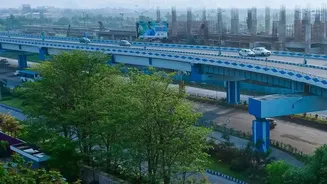
The government's sustained push on infrastructure—including new highways, airports, and improved logistics networks—has been a game-changer, making these cities more accessible and operationally viable. Simultaneously, the talent landscape is decentralizing. Many professionals, seeking a better quality of life and lower living costs, are choosing to work from their hometowns. Companies are following the talent, setting up satellite offices and Global Capability Centres (GCCs) in cities like Vadodara and Visakhapatnam to tap into this skilled, yet more affordable, workforce. Reports indicate that non-metro regions now account for a significant majority of new formal job creation, particularly in sectors like banking, manufacturing, and IT services.
Lower Costs, Higher Potential
One of the most compelling arguments for venturing into Tier-2 and Tier-3 cities is the economic advantage. Operational costs, from real estate rentals to salaries, can be significantly lower than in saturated metros like Mumbai or Bengaluru. This allows businesses, especially startups, to operate with a longer financial runway, giving them more room to innovate and find product-market fit without the intense pressure of a high monthly burn rate. This cost efficiency, combined with less market saturation, means companies can often establish a strong foothold and build brand loyalty more effectively than they could in the hyper-competitive metro environments.
Navigating the Challenges
Despite the immense potential, the path is not without its hurdles. Businesses must contend with potential infrastructure gaps, such as unreliable electricity or last-mile connectivity issues in certain areas. Talent acquisition for highly specialized senior roles can be more challenging than in metros, where the talent density is higher. Furthermore, success requires a hyperlocal approach; a one-size-fits-all strategy imported from a Tier-1 city is likely to fail. Understanding local cultural preferences, navigating fragmented logistics, and building trust within the community are crucial for sustainable growth.