

An Unseen Threat to a National Staple
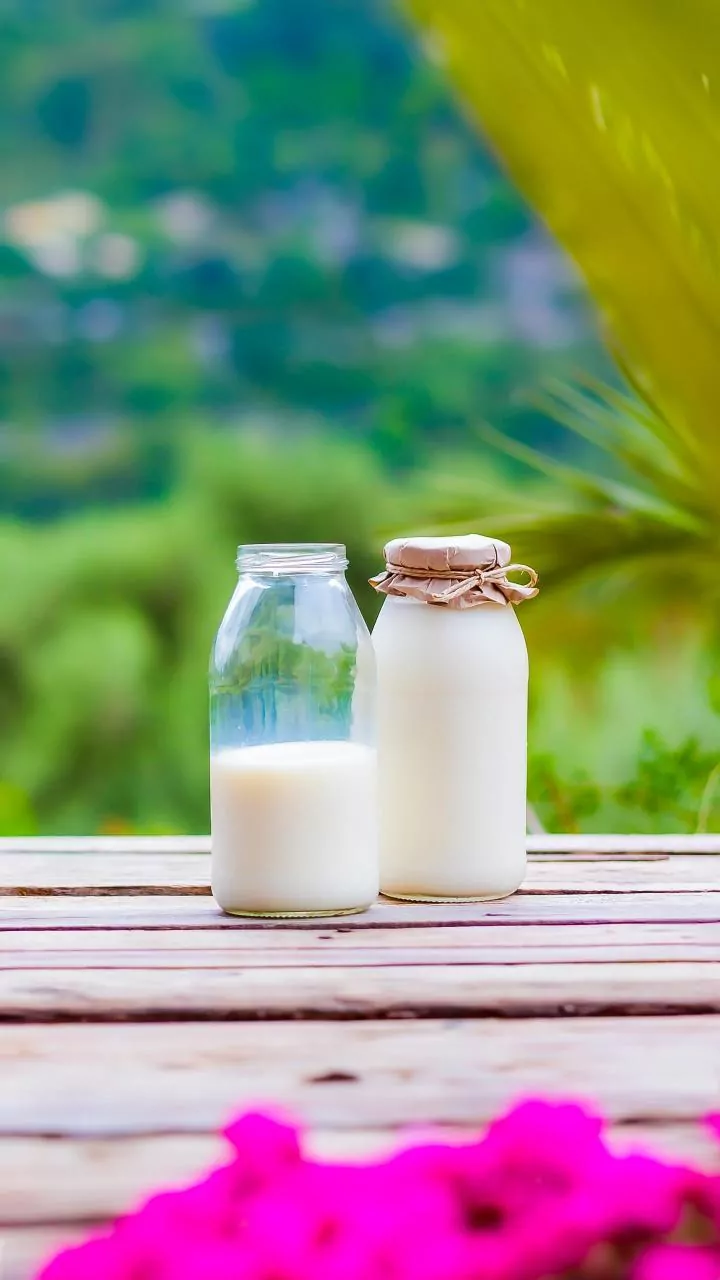
India is the undisputed world champion of milk, producing nearly a quarter of the entire global supply. The dairy industry is more than just a source of nutrition; it's a lifeline for over 80 million farming families and contributes significantly to the national
GDP. For decades, this sector has been a story of remarkable growth. But this success is now facing a formidable challenge that isn't about market competition or policy, but about the weather itself. Climate change is leading to longer, more intense summers, and this rising heat is quietly starting to drain the productivity of the animals that our dairy sector is built on. Experts warn that without significant action, this could lead to serious consequences for farmers, supply chains, and consumers.
The Science of Heat and Milk
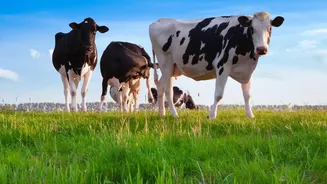
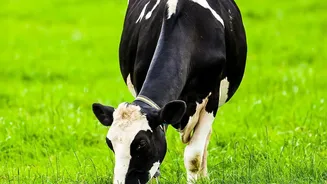
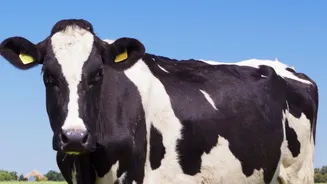
When cattle and buffaloes are exposed to high temperatures and humidity, they experience what scientists call 'heat stress'. An animal's comfortable temperature range is quite specific; once the temperature-humidity index (THI) climbs beyond a certain point, their bodies have to work overtime just to stay cool. To do this, they divert energy away from other essential functions, including milk production. The first and most immediate effect is a drop in appetite. Just like humans, overheated animals eat less, which directly reduces the nutrients available to create milk. They also pant and sweat more to cool down, leading to dehydration. Internally, heat alters hormonal balances, which can impair lactation and reproductive cycles. This combination means not just less milk, but often lower quality milk with reduced fat content, which fetches a lower price for farmers. Studies show milk yield can drop by 20-30% during periods of intense heat.
The Ripple Effect on Farmers and Families
The burden of this climate-induced stress falls heaviest on India's smallholder farmers, who often own just a handful of animals and have limited resources. For them, a 25% drop in milk production during peak summer isn't just a statistic; it's a direct hit to their income. This is compounded by increased costs. Farmers may have to spend more on electricity for fans, on creating shade structures, or on veterinary bills, as stressed animals are more vulnerable to diseases like mastitis. This economic squeeze at the farm level has a ripple effect. A sustained drop in national milk production could disrupt the delicate balance of supply and demand that has kept milk relatively affordable. Projections from studies, including one cited by The Lancet, warn that unmitigated heat stress could slash India's total milk production by as much as 25% by 2085, a staggering figure that would have profound implications for food security and household budgets across the country.
A Search for Cooler Solutions
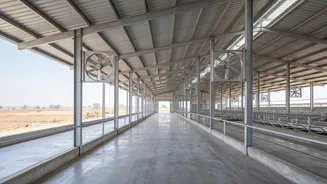
The challenge is immense, but it is not insurmountable. Across the country, farmers, scientists, and institutions are working on adaptation strategies. Simple, low-cost solutions are often the first line of defence: ensuring constant access to clean drinking water, providing adequate shade using trees or nets, and installing fans or misting sprinklers can make a significant difference. Some farmers are also adjusting their schedules, shifting feeding and milking times to the cooler hours of the early morning and late evening. Looking at the bigger picture, there is a growing focus on nutrition and breeding. Providing easily digestible, high-energy feed can help offset the loss of appetite. Furthermore, there is renewed interest in indigenous Indian cattle breeds like the Gir and Sahiwal, which are naturally more resilient to high temperatures than many high-yielding European crossbreeds. Organizations like the National Dairy Development Board (NDDB) are exploring initiatives around climate-resilient agriculture and ration balancing to make dairying more sustainable.