




The Backlash Against Cold Minimalism
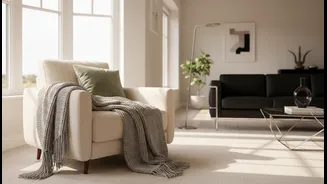
A collective craving for comfort is reshaping our living spaces. The era of stark white walls, cool grey tones, and minimalist furniture that looked better than it felt is fading. Designers observe that after years of focusing on pared-back, almost clinical
interiors, people are now seeking the opposite: homes that feel welcoming, soulful, and forgiving. This move isn’t about embracing clutter, but rather rejecting the idea that a home must be impersonal to be stylish. The new ideal is a space that tells a story, prioritizes well-being, and wraps its inhabitants in a sense of ease and authenticity the moment they walk through the door.
What Defines the 'Lived-In' Look?
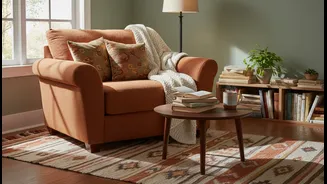
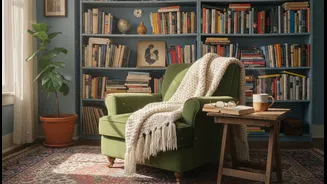
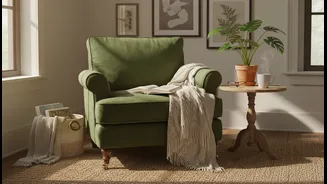
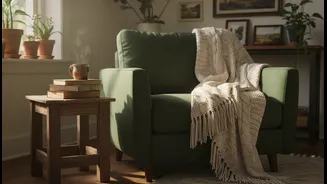
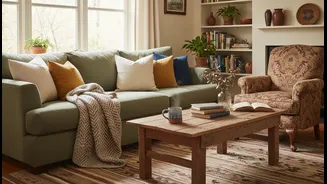
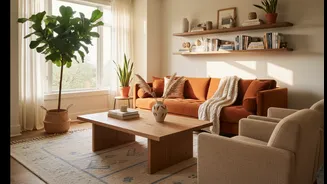
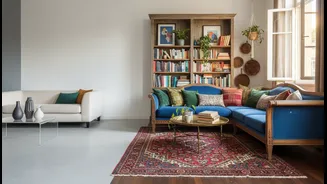
The lived-in style is less a strict set of rules and more of a feeling, but it has several key ingredients. It starts with a warm, earthy color palette—think sand, clay, terracotta, and soft greens. It champions natural materials that get better with age, like real wood, stone, linen, and leather. Instead of matching furniture sets, the look is achieved by collecting pieces over time, blending vintage finds with modern items. And perhaps most importantly, it makes space for personal expression, where books, art, and treasured objects are put on proud display, not hidden away.
It's All About Texture and Touch
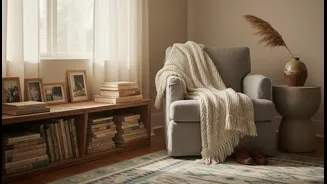
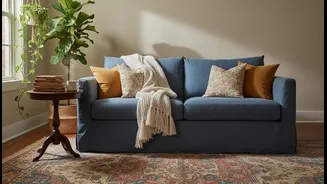
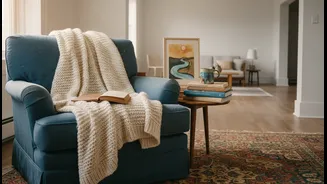
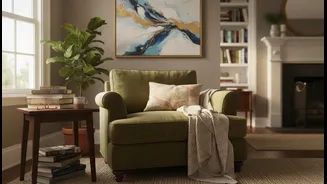
If color sets the mood, texture brings a space to life. A room full of flat, glossy surfaces can feel cold and one-dimensional. The warm, lived-in aesthetic relies on layering a variety of tactile materials to create depth and comfort. Think of plush wool rugs on a wooden floor, soft linen curtains catching the light, a chunky knit throw draped over a smooth leather sofa, and hand-thrown ceramic vases on a stone countertop. These textures invite touch and make a room feel grounded and comfortable, moving beyond a purely visual experience. Even kitchens are getting a softer treatment, with designers using warm timber, antique brass, and textiles to make them as inviting as a living room.
The Power of Imperfection and Personality
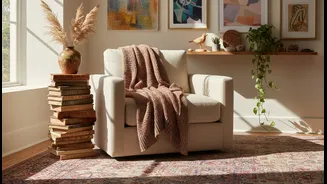
A truly lived-in home is one that isn't afraid to show signs of life. This style embraces the beauty of imperfection—the patina on an aged metal fixture, the creases in a cotton slipcover, or a slightly askew rug. It’s about creating a home that is for living in, not just looking at. This is where your personality shines. Rather than following a trend, the goal is to curate a collection of things that are meaningful to you. Displaying family photos, stacking your favorite books on a side table, or hanging art from your travels are what transform a decorated house into a soulful home.
Bringing the Warmth Home
Getting this look doesn’t require a complete overhaul. You can start small. Swap out cool, blue-toned light bulbs for warmer ones and add dimmer switches to control the mood. Instead of relying on a single overhead light, create cozy “pockets of light” with table lamps and floor lamps to make spaces feel more intimate. Introduce natural elements like indoor plants or a wooden bench. Layer your sofa with plush cushions and a soft throw blanket. The goal is to gradually add pieces that feel authentic to you, building a comfortable, layered, and inviting environment over time.