



The Rare Gift of Vocal Learning
When a parrot mimics human speech, it's demonstrating an ability known as vocal learning: the capacity to learn to produce new sounds through imitation. This might seem simple, but it is remarkably rare in the animal kingdom. Most animals are born with
a fixed set of vocalisations; a dog's bark is innate, not learned from other dogs. Only a few groups, including parrots, songbirds, hummingbirds, and humans, are considered true vocal learners. This ability requires sophisticated brain circuitry capable of hearing a sound, memorising it, and then coordinating muscles to replicate it. For parrots, this skill is fundamental. In the wild, they use it to develop unique 'catchphrases' within their flocks, helping them identify who belongs and who is an outsider. When a parrot lives with humans, it applies the same instinct, adopting the 'flock calls' of its human companions.
A Uniquely Wired Brain
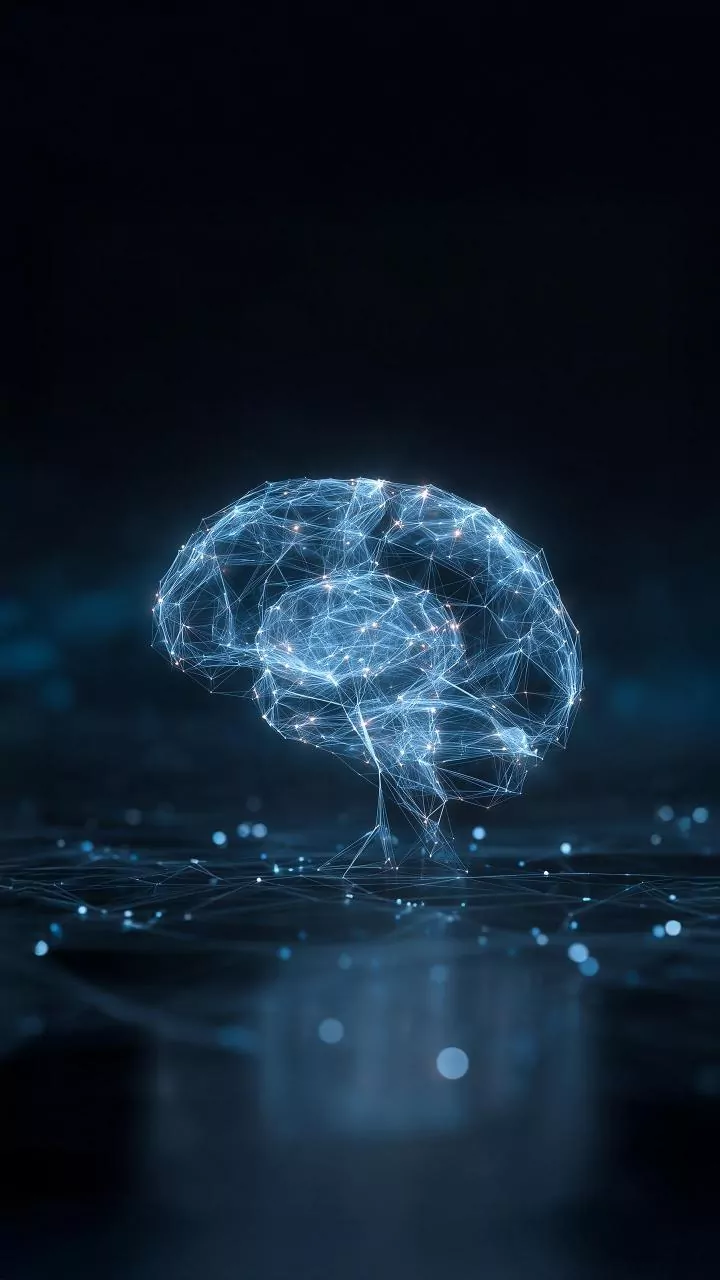
The secret to the parrot's talking talent lies in its brain. Scientists have identified specialised brain pathways for vocal learning. While songbirds and hummingbirds also have these, the parrot brain has a unique addition. Research led by Duke University neurobiologist Erich Jarvis revealed that parrots have a 'shell' or 'outer ring' structure surrounding the 'core' vocal learning centres in their brains. This 'song system' is thought to have evolved from a pre-existing motor pathway that controls movement. This dual-layered structure is more developed in parrot species known for being prolific talkers, like the African Grey. The core region is similar to what's found in other songbirds, but the shell gives parrots enhanced flexibility in reproducing a wide array of sounds. Physically, parrots produce sound using an organ called the syrinx, located where the trachea splits into the lungs. By precisely controlling the muscles around the syrinx, they can modify airflow to create complex sounds that mimic human words, a remarkable feat without lips or teeth.
Convergent Evolution with Humans
What’s truly astounding is that the neural pathways for vocal learning in parrots show striking similarities to those in humans, a phenomenon known as convergent evolution. This means that despite being very distantly related, both species independently evolved similar brain structures and even use a similar set of genes to enable speech and sound mimicry. Researchers have found that over 50 specific genes show similar activity patterns in the brains of vocal-learning birds and humans during speech. These genes are linked to forming connections between motor control areas of the brain and the neurons that control sound-producing muscles. This parallel evolution highlights that there may be strong genetic constraints on how a brain can develop the ability to learn and reproduce complex sounds.
Do They Understand What They Say?
This is the ultimate question. For most pet parrots, talking is largely a matter of contextual association rather than true understanding. They learn that saying 'hello' when someone enters a room gets a positive reaction, or that saying 'goodbye' is associated with someone leaving. This is a form of social learning, not a deep grasp of language. However, the line can get blurry. Some parrots, particularly African Greys, have demonstrated a more profound level of comprehension. The most famous example is Alex, an African Grey parrot studied by Dr. Irene Pepperberg. Alex learned over 100 words and could identify objects, colours, shapes, and quantities. He could even combine words creatively; he famously called an apple a 'banerry', thought to be a portmanteau of 'banana' and 'cherry'. Alex's abilities showed that, with training, some parrots can move beyond simple mimicry to use words to label concepts and communicate desires, demonstrating cognitive skills comparable to those of a young child.