




Why Grow Thai Chillies?
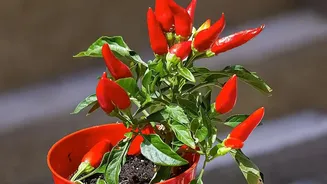
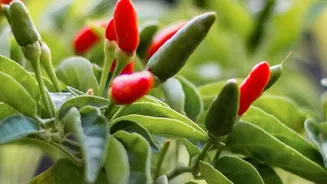
Thai chillies, a staple in many Indian kitchens, are known for their fiery heat and vibrant colour. These plants are not only prolific producers but are also perfectly sized for container gardening. They grow in a compact, bushy form, often with the peppers
pointing upwards, creating a beautiful and edible ornamental plant. Whether you use them fresh in a curry, dry them for later, or infuse them into oils, having a fresh supply on hand is a game-changer for any home cook. Plus, the satisfaction of harvesting something you have grown yourself is a reward in itself.
Choosing the Right Pot and Soil
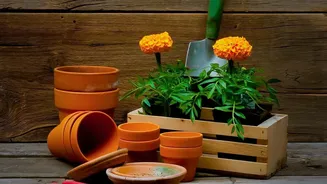
Success starts with the right foundation. Choose a pot that is at least 8-10 inches in diameter to give the roots enough space to develop. The most crucial feature is good drainage; ensure your pot has holes at the bottom to prevent waterlogging, which chilli plants dislike. For the growing medium, a high-quality, well-draining potting mix is essential. You can buy a commercial mix or create your own. A great recipe for chillies is a blend of multipurpose compost, coco coir (for moisture retention), and perlite or vermiculite (for drainage and aeration). This combination mimics the loose, fertile soil conditions that chillies love.
Planting Seeds or Seedlings
You can start from seeds or buy a small plant (seedling). Starting from seed is economical and offers more variety, but requires patience. Sow seeds indoors about 8-10 weeks before you plan to move the plant outside. Plant them about half a centimetre deep in your soil mix. Chilli seeds need warmth to germinate, so placing the seed tray in a warm, sunny spot is key. Keep the soil consistently moist but not soggy. If you're using a seedling, simply transfer it to your prepared pot, ensuring the base of the stem is level with the top of the soil.
Sunlight and Watering Essentials
Chilli plants are sun-lovers. They need at least six hours of direct sunlight each day to produce a good harvest. An east or south-facing balcony or window is ideal. When it comes to watering, the golden rule is to water deeply but infrequently. Check the top inch of the soil; if it feels dry, it's time to water. Allow the soil to dry out slightly between waterings to prevent root rot. Plants in pots, especially terracotta, dry out faster in hot weather and may need daily watering. Always avoid letting the pot sit in a saucer full of water.
Feeding and Basic Care
To encourage strong growth and lots of fruit, you’ll need to feed your plant. Start with a balanced, all-purpose liquid fertilizer after the plant is established. Once you see flowers starting to form, switch to a fertilizer that is higher in potassium and phosphorus, such as a tomato feed. This encourages fruiting rather than just leafy growth. A simple care tip to promote a bushier plant is to pinch off the growing tip when the plant is about six inches tall. This encourages it to branch out, leading to more flowers and more chillies.
Harvesting Your Fiery Rewards
The most exciting part! Thai chillies can be harvested when they are green, but they will develop their full flavour and maximum heat when they ripen to a vibrant red. Depending on the variety, this can take around 70-100 days from planting. Use a pair of scissors or small pruners to snip the peppers off the plant. Pulling them by hand can damage the delicate branches. Regular harvesting actually encourages the plant to produce more fruit, so don't be shy about picking them as they ripen. A single healthy plant can produce hundreds of peppers throughout the season.