


A Coordinated Price Push
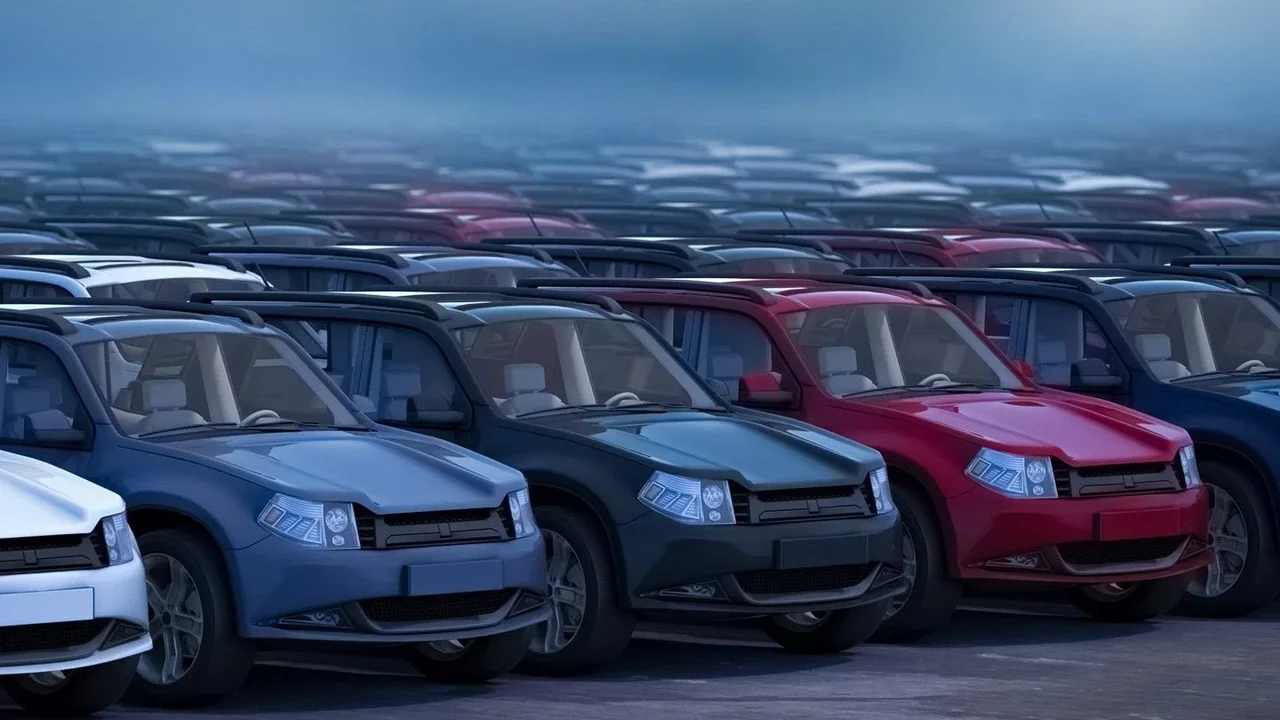
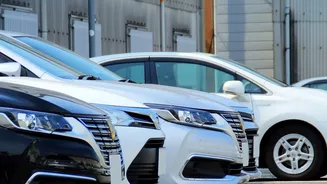
Just as Indians gear up for the year's most auspicious buying period, leading car manufacturers have announced another round of price increases. In August 2026, Maruti Suzuki, the country's largest carmaker, raised prices by up to ₹30,000 across its models.
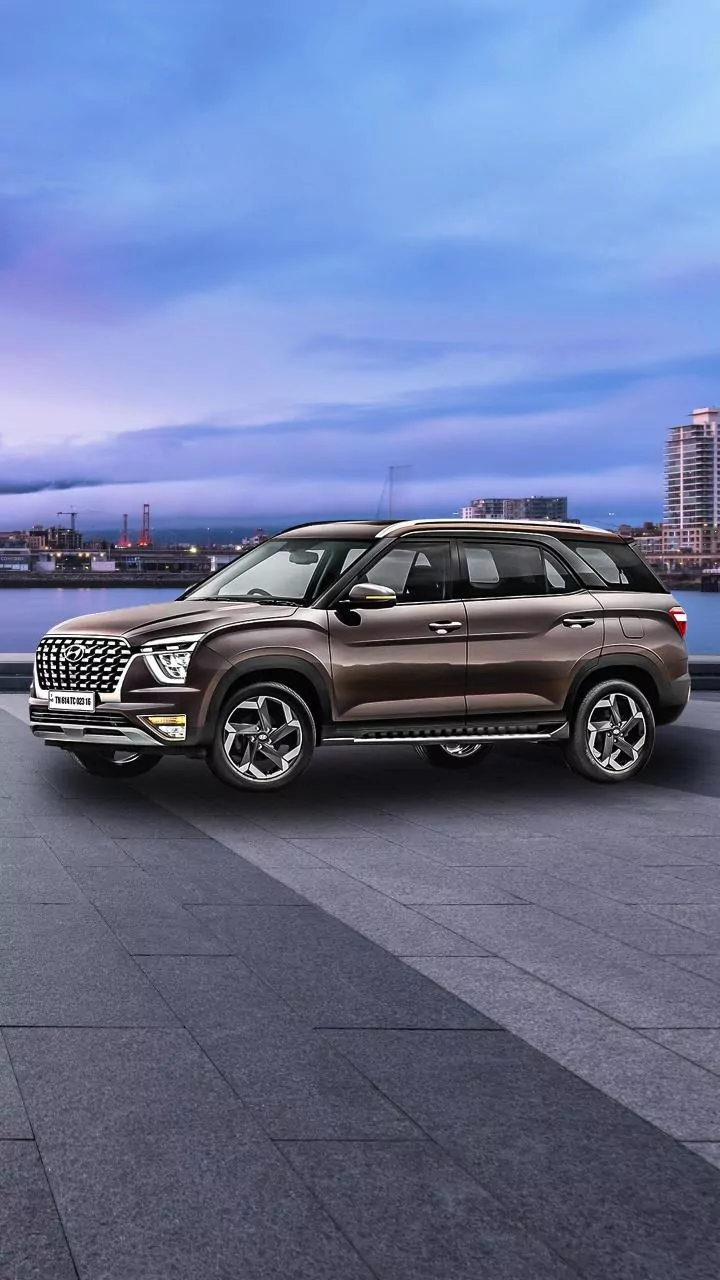
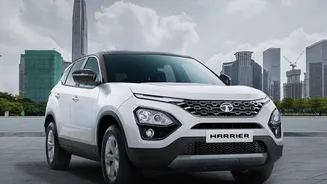
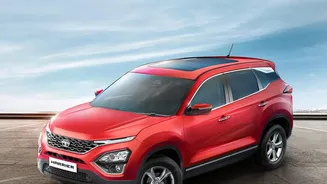
Following suit, Hyundai announced a hike of up to 1% from September, its third increase of the year. Tata Motors also declared an impending price rise of up to ₹25,000 for both its electric and internal combustion engine vehicles, effective September 1. This isn't limited to mass-market brands; Mahindra & Mahindra and luxury players like BMW have also pushed up their prices in recent months, signalling a widespread trend across the industry.
Why Your Next Car Is More Expensive
Automakers are pointing to a perfect storm of economic pressures. The most cited reason is the sustained increase in input and commodity costs. Materials like steel, rubber, and copper have become more expensive, squeezing manufacturer margins. For companies that rely on imported components, rupee depreciation and rising logistics costs have added to the financial burden. Geopolitical uncertainties and disruptions to global trade are also contributing factors. While manufacturers state they are absorbing a significant portion of these costs, they have been forced to pass a part of the increase on to customers through multiple, successive price revisions over the past year.
Festive Sentiment Meets Financial Reality
The timing of these hikes is critical, coming just ahead of a period that traditionally accounts for a huge chunk of annual sales. Companies are increasing their marketing budgets by up to 20% to capture consumer interest, signalling their high hopes for the season. However, they face a delicate balancing act: protecting their profitability against rising costs without deterring potential buyers. While demand has remained healthy despite previous price increases, there are concerns that continued hikes could strain consumer affordability and dampen growth, especially when compared to the strong sales of last year.
Will Discounts Save the Day?
Despite the rise in official sticker prices, all might not be lost for festive buyers. The price hikes don't necessarily mean that discounts and offers will vanish. To stimulate demand, manufacturers are already rolling out festive campaigns with attractive financing schemes, exchange bonuses, and other benefits. For example, Tata Motors has announced festive benefits including cash discounts and loyalty bonuses. Luxury brands like Mercedes-Benz are offering EMI holidays and lower interest rates. Electric vehicle maker BYD has also launched a campaign featuring charging coupons and complimentary maintenance plans. This suggests that while the base price is higher, manufacturers will use targeted, model-specific promotions to make their products more appealing and convert festive footfall into sales.
How Buyer Behaviour Might Shift
The new pricing reality may force many potential buyers to adjust their strategies. Some may postpone their purchase, waiting for prices to stabilise or for more substantial year-end deals. Others might recalibrate their expectations, opting for smaller, more affordable entry-level models, a segment that has seen a recent comeback. There could also be a greater shift towards the used car market, where buyers can get more features for their budget. Modern buyers are also increasingly prioritising aspects like safety ratings and technology over just the initial price, which could lead them to consider different brands or variants that offer better overall value despite a higher cost.