



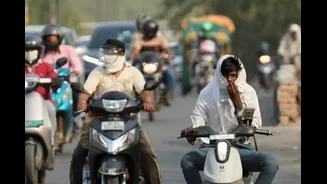
The Core Mandate: One Region, One Standard
The rule is straightforward: any vehicle, regardless of where it is registered, must have a valid and up-to-date Pollution Under Control (PUC) certificate that complies with Delhi's emission norms to ply on its roads. With the onset of winter and deteriorating
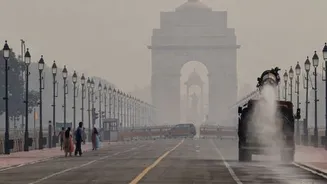
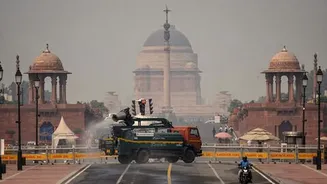
air quality, authorities in the National Capital Region (NCR) are no longer treating jurisdictional lines as a free pass. The Commission for Air Quality Management (CAQM) has directed a coordinated enforcement drive across the region. This means that a PUC certificate issued in another part of the NCR must still meet the emission limits set for vehicles in Delhi. The enforcement is particularly stringent as part of the Graded Response Action Plan (GRAP), which is activated as air quality worsens.
Why The Increased Scrutiny?
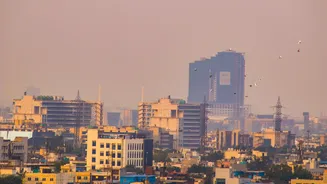
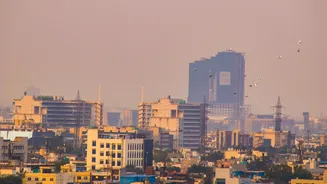
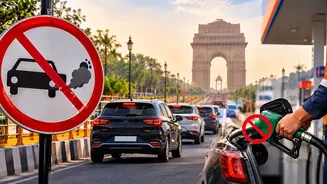
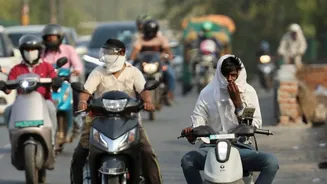
Vehicular emission is a primary contributor to the NCR's infamous winter air pollution. The logic behind the unified standard is to tackle the air quality crisis on a regional level, acknowledging that pollution doesn't respect state borders. Millions of vehicles cross into Delhi from satellite towns like Noida, Gurugram, Faridabad, and Ghaziabad every day. If these vehicles do not adhere to the same emission standards, Delhi's own efforts to curb pollution are significantly undermined. Recent announcements confirm that from November 1, authorities will be implementing a 'No PUC, No Fuel' policy at fuel stations across Delhi. This policy means vehicles without a valid certificate will be denied petrol, diesel, or CNG, making compliance non-negotiable for commuters.
Hefty Penalties for Non-Compliance
The consequences for ignoring this rule are significant. Under Section 190(2) of the Motor Vehicles Act, driving without a valid PUC certificate can attract a fine of ₹10,000. In some cases, it could also lead to imprisonment for up to three months or the suspension of your driver's license. With automated systems and increased manual checks, the chances of being caught have risen dramatically. Authorities are using technology like Automatic Number Plate Recognition (ANPR) cameras at fuel stations and major entry points to automatically flag non-compliant vehicles, making enforcement more efficient and widespread. The message is clear: compliance is not optional.
Special Rules for Older Vehicles
The winter action plan goes beyond just PUC certificates. From November 1, 2026, to January 31, 2027, vehicles registered outside Delhi that do not meet the Bharat Stage VI (BS-VI) emission norms will be barred from entering the city. This primarily affects older petrol and diesel cars, generally those sold before April 2020. Furthermore, under Stage III of GRAP, there are plying restrictions on BS-III petrol and BS-IV diesel four-wheelers in Delhi and the key NCR districts of Gurugram, Faridabad, Ghaziabad, and Gautam Buddh Nagar. If you own an older vehicle registered in an NCR town, you must verify its eligibility to enter Delhi during these months to avoid being turned away at the border.
How to Ensure You Are Compliant
Ensuring you are on the right side of the law is relatively simple. First, check your vehicle’s PUC certificate for its expiry date. A new vehicle needs its first test after one year, and subsequent tests are required as per regulations. These tests can be done at any authorised emission testing centre, which are commonly found at petrol pumps and service stations. The process is quick and inexpensive. Given the 'No PUC, No Fuel' rule, it's crucial to get your vehicle tested and certified before your certificate expires. Keep the physical or digital copy of the certificate in your vehicle at all times. For owners of older cars, check your vehicle's registration certificate to confirm its Bharat Stage (BS) emission norm to understand if the entry restrictions apply to you.