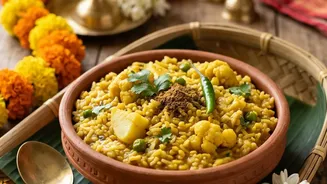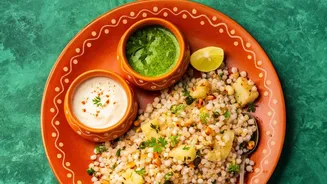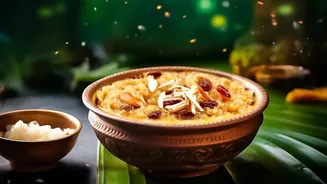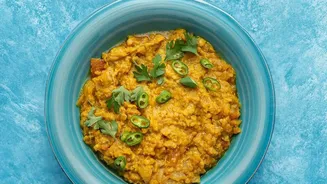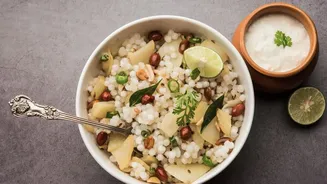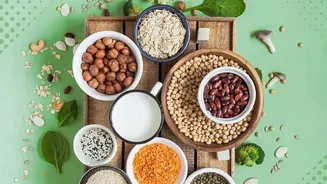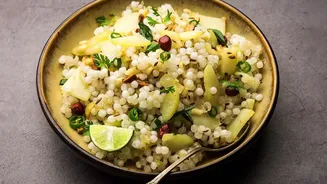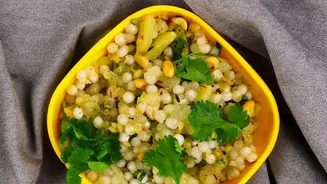


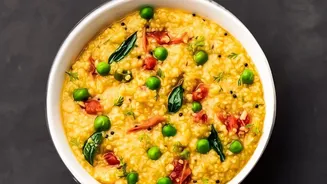
In the world of Indian comfort food, few dishes are as beloved and trusted as Dalia and Khichdi. Both are hailed as wholesome, easy on the stomach, and deeply nourishing. But when we put them head-to-head, how do they really stack up nutritionally?
Understanding the Contenders
First,
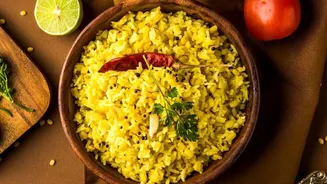
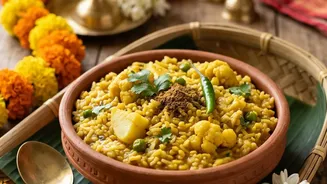
let's define our players. Dalia, or broken wheat, is made by coarsely grinding whole wheat kernels. Think of it as a less-processed cousin of suji (semolina), retaining much of the grain's natural fibre and nutrients. It's often prepared as a savoury porridge, sometimes with vegetables, or as a sweet dish with milk. Khichdi, on the other hand, is a versatile one-pot meal traditionally made from a combination of rice and lentils, most commonly moong dal. This pairing is a cornerstone of Ayurvedic cooking, celebrated for its easy digestibility and balanced nutrition.
The Calorie and Carbohydrate Count
When it comes to weight management, calories are often the first thing people look at. In their simplest forms, both Dalia and Khichdi are relatively low in calories. A 100g serving of cooked vegetable dalia can have as few as 99 calories, while a basic moong dal khichdi might contain around 120 calories for the same amount. The key difference lies in the type of carbohydrates. Dalia is made of complex carbohydrates from whole wheat, which break down slowly and provide a steady release of energy. This helps prevent the sudden blood sugar spikes that can be caused by refined grains like white rice, which is often used in khichdi.
The Fibre Factor
This is where Dalia often takes the lead. Being a whole grain, dalia is packed with dietary fibre. A 100g serving of uncooked dalia can contain around 12.5g of fibre. This high fibre content is excellent for digestive health, promoting regular bowel movements and feeding beneficial gut bacteria. It also plays a crucial role in satiety, helping you feel fuller for longer, which is a major advantage for weight management. While khichdi does contain fibre from lentils and any added vegetables, a version made with white rice will generally have a lower overall fibre content compared to a bowl of dalia.
The Protein Perspective
Protein is vital for muscle repair, energy, and overall body function. Here, the story gets more interesting. Uncooked dalia has a respectable protein content, around 12g per 100g. However, as a wheat product, it doesn't contain all the essential amino acids. Khichdi, with its classic combination of rice and lentils, creates what is known as a 'complete protein'. The amino acids that are lacking in rice are present in lentils, and vice versa. This synergistic combination makes a simple bowl of dal-khichdi a surprisingly high-quality plant-based protein source, with a serving of moong dal khichdi providing around 8–10g of protein.
Glycemic Index and Blood Sugar
The Glycemic Index (GI) measures how quickly a food raises blood sugar levels. Dalia consistently scores low on the GI scale, with a value often cited around 41–48, making it an excellent choice for individuals managing diabetes. The GI of khichdi can vary widely depending on the ingredients. Khichdi made with basmati rice and moong dal generally has a low–to–medium GI, but using short–grain white rice can increase it. However, the presence of dal and vegetables helps to lower the overall glycemic response of the meal.
The Verdict: It's All in the Preparation
Declaring a single winner is difficult because the nutritional value of both dishes depends heavily on how they are prepared. A simple dalia porridge is a fibre–rich, low–GI meal. But a dalia khichdi, made with moong dal and plenty of vegetables, combines the benefits of both worlds: high fibre from wheat and a more complete protein profile from the lentils. Similarly, a plain white rice khichdi is simple and easy to digest, but a khichdi made with brown rice or millets and loaded with vegetables becomes a nutrient–dense powerhouse. Adding a spoonful of ghee to either dish not only enhances flavour but also adds healthy fats that aid in the absorption of fat–soluble vitamins.