






Rajasthan's New Tiger Corridor
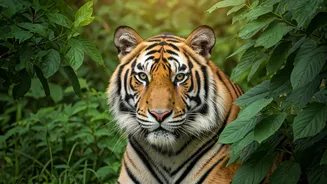
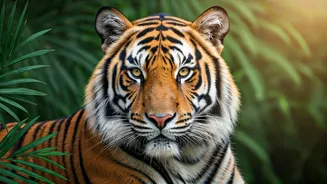
Rajasthan has significantly expanded its conservation footprint with the declaration of two new tiger reserves, creating a robust corridor for its famed big cats. The Dholpur-Karauli Tiger Reserve was established in 2023 as India's 54th tiger reserve.
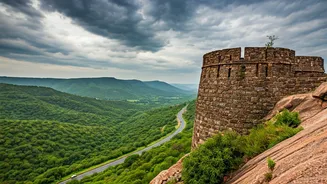
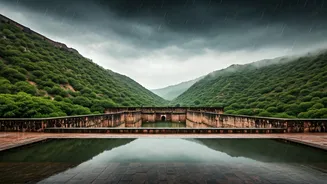
This area, characterized by rugged hills and dry deciduous forests of the Vindhyan range, provides a crucial ecological link to the well-known Ranthambore Tiger Reserve. This new protection status not only secures a habitat for tigers but also for a host of other animals like leopards, sloth bears, and a variety of resident and migratory birds. For visitors, it offers a chance to explore a less-trodden path in India's tiger heartland, located conveniently between major tourist hubs like Agra and Jaipur.
The Strategic Ramgarh Vishdhari
Also in Rajasthan, the Ramgarh Vishdhari Tiger Reserve was declared in 2022, becoming the country's 52nd such reserve. Spanning over 1,500 square kilometers, its primary significance lies in its strategic position, acting as a natural buffer and corridor connecting Ranthambore Tiger Reserve with Mukundra Hills Tiger Reserve. This connection is vital for the genetic health and dispersal of the tiger population. The landscape is a mix of hilly terrain and dry deciduous forests dominated by Dhok trees. While tigers are making a comeback in the area, visitors can also spot leopards, sloth bears, striped hyenas, and an abundance of birdlife. Its proximity to the historical town of Bundi adds a cultural layer to any wildlife trip.
Bundelkhand's Ranipur Reserve
In Uttar Pradesh, the Ranipur Tiger Reserve was notified in 2022, becoming the state's fourth tiger reserve and a landmark for the Bundelkhand region. Situated in the Chitrakoot district, this reserve provides a vital link for tigers dispersing from the Panna Tiger Reserve in neighbouring Madhya Pradesh. Its establishment marks a concerted effort to secure a safe passage and habitat for tigers in this part of the country. The sanctuary, first established in 1977, is home to a diverse range of fauna beyond the tiger, including leopards, blackbucks, sambar, and sloth bears, set against a backdrop of tropical dry deciduous forests, bamboo, and rocky outcrops. The government is actively developing the area for eco-tourism, promising improved visitor facilities in the near future.
Beyond the Tiger Reserves
The expansion of protected areas isn't limited to just tiger habitats. In Madhya Pradesh, the Dr. Bhimrao Ambedkar Wildlife Sanctuary was recently declared in the Sagar district. This new sanctuary aims to bolster broader conservation efforts, protect diverse wildlife, and generate local livelihood through eco-tourism. Furthermore, exciting proposals are in the pipeline across the country. In Tamil Nadu, for instance, a recent proposal aims to declare two unique 'theri' (redsand desert) forests in the Thoothukudi district as a new wildlife sanctuary. This move is intended to protect the rare landscape and its unique species, including the Madras Hedgehog, showcasing a commitment to preserving all facets of India's incredible biodiversity.