





More Than Just a Cooldown
When you pull food from a hot oven or fryer, the cooking process isn't truly over. The period immediately following is a critical phase of transformation where temperature, moisture, and structure are still in flux. For baked goods, this involves the setting
of starches, while for fried foods, it's a race to preserve a crispy crust before it steams itself into softness. How you manage this cooling process—fast or slow, covered or open to the air—directly influences whether you lock in that desirable crunch, chew, or fluffiness. It's an active step where heat and moisture transfer continue to define the final texture of your creation.
The Science of Staling in Baked Goods
For baked goods like bread and cakes, the magic is in the starch. During baking, starch granules absorb water and swell up in a process called gelatinization, which sets the soft, tender crumb. As the item cools, the reverse happens in a process known as starch retrogradation. The starch molecules begin to realign and crystallize, squeezing out the water they once held. If this happens too quickly (like in a refrigerator), the process accelerates, leading to a firm, dry, and stale texture. Proper cooling at room temperature allows this process to happen gradually, setting the crumb structure perfectly without it becoming tough. This is why you should never cut into a loaf of bread straight from the oven; it needs time to cool and for the internal structure to stabilize.
The Battle for Crispiness in Fried Foods
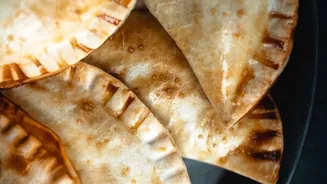
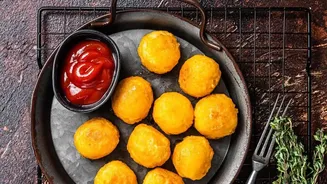
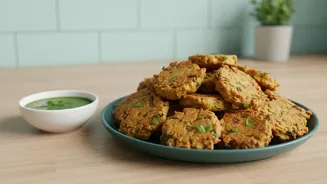
With fried foods, the enemy of crispiness is moisture. The goal of frying is to rapidly dehydrate the surface, creating a rigid, porous crust while the inside stays tender. However, once removed from the hot oil, that internal moisture immediately begins to migrate outwards, from the steamy interior to the dry exterior. If you place freshly fried items in a closed container, the trapped steam will condense into water and turn that perfect crunch into a soggy disappointment. Furthermore, as the food cools, the internal pressure drops, creating a slight vacuum that can suck surface oil into the crust, making it feel dense and greasy. A fast, open-air cooling process is therefore essential.
How to Cool Baked Goods Correctly
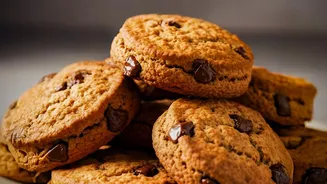
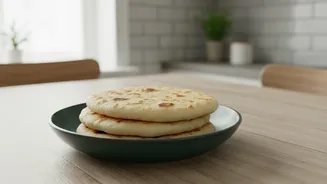
Patience is a virtue, especially with baked goods. For most cakes and breads, the best method is to let them cool briefly in the pan for about 10-15 minutes before turning them out onto a wire rack. The wire rack is non-negotiable; it allows air to circulate around the entire surface, including the bottom, ensuring even cooling and preventing the bottom from becoming soggy. Avoid the temptation to put bread or cake in the fridge to speed things up, as the cold temperature accelerates staling. For long-term storage, freezing is a much better option, as it halts the retrogradation process almost completely. Once fully cooled to room temperature, you can then wrap your baked goods for storage.
Tricks for Maintaining the Perfect Crunch
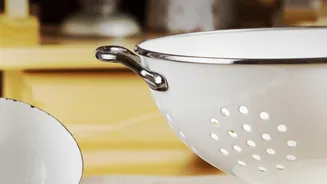
To keep fried foods crispy, you must let steam escape as quickly as possible. Never pile freshly fried foods on top of each other on a plate. Instead, spread them in a single layer on a wire rack set over a baking sheet. This allows air to circulate and prevents the items from steaming themselves. Just as with baked goods, the wire rack is your best friend. Do not cover fried foods while they are still warm. If you need to hold them before serving, place them on a rack in a warm oven (around 200°F or 95°C), which will keep them hot while allowing moisture to continue escaping. Most oil absorption actually happens during the cooling phase, so allowing them to drain properly on a rack can also help reduce greasiness.