


The Rise of the 30-Minute Meal
The demand for quick, healthy meals is not just a passing phase; it's a lifestyle shift. The post-pandemic era saw a surge in home cooking, as people became more health-conscious and sought alternatives to dining out. This, combined with the power of
social media, has created a perfect storm for the 30-minute meal. Food bloggers and influencers on platforms like Instagram and YouTube are now catering to busy professionals and families who want nutritious food without the fuss. They share visually appealing, easy-to-follow recipes that prove healthy eating can fit into even the most hectic schedules. This digital revolution in home cooking has made accessible, quick, and healthy recipes a mainstream phenomenon, from paneer stir-fries to one-pot dals.
Anatomy of a Speedy, Healthy Dish
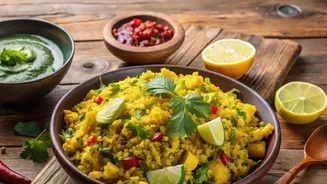
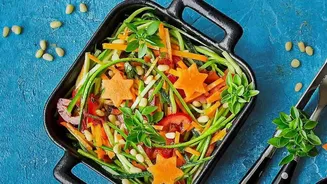
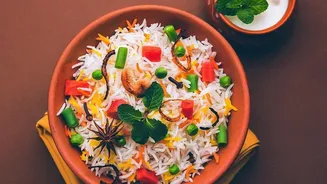
So, what’s the secret to getting a delicious and healthy meal on the table in 30 minutes or less? It comes down to a few core principles. First is the concept of one-pot or one-pan cooking, which minimises both preparation and cleaning time. Dishes like khichdi, a wholesome mix of rice and lentils, are a prime example of a balanced one-pot meal that is both quick and nourishing. Second is the cooking method itself. Techniques like stir-frying, pressure cooking, and air frying are champions of speed. A quick dal tadka using fast-cooking lentils like masoor or moong can be ready in under 15 minutes. Finally, using quick-cooking ingredients is key. Think paneer, eggs, fish fillets, pre-chopped vegetables, and quick-cooking grains like quinoa or couscous.
Your Kitchen’s Time-Saving Toolkit
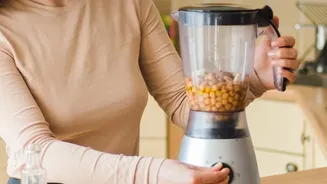
The right tools can drastically cut down your cooking time. The electric pressure cooker, often known by the brand name Instant Pot, has been a game-changer for many Indian kitchens. It can cook dals, curries, and rice in a fraction of the traditional time. Air fryers are another popular gadget, celebrated for their ability to make food crispy and delicious with less oil and in less time than an oven. Beyond big appliances, even simple tools make a difference. A good quality, sharp chef's knife makes chopping vegetables faster and safer. A high-powered blender is not just for smoothies; it can whip up soups, sauces, and batters in minutes. Having these items on hand turns cooking from a chore into a quick, efficient process.
The Power of Planning and Prepping
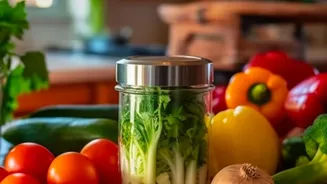
The fastest meals often start hours or even days before you cook. Meal prepping, a concept that has been part of Indian kitchens for generations, is now being refined for modern life. Spending a couple of hours on a Sunday can set you up for a week of quick meals. This can involve batch-cooking a basic onion-tomato curry paste that can be used for various dishes, or boiling a batch of chickpeas or rajma. Even simpler prep like chopping vegetables (onions, carrots, capsicum) and storing them in airtight containers can save precious minutes on a busy weeknight. Creating a weekly menu not only reduces daily decision fatigue but also ensures your grocery shopping is efficient, making sure you have all the staples you need for your quick-fix meals.