


Visby: The Hanseatic Jewel
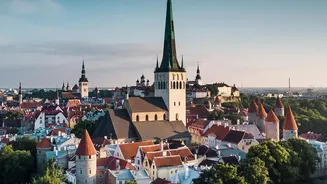
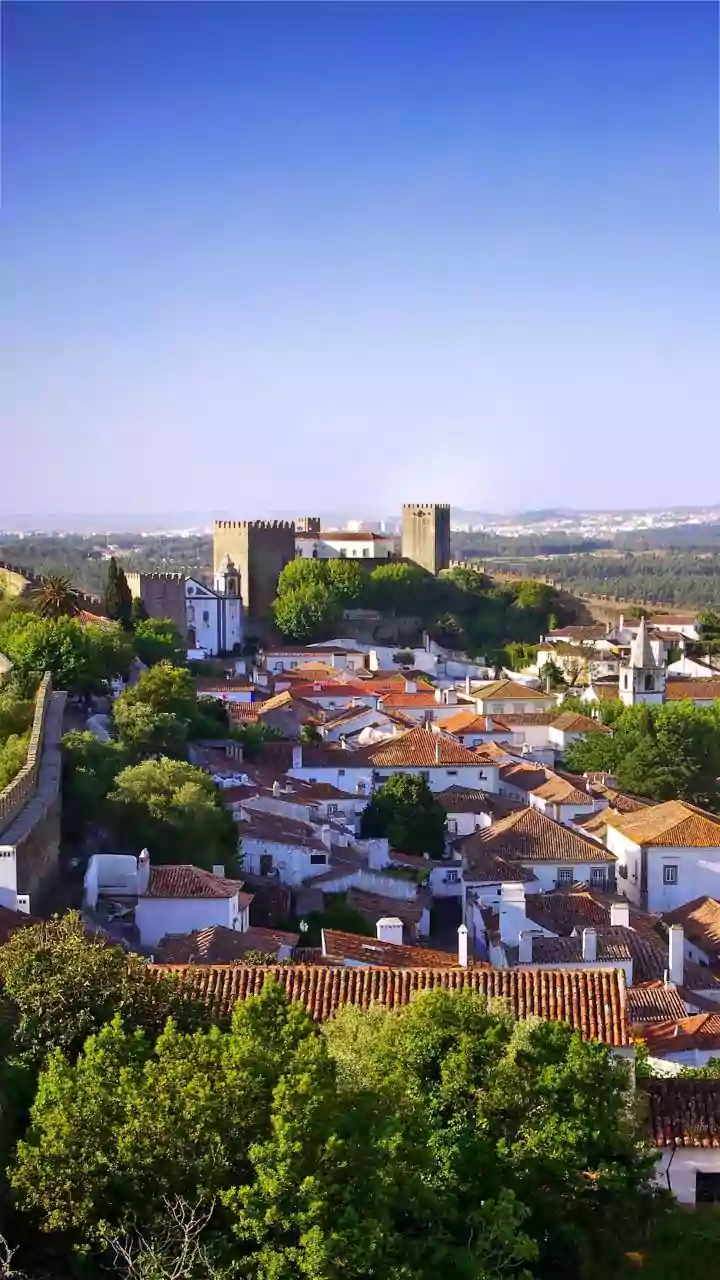
Located on the island of Gotland, Visby is arguably Scandinavia's best-preserved medieval city and a UNESCO World Heritage site. Walking its cobblestone streets is like stepping into a storybook. The city is encircled by a formidable 3.4-kilometre stone wall,
complete with dramatic towers, built in the 13th century to protect its immense wealth. Visby was a central hub of the Hanseatic League, a powerful medieval commercial and defensive confederation of merchant guilds and market towns in Northern Europe. This history provides crucial context for Scandinavia's long-standing tradition of trade, internationalism, and maritime culture. Today, you can explore dozens of church ruins, which stand as romantic, rose-covered monuments to a bygone era, and visit the Gotland Museum to see treasures from the Viking Age. The city's past as a bustling trade centre explains the region's historical outward-looking perspective, a trait that continues to define Scandinavian societies.
Sigtuna: Sweden’s First Town
For a journey to the very beginning of urban life in Sweden, Sigtuna is an essential stop. Founded around 980 AD, it is considered the nation's first town. Situated on the shores of Lake Mälaren, Sigtuna was the centre of power during the transition from the Viking Age to the Christian medieval era. This is where Sweden's first coins were minted, and the town's main street, Stora Gatan, still follows the same path it did over a thousand years ago. Visitors can see a fascinating collection of runestones scattered throughout the town, which serve as stone chronicles of the Viking era. The ruins of several early stone churches, such as St. Peter's and St. Olaf's, illustrate the momentous shift from Norse paganism to Christianity. Sigtuna's story of rising to prominence and then yielding to newer cities like Stockholm and Uppsala provides insight into the dynamic evolution of power and commerce that shaped the nation.
Lund: A Centre of Learning and Faith
In the southern province of Skåne, Lund offers a different flavour of medieval life, one centred on religion and academia. Founded around 990 as a Danish city, its street plan still follows the medieval pattern. The city's skyline is dominated by the magnificent Lund Cathedral, a masterpiece of Romanesque architecture consecrated in 1145. Its imposing twin towers and ancient crypt tell a story of religious authority that once spanned across Scandinavia. Lund also became a great centre of learning, with its university, founded in 1666, having roots that trace back to a medieval cathedral school. Walking through the historic university buildings and the open-air museum 'Kulturen', with its relocated historic houses, you can feel the blend of intellectual curiosity and deep-rooted tradition that characterizes much of Scandinavian culture. Lund shows how faith and knowledge have been intertwined pillars of society for centuries.
Ystad: Half-Timbered Charm and Coastal Life
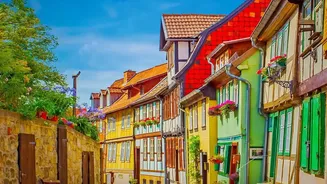
While perhaps best known internationally as the setting for the 'Wallander' crime novels, Ystad is a stunning medieval port town in its own right. Its streets are lined with hundreds of pastel-coloured, half-timbered houses, creating a picturesque atmosphere that feels wonderfully preserved. The town's history was shaped by its coastal location and its period under Danish rule, which influenced its architecture. Key medieval sites include the 13th-century Franciscan monastery and St. Mary's Church (Sankta Maria Kyrka). Exploring Ystad provides context for the historical importance of the Baltic Sea coast for trade, fishing, and cultural exchange. It’s a perfect example of a smaller medieval market town and demonstrates how daily life, rather than just grand politics, has shaped the cultural fabric of southern Scandinavia. The blend of medieval structures with a vibrant modern town life makes it a truly charming visit.