


Understanding the Monsoon's Intensity
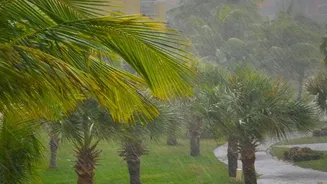
The India Meteorological Department (IMD) has forecast an active to vigorous monsoon spell for early August, with widespread rain across many parts of the country. Regions in North, Central, and South India are expected to receive substantial rainfall,
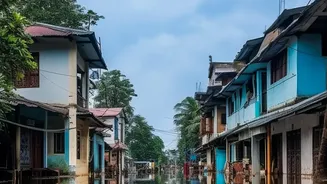
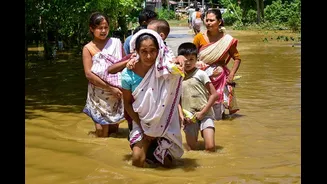
with isolated heavy to very heavy spells predicted for states like Uttarakhand, Maharashtra (especially the Konkan coast), Goa, Kerala, and Karnataka. This heightened activity increases the risk of waterlogging, flash floods, and landslides, making travel unpredictable and potentially hazardous. The monsoon trough's current position, along with several cyclonic circulations, is fueling this intense weather pattern.
High-Risk Zones and Major Disruptions
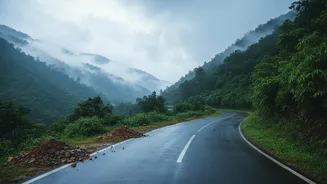
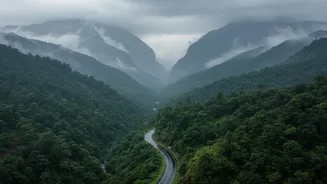
Certain regions are particularly vulnerable during this period. The Himalayan states of Himachal Pradesh and Uttarakhand have seen significant disruptions, with scores of roads blocked by landslides. In Himachal, districts like Mandi, Kullu, and Sirmaur have reported numerous road closures, though National Highways have largely remained open. In the west, Maharashtra's ghat sections are a major concern. Malshej Ghat on National Highway 61 was recently closed indefinitely due to severe road damage, forcing authorities to recommend alternative routes. Commuters heading towards Kalyan from the Ahmednagar side are advised to travel via Alephata–Rajgurunagar–Chakan or through Sangamner and Nashik. Similar advisories are common for popular routes like the Mumbai-Pune expressway during intense downpours.
Your Pre-Travel Safety Checklist
Before you even think of starting your journey, a thorough check is non-negotiable. First, consult the latest weather forecasts from the IMD and check real-time traffic updates using reliable apps. State emergency operation centers often provide updates on road closures. Next, prepare your vehicle. Ensure your tires have adequate tread, your wipers are functioning perfectly, and your headlights and brakes are in top condition. Pack an emergency kit containing a first-aid box, a powerful torch, a power bank for your phone, dry snacks, and bottled water. Waterproofing your luggage and electronic gadgets is also a wise move to avoid damage.
Navigating Alternative Routes
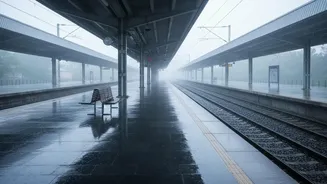
When your primary route is compromised, having a Plan B is crucial. For travel between Delhi and northern states like Uttarakhand, recent advisories have suggested using alternative expressways to bypass blocked highways like NH-34. For those travelling in the Western Ghats, the closure of Malshej Ghat has led to traffic being diverted via the Naneghat or Kasara ghat routes. However, be aware that even alternative routes, especially in hilly areas, can be susceptible to landslides. In some cases, opting for public transport like trains might be a safer and more reliable option than driving. Always verify the condition of any alternate route before committing to it, as temporary fixes can sometimes be washed away by subsequent rains.
On-the-Road Monsoon Driving Rules
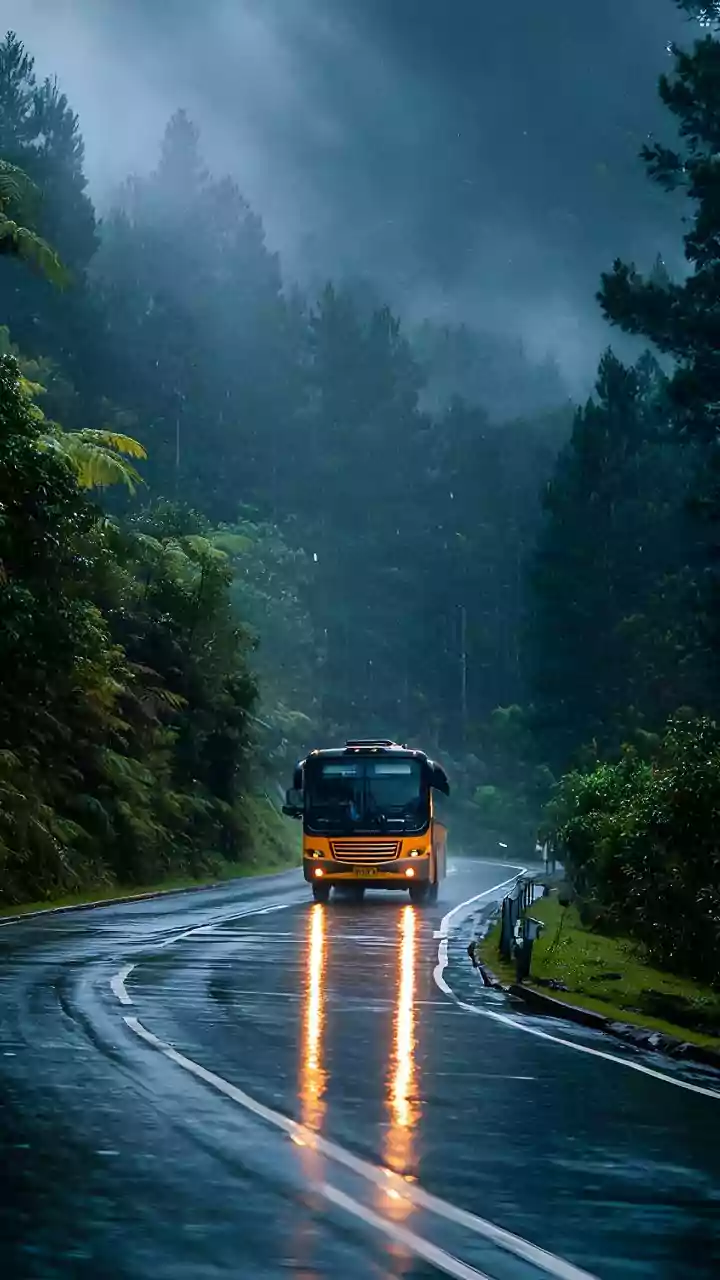
If you must drive, do so with extreme caution. Reduce your speed significantly on wet roads to prevent skidding. Avoid driving through flooded areas, as it is difficult to gauge the water's depth and you risk stalling your vehicle. Maintain a safe distance from the vehicle in front of you, as braking distances are longer on wet surfaces. Use your headlights in heavy rain for better visibility. Be particularly wary of hilly terrain, where the risk of landslides is highest. Finally, be patient. Delays are almost inevitable during the monsoon, so it's better to arrive late than to take unnecessary risks.
Health and Hygiene on the Go
Monsoon travel isn't just about navigating tricky roads; it's also about staying healthy. The risk of water and food-borne illnesses increases during this season. Always drink bottled or purified water and be cautious about street food. Opt for freshly cooked, hot meals over pre-prepared or raw items. Carry mosquito repellent, as stagnant water becomes a breeding ground for diseases like dengue and malaria. It's also a good idea to pack basic medicines for common ailments like colds and stomach upsets.